Austwell, Texas · 38 miles from Rockport
Aransas National Wildlife Refuge
115,000 acres of Texas Gulf Coast wilderness. The only wintering ground of the world’s last wild flock of Whooping Cranes. And a federal website that buries everything you actually need to know before you go.
Read This Before You Drive Out There
Getting There from Rockport
The refuge entrance is at 1 Wildlife Circle, Austwell, TX 77950. It’s a straightforward drive but the final turns are easy to miss — especially since you’ll have no GPS signal once you’re close. Set your navigation before you leave town.
Pro tip: the Visitor Center staff know exactly where cranes were spotted that morning. Stop in before you drive the loop.
The Auto Loop — 16 Miles Through the Refuge
The centerpiece of any refuge visit is the 16-mile paved auto loop. A regular car handles it fine — no four-wheel drive needed. You can drive it straight through in about 45 minutes, but plan on 2–3 hours if you stop at the pullouts and trails along the way. Most people don’t stop enough and regret it.
The loop passes through every habitat type on the refuge: live oak mottes, freshwater ponds, coastal prairie, and tidal flats with wide views of San Antonio Bay. Wildlife is present at every stop — the question is just whether you’re patient enough to find it.
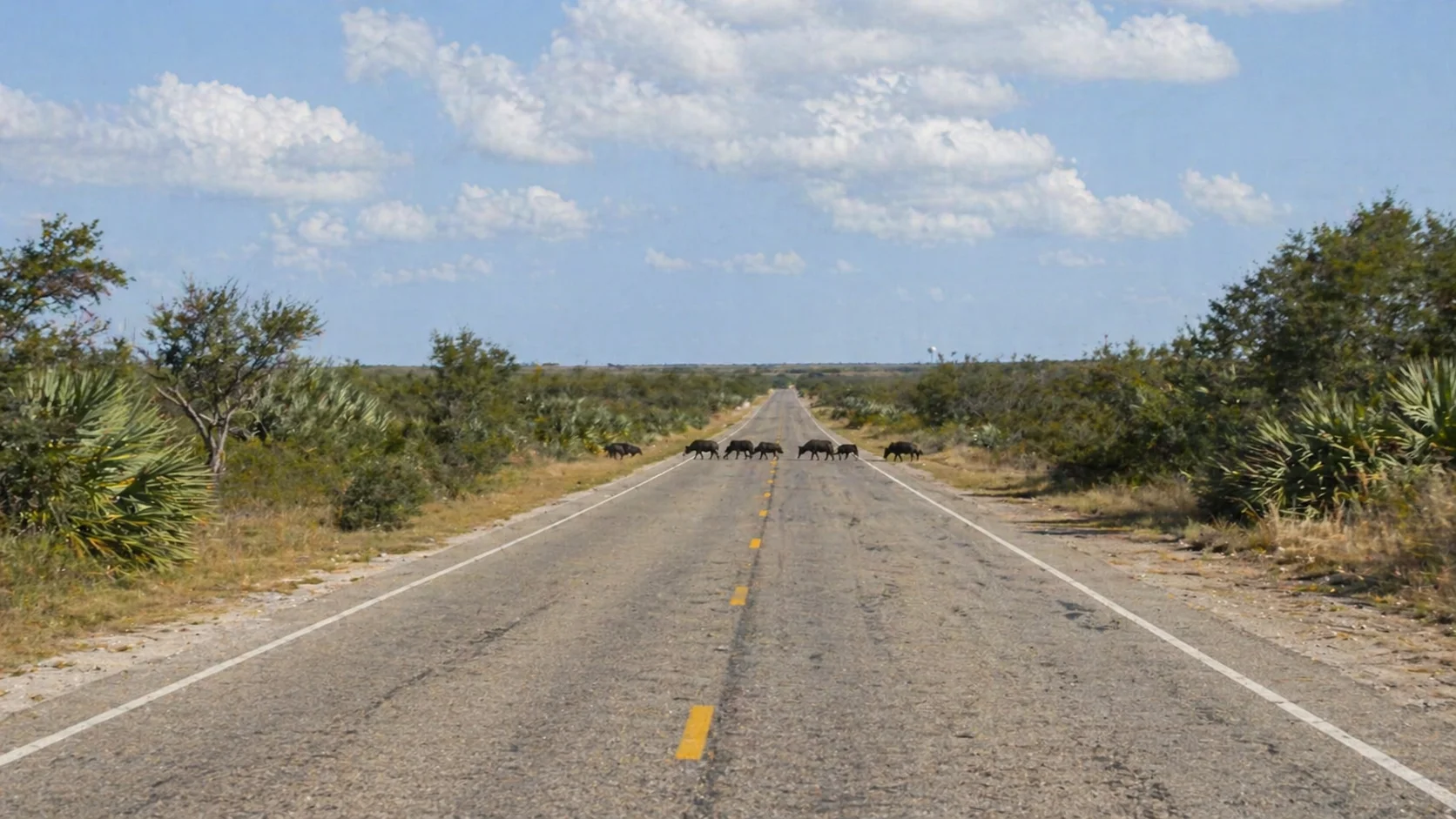
The auto loop — open coastal prairie scrub, flat horizon, and wildlife that crosses without warning. Feral hog sightings are common.
Best Spots for Wildlife — Ranked
The single best spot on the refuge for whooping crane viewing — better than the tower. The trail follows the edge of the bay flats where cranes feed in winter. You're at ground level looking across the water, which gives you a more intimate view than the elevated tower perspective. Easy walk, flat terrain.
The tower gives you the widest panoramic view of San Antonio Bay and the surrounding marsh. Spotting scopes are provided. On a clear winter morning you can see cranes, spoonbills, and shorebirds spread across the bay flats. Good for scanning large areas — Heron Flats Trail is better for close views.
The most reliable alligator spot on the refuge. Multiple gators are almost always visible from the viewing platform. Year-round access — alligators don't migrate. Keep pets away from the water's edge and don't approach the animals.
Mixed habitat trail that passes through live oak mottes and open grassland. Good for resident songbirds, deer, and the occasional javelina. One of the more varied habitat experiences on the refuge.
Woodland trail through coastal live oaks. Great for migrant songbirds in spring and fall. Wrens, vireos, warblers during migration. Resident cardinals, Carolina Wrens, and Rufous-crowned Sparrows year-round.
Bay access point with good views of wading birds and waterfowl on the water. Named for the yucca plants (dagger plants) that grow along the trail. Worth a stop at the end of the loop.
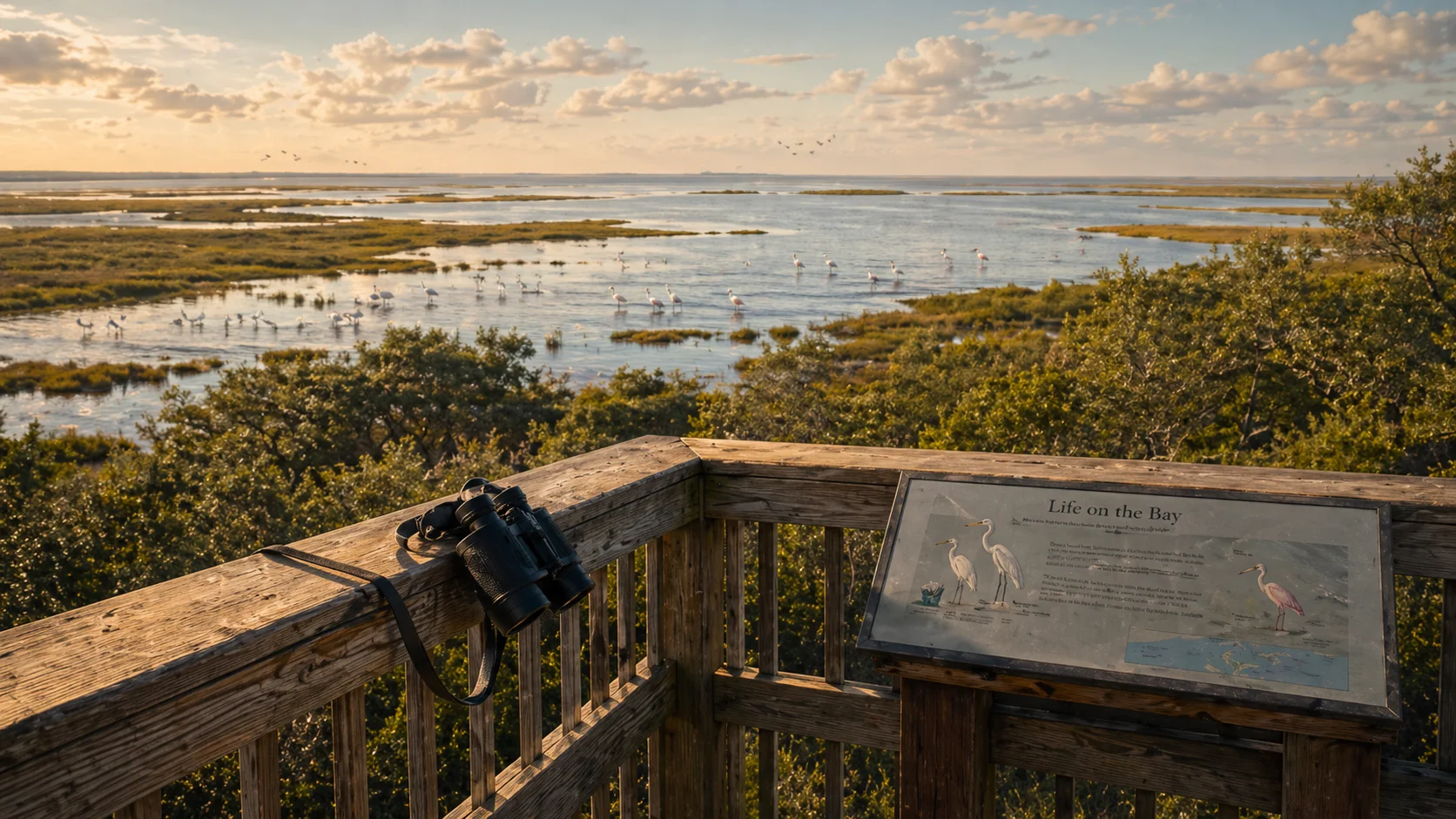
The 40-foot observation tower at the end of the auto loop — spotting scopes provided, wide views of San Antonio Bay
Whooping Crane Season — What to Expect
The Aransas-Wood Buffalo flock — the only self-sustaining wild flock of Whooping Cranes on earth — arrives at the refuge in October and stays through April. There are currently 560+ birds. This is the entire wild population wintering in one place. Nothing else in North American birding compares.
Peak viewing is December through February. The cranes spread across the refuge’s tidal flats feeding on blue crabs and wolfberries. From the observation tower, you are looking across open bay water — the cranes can be a mile or more away. You will see them. With a scope you will see them clearly. But this is not an up-close experience. It is a wide-scale, landscape-scale experience of one of North America’s great conservation stories.
Want Cranes Up Close?
Lamar Beach Road — 7 miles north of Rockport — is where whooping cranes actually walk across the road. It’s free, ungated, and 38 miles closer than this refuge. Most visitors have never heard of it. It is not in any tourism brochure. If you want eye-level crane encounters, go there first.
Lamar Beach Road guide →Realistic expectations at the refuge:
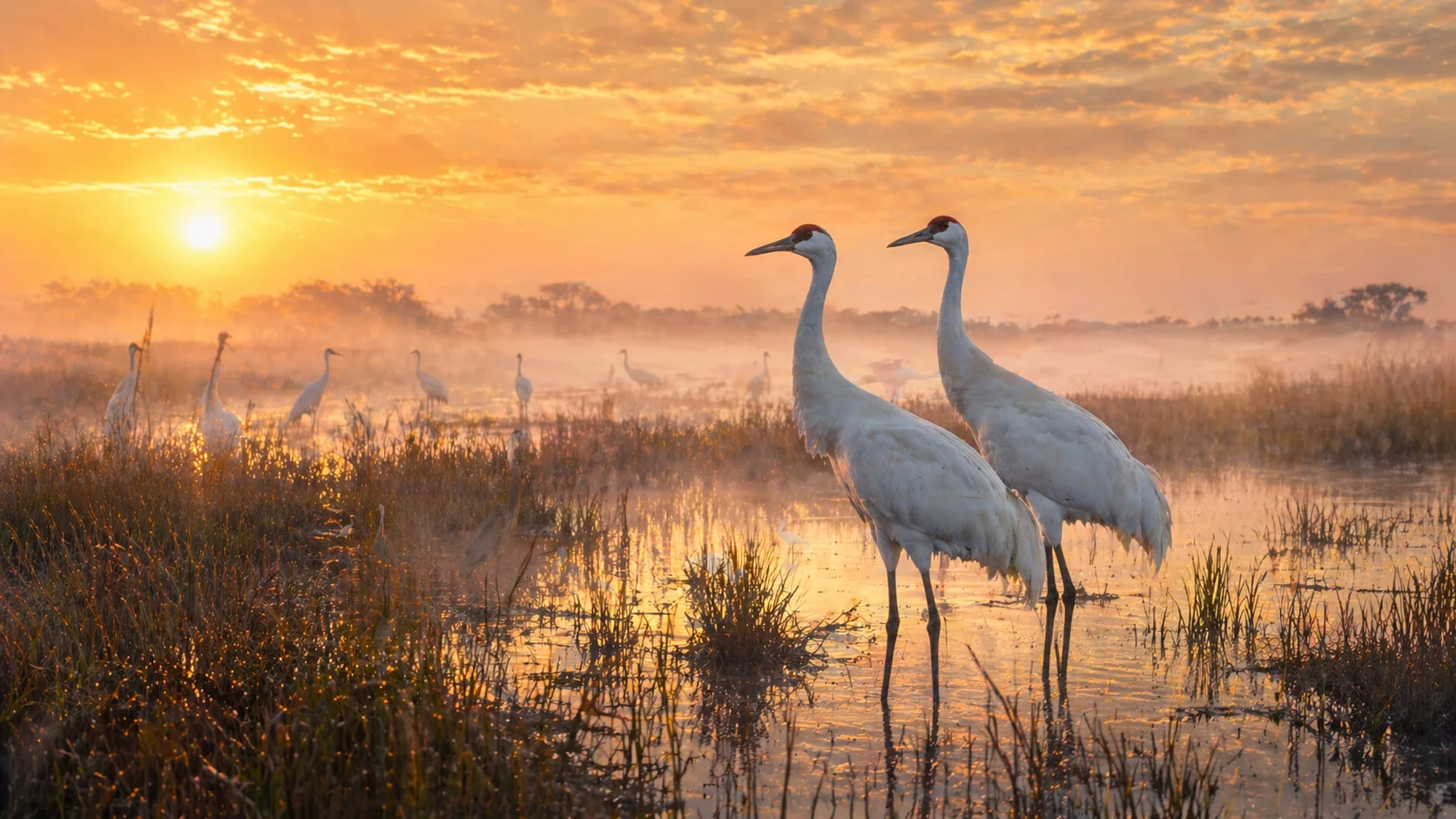
Whooping Cranes at dawn on the refuge marsh — the world’s entire wild flock winters here, October through April
What Else You’ll See
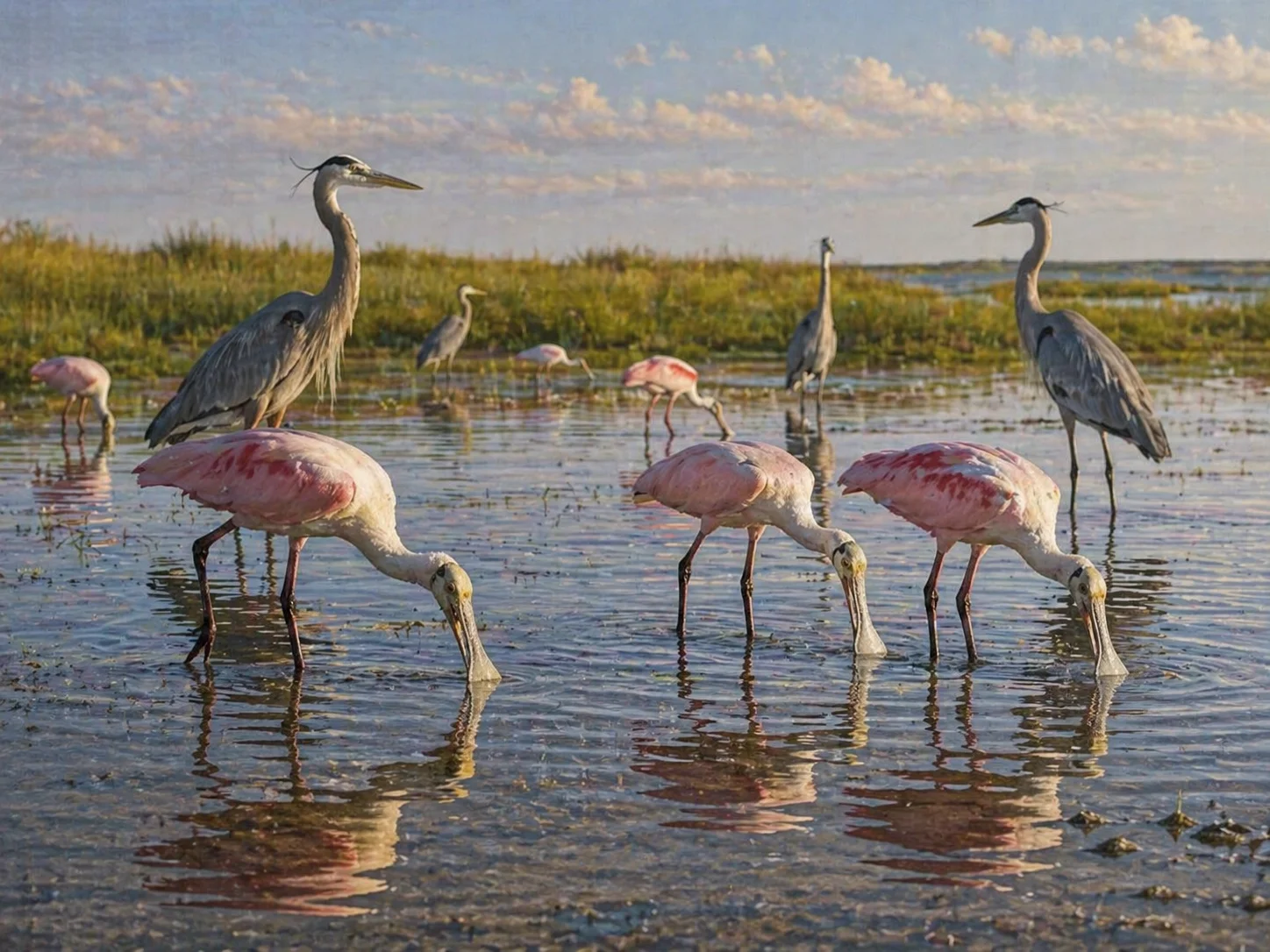
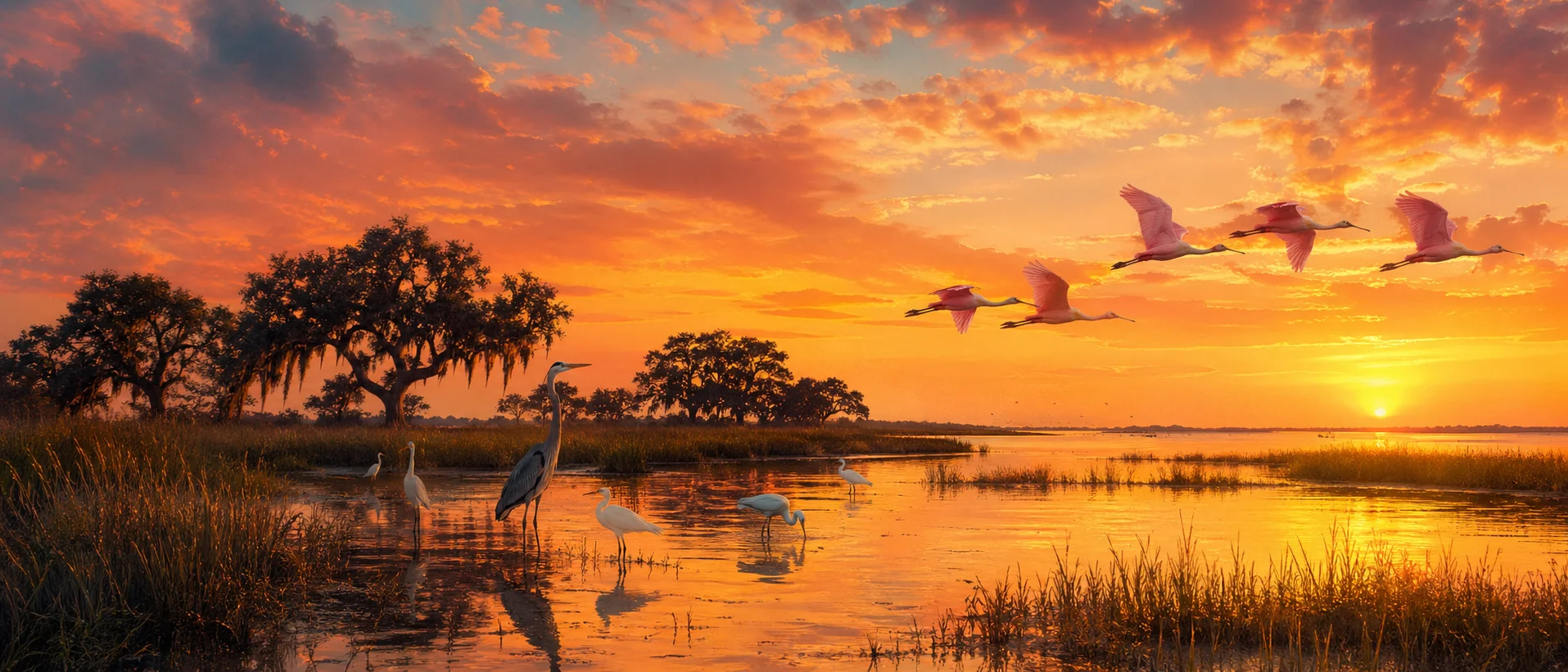
Roseate Spoonbills and Great Blue Herons on the tidal flats — year-round residents on the refuge
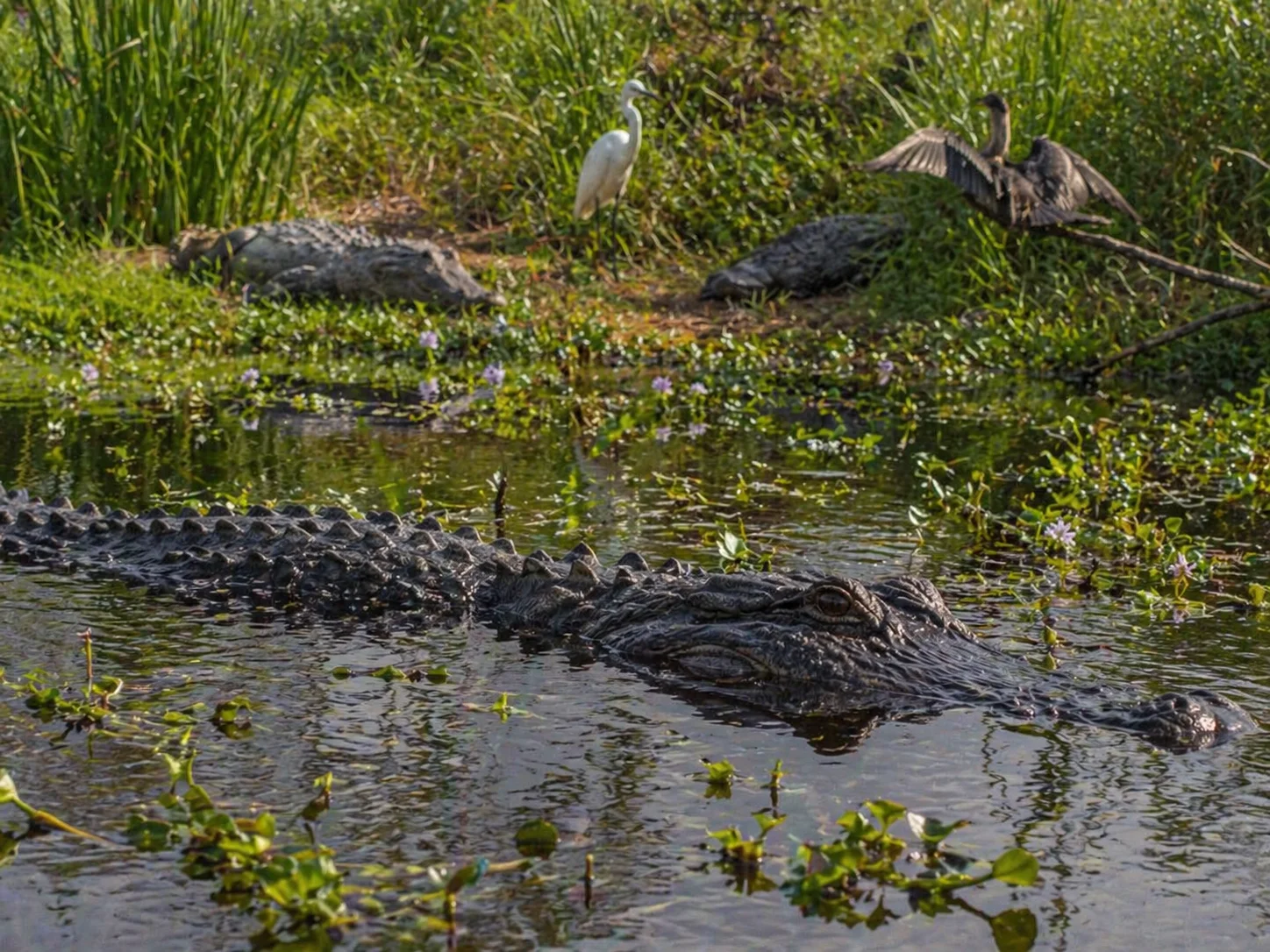
Alligators are reliable at the designated viewing area year-round — keep pets away from the water’s edge
⚠️ Drive Carefully After Dark
The roads between the refuge and Rockport — especially FM-774 and the TX-35 corridor through Lamar — have some of the highest wildlife crossing volume on the Texas coast. Deer, feral hogs, and armadillos move at dusk and after dark. Cell service is essentially zero from FM-774 all the way back to Lamar. Let someone know your plans before you go, don’t speed on the return drive, and watch the shoulders. This is genuinely remote Texas — plan accordingly.
Before You Drive Out There — Pack This
No stores near the refuge. Load up before you leave Rockport.
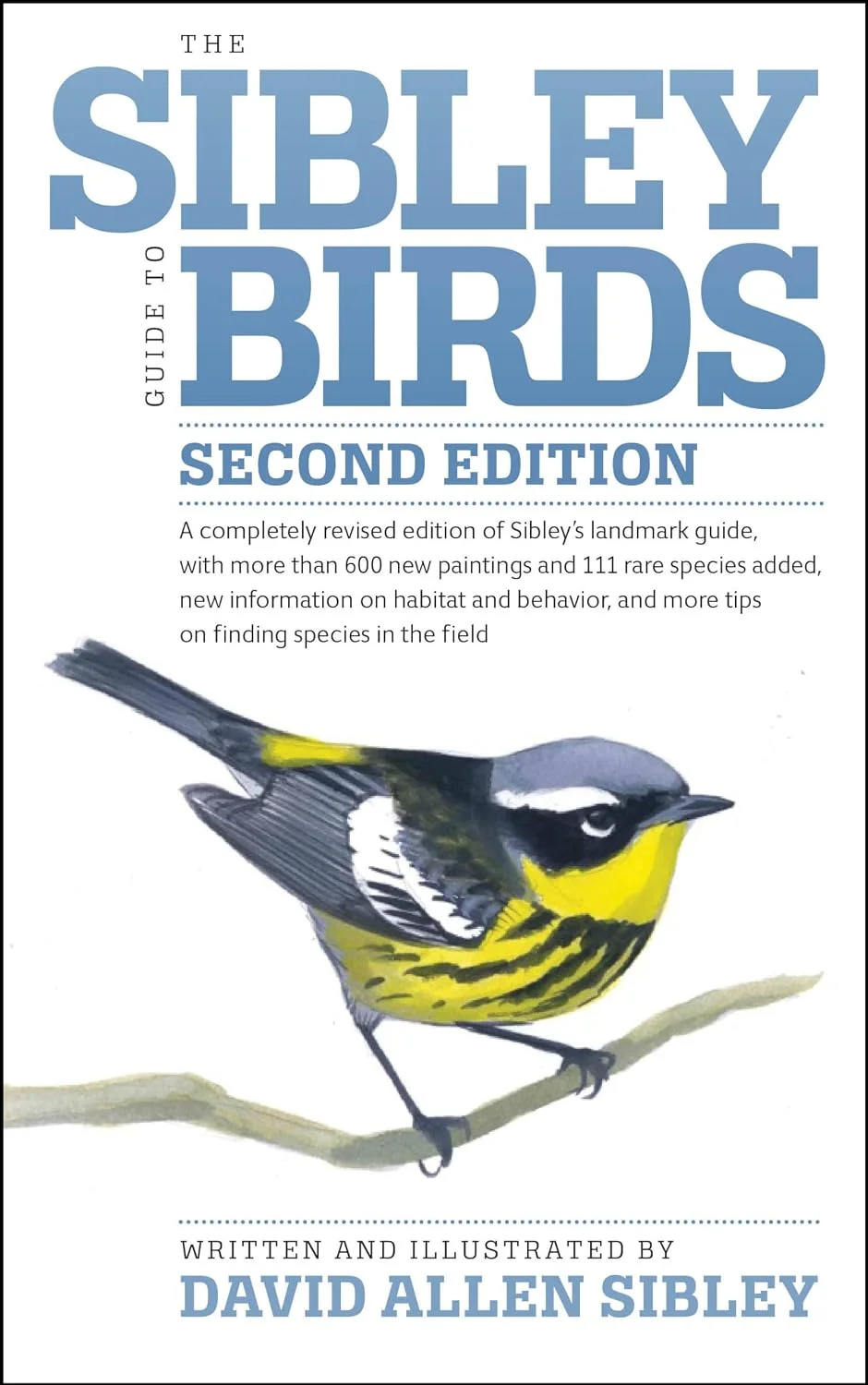
Sibley Guide to Birds, 2nd Ed.
The field guide serious birders carry — 6,000+ illustrations, all North American species
~$21
Shop →

Sawyer Picaridin Spray
DEET-free — safe for optics, polycarbonate sunglasses, and rubber. DEET destroys them.
~$11
Shop →
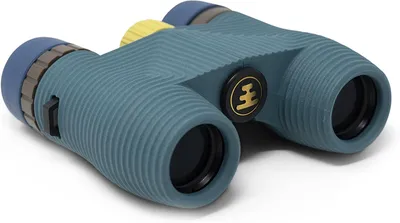
Nocs Standard Issue 10x25 Binoculars
Compact, waterproof, and built for the field — the single most useful thing you can bring to the festival
~$90
Shop →
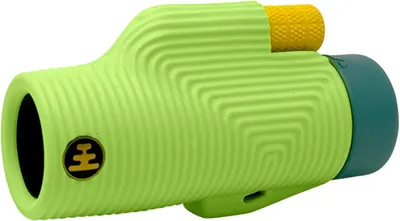
Nocs Zoom Tube 8x32 Monocular
One-eye, pocket-sized alternative to binoculars — lighter to carry all four festival days
~$80
Shop →
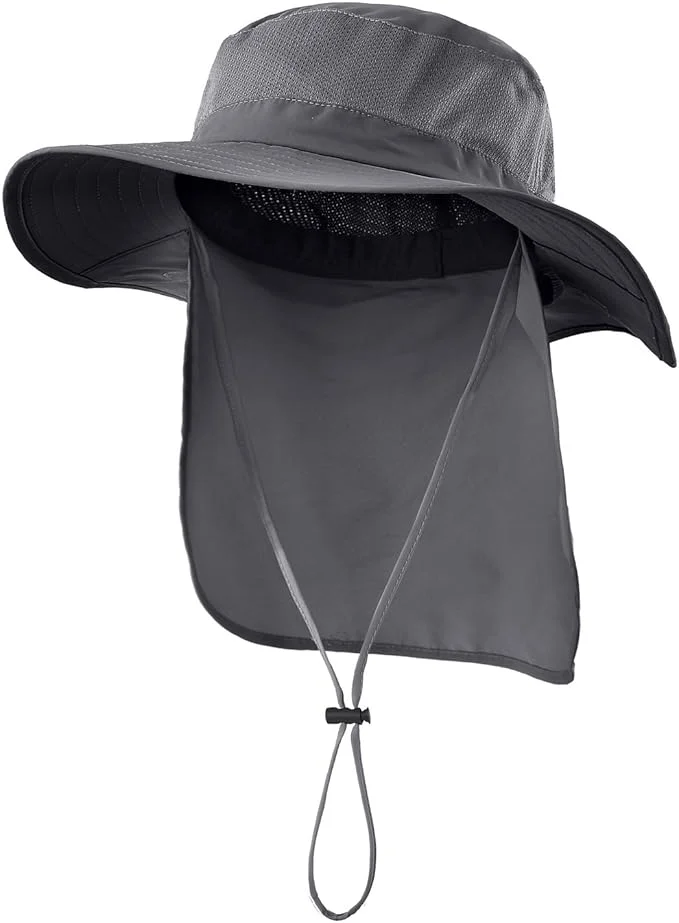
UPF 50+ Wide-Brim Sun Hat
Texas coast sun is relentless year-round — wide brim is not optional on the bay flats
~$17
Shop →

Earth Pak Waterproof Dry Bag 10L
For boat tours and kayak trips — keeps camera, phone, and binoculars dry on Aransas Bay
~$21
Shop →
As an Amazon Associate we earn from qualifying purchases.
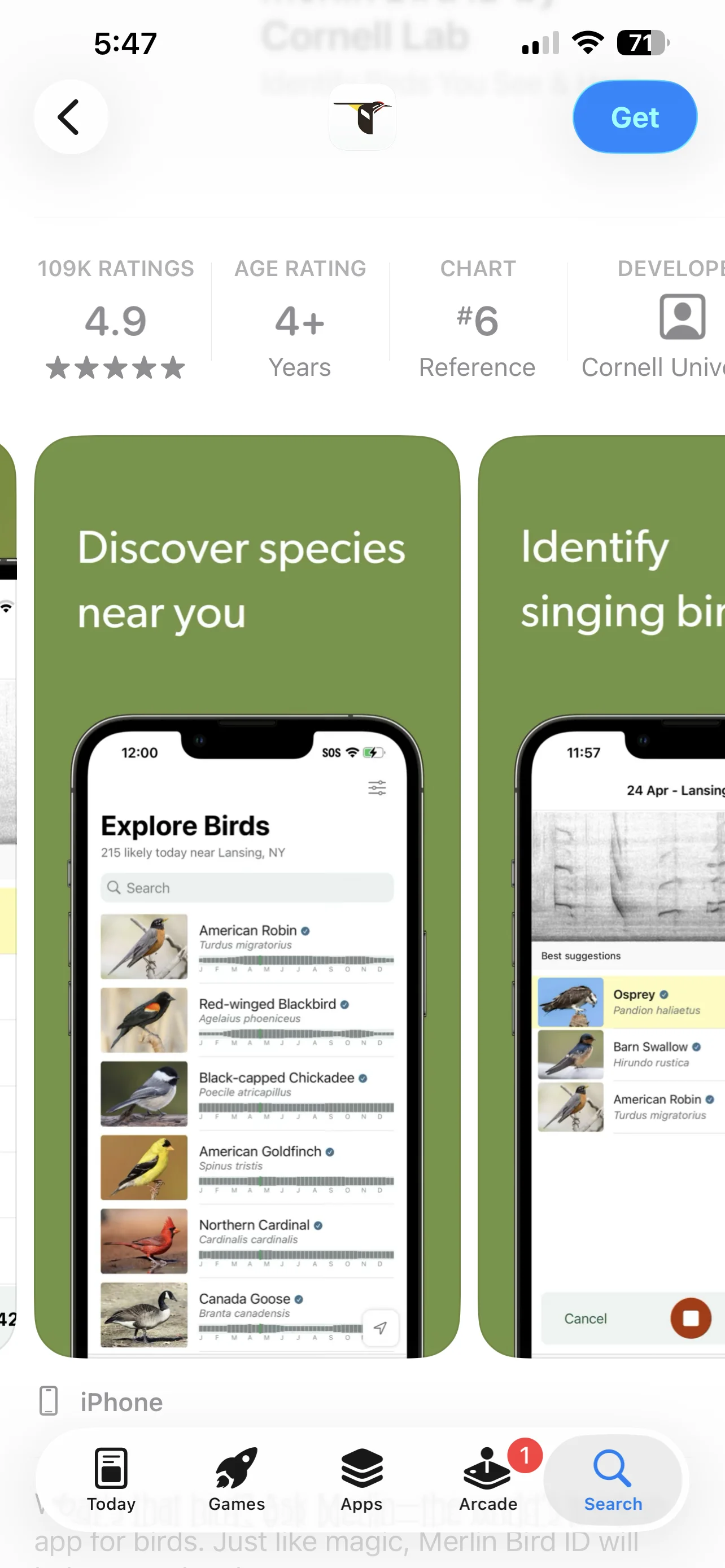
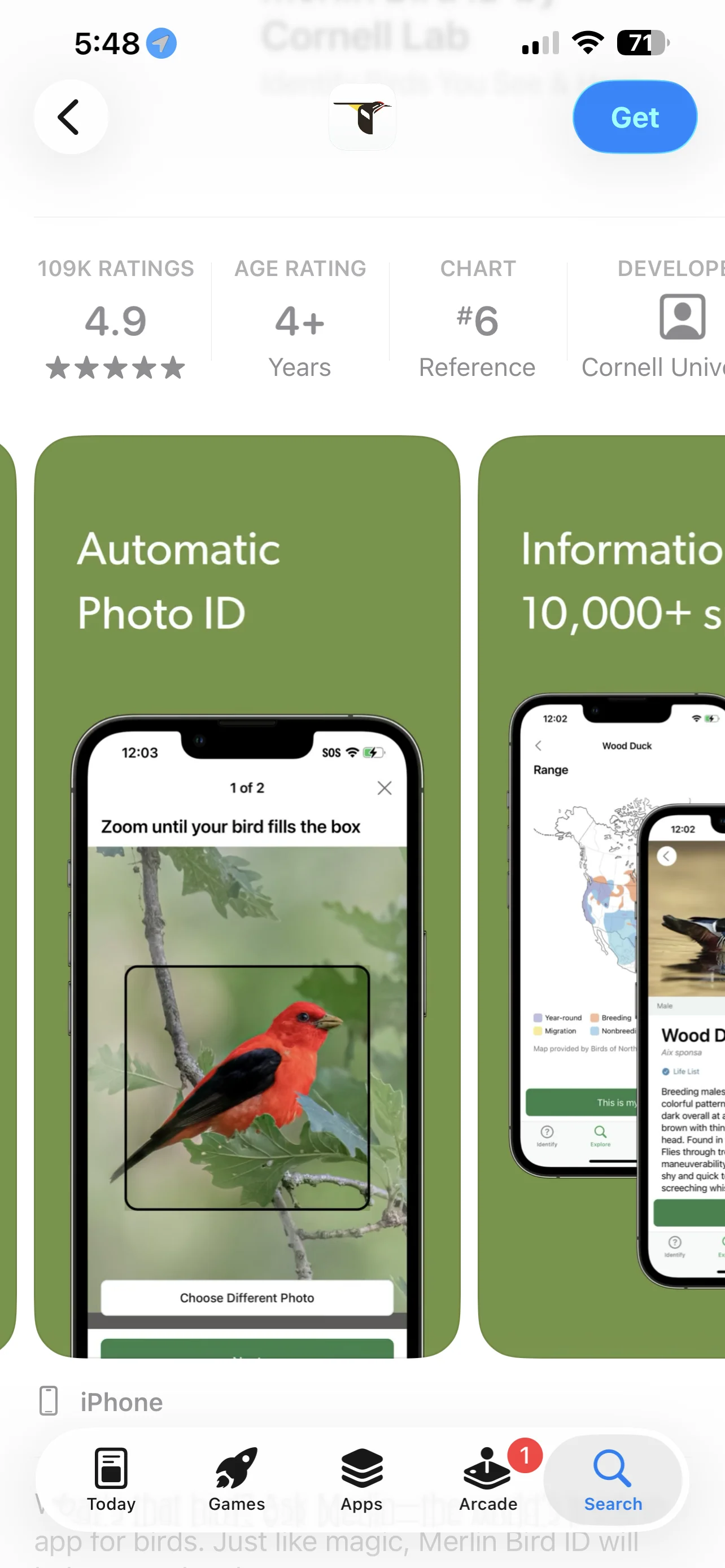
Free App · Cornell Lab of Ornithology
Merlin Bird ID — Know Every Bird You See or Hear