Texas Gulf Coast
Birding in Rockport, Texas
The complete insider guide — best spots, seasonal timing, what locals know, and why birders keep coming back to this stretch of the Texas coast year after year.
Rockport sits at the intersection of two of the most important bird migration corridors in North America. The Central Flyway funnels hundreds of millions of birds north in spring and south in fall — and this 26-mile stretch of Aransas Bay is where they rest, refuel, and winter. Add the resident breeding birds, the year-round raptors, and the endangered Whooping Cranes that return every October, and you have one of the most reliably productive birding destinations in the United States.
This is not a rehash of eBird data. This is what locals know — the timing, the access points, the spots that don’t appear in field guides, and the seasonal rhythms that tell you when to come and where to look.
Why Rockport Is Different
Most birding hotspots are great for one season or one group of species. Rockport is productive every single month of the year. That’s unusual — and it’s the reason the American Birding Association has long listed the Texas coast as one of its top five destinations in North America.
The geography explains it: Aransas Bay is shallow, warm, and extraordinarily productive. The surrounding grasslands, coastal prairie, and freshwater ponds create every habitat type a migrant bird could need. The Aransas National Wildlife Refuge adds 115,000 acres of protected land immediately adjacent to town.
Then there’s the legacy of Connie Hagar — the Rockport birder who single-handedly put this town on the ornithological map in the 1930s and 40s. When she reported 100,000 warblers passing through in a single day, skeptical scientists came from across the country to prove her wrong. They never could.
Birding by Season
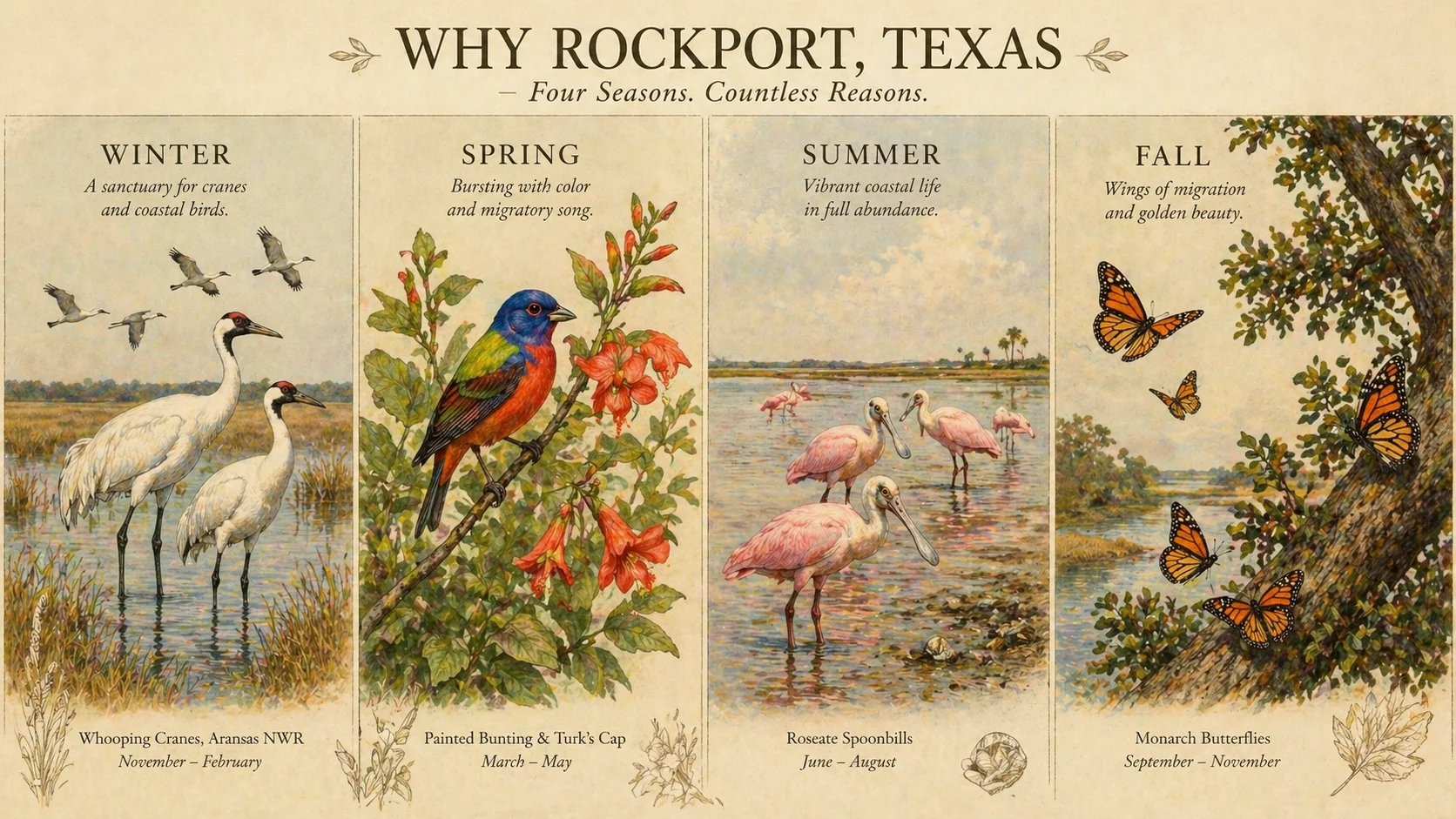
Rockport is a year-round destination — here’s what changes.
Fall Migration
- ✓Hummingbird Festival in mid-September — largest in the country
- ✓Ruby-throated and Rufous Hummingbirds peak late September
- ✓Whooping Cranes begin arriving October – November (560+ birds)
- ✓Hawks and falcons moving south through coastal corridors
- ✓Shorebird diversity peaks at bay flats and ponds
Peak visitor season. Book accommodations early, especially for the Hummingbird Festival (third week of September).
Winter Residency
- ✓Whooping Cranes on winter grounds at Aransas NWR
- ✓Ducks everywhere — Aransas Bay, freshwater ponds, rice fields
- ✓Sandhill Cranes in coastal prairies
- ✓Raptors: Ferruginous Hawks, Crested Caracaras, White-tailed Kites
- ✓Loons and grebes on open bay water
Crowds thin out after January. Weather mild (50s–70s). Best time for unhurried birding and wildlife refuge access.
Spring Migration
- ✓Warbler fallouts — dozens of species in a single morning
- ✓Painted Buntings arrive and begin singing late April
- ✓Shorebirds in breeding plumage heading north
- ✓Roseate Spoonbills at full pink — nesting colonies at Mud Island
- ✓Orioles, tanagers, and grosbeaks visible from coastal live oaks
Local secret: after a cold front in April, the live oaks on Lamar Peninsula can be dripping with warblers. Worth the drive.
Summer Nesting
- ✓Wading bird colonies active — herons, egrets, spoonbills
- ✓Black Skimmers and terns nesting on spoil islands
- ✓Least Terns along bay shores
- ✓Neotropical species (Yellow-breasted Chat, Painted Bunting) on territory
- ✓Early shorebird migrants return by late July
Hot (90s+) and humid. Beat the heat by birding before 9am. Summer crowds are beach-focused — the birding spots are often empty.
The Best Birding Spots
Ranked by a local — including the spot that doesn’t appear in any tourism brochure.
Lamar Beach Road
This is where the whooping cranes are. Not at the refuge auto loop 38 miles away — here, 7 miles from downtown Rockport, on a narrow rural loop road along the bay. Locals drive this loop every single day because they love it — peaceful, unhurried, and always producing something. Whooping cranes walk across this road. Roseate Spoonbills feed in the flats at eye level. You pull over, roll the window down, and they are right there. No observation tower. No 1-mile distance. No admission fee. The character changes as you go: Lamar Beach Road along the bay is crane and shorebird territory; the Palmetto and Twelfth Street sections through the live oak canopy are warbler country. Most of the surrounding land is private — respect the landowners and stay on the road. And a critical warning for RV drivers: Twelfth Street and Palmetto Street through the oak trees are barely wide enough for one car. TxDOT painted center lines that give the illusion you should stay in your lane — do not trust them. Drive the center strip. Locals have watched many RVs clip the oak trees on those streets by hugging their painted lane. There is also a new addition: the Lamar Burton Wetlands Sanctuary, with a well-marked entrance, cattail marsh, and open wetland habitat that looks very promising for wading birds and rails.
Memorial Park — Back Pond & Tree Loop
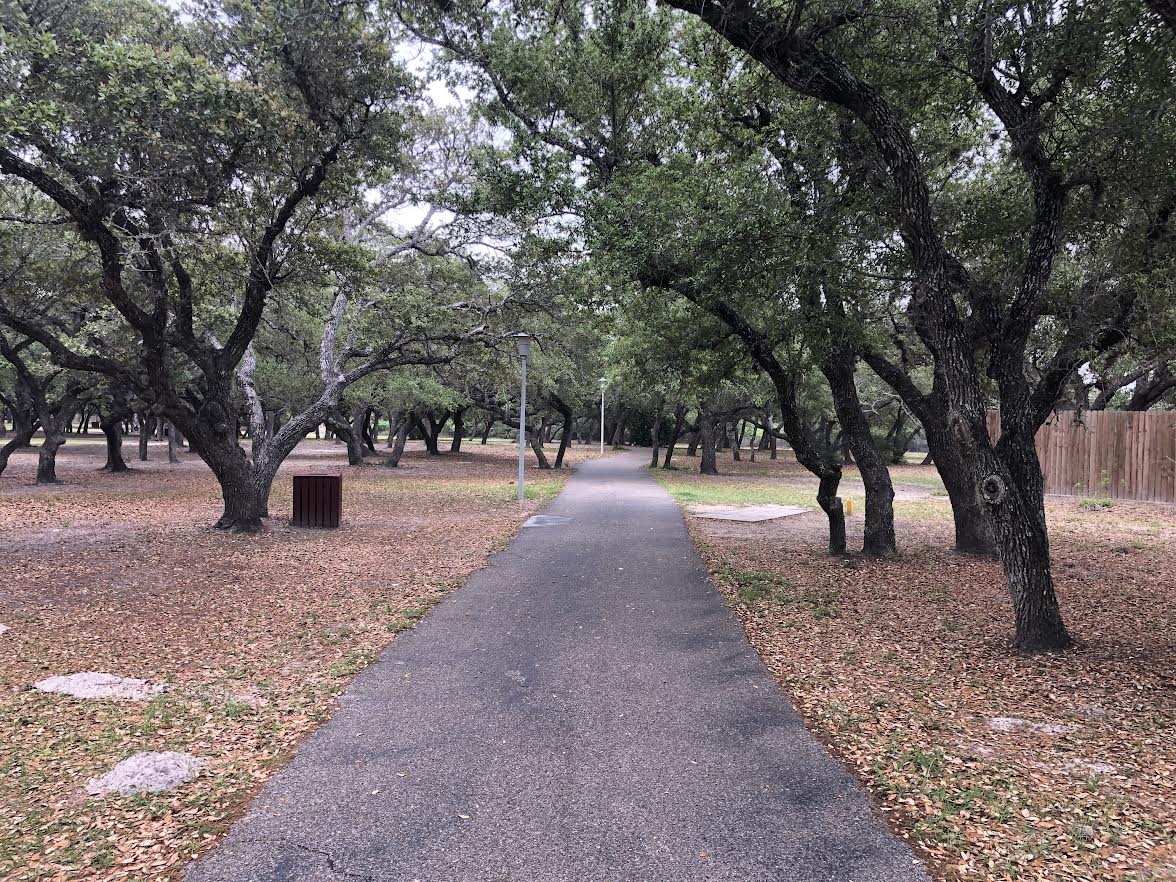
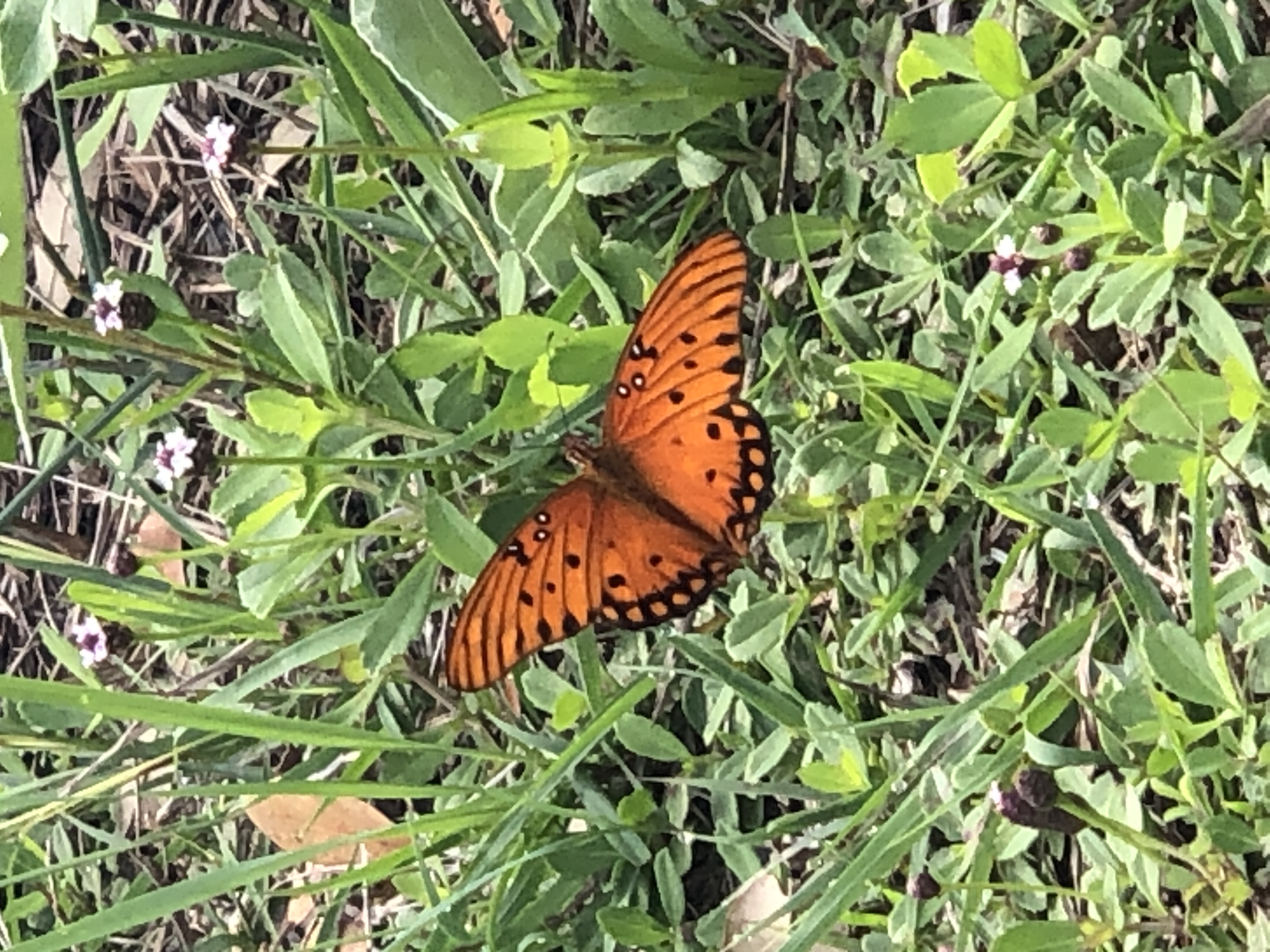
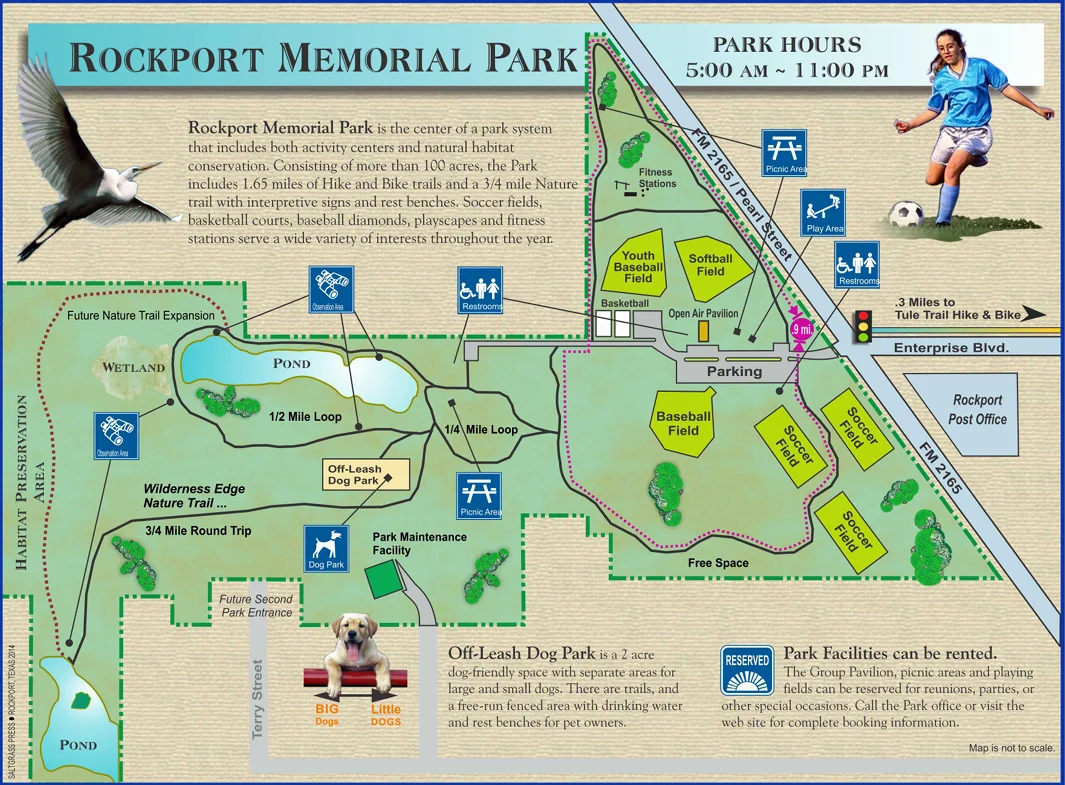
Most visitors park up front near the ball fields and never find the back — and the back is where the birding is. Drive past all the main parking areas to the far end of the park: roughly 10 spots beside the pond and the live oak trees, with a restroom right there. That puts you directly on the most productive section: a small paved loop through the canopy around two freshwater ponds, where only locals go. The Wilderness Edge Nature Trail through the Habitat Preservation Area has five dedicated bird observation benches — sit and let the birds come to you. Cardinals, wrens, vireos, and warblers in the live oaks; wading birds and waterfowl on the ponds; Gulf Fritillary butterflies in the groundcover year-round. The full 1.65-mile Hike & Bike Trail is excellent for active walkers. Because every path is paved, this is also the only genuinely wheelchair-accessible birding spot near Rockport — no beach sand, no gravel, no barriers.
Goose Island State Park
Goose Island State Park occupies a peninsula between Aransas Bay and St. Charles Bay with excellent shorebirding, wading bird habitat, and a fishing pier right on the water. The park has a fee entrance but also one of the few public restrooms anywhere near this stretch of coast — a practical fact worth knowing if you're spending a morning on Lamar. After a northerly front in spring, the live oaks along the park road can be dripping with warblers, tanagers, and orioles. Note: the 1,000-year-old Big Tree is managed by Goose Island State Park but is NOT at the main park entrance — it's at 1622 Twelfth St at the intersection of Lamar Beach Road, about 5 miles away, and is free to visit.
Linda S. Castro Nature Sanctuary
Easy to miss at highway speed — the entrance is a gravel drive tucked between a welding shop and an old building on Hwy 35, easy to blow right past. What's behind it is remarkable: 4.5 acres of meticulously maintained native habitat with brick-edged garden paths through wildflowers, a covered pavilion, hummingbird feeders, and three distinct habitat types in one small space. The elevated viewing platform has mounted binoculars pointed directly over an ephemeral pond — a fishless seasonal wetland that herons and egrets work for easy feeding. Aransas Pathways manages the sanctuary and has invested significantly in recent improvements. The sanctuary also contains a rare Live Oak-Redbay Forest, one of the rarest coastal forest types in Texas, found in only five counties. No bathroom on site — plan accordingly.
Little Bay — Downtown Rockport
Little Bay is not a quiet birding preserve — it's a working bay scene. Water skiers, kite surfers, and windsurfers share the water with pelicans, herons, and skimmers, and it all works somehow. The bait stands along the waterfront are a reliable heron hangout: Great Blue Herons station themselves right next to the fish-cleaning stations and wait for an easy lunch. Bathrooms are available near the bait stands and festival grounds area. The dog beach on the bay side is free, dog-friendly, and open for walking — a completely different zone from Rockport Beach proper, which has a paid entrance and does not allow dogs. The protected nesting area on the back side of Rockport Beach is where Black Skimmers nest in season — worth a slow look from the road.
Connie Hagar Cottage Sanctuary
The small yard surrounding Connie Hagar's historic cottage is maintained as a butterfly and hummingbird garden. During migration it punches well above its size — the nectar plants and water features concentrate migrants in a compact space. Walking distance from most downtown accommodations.
Aransas National Wildlife Refuge
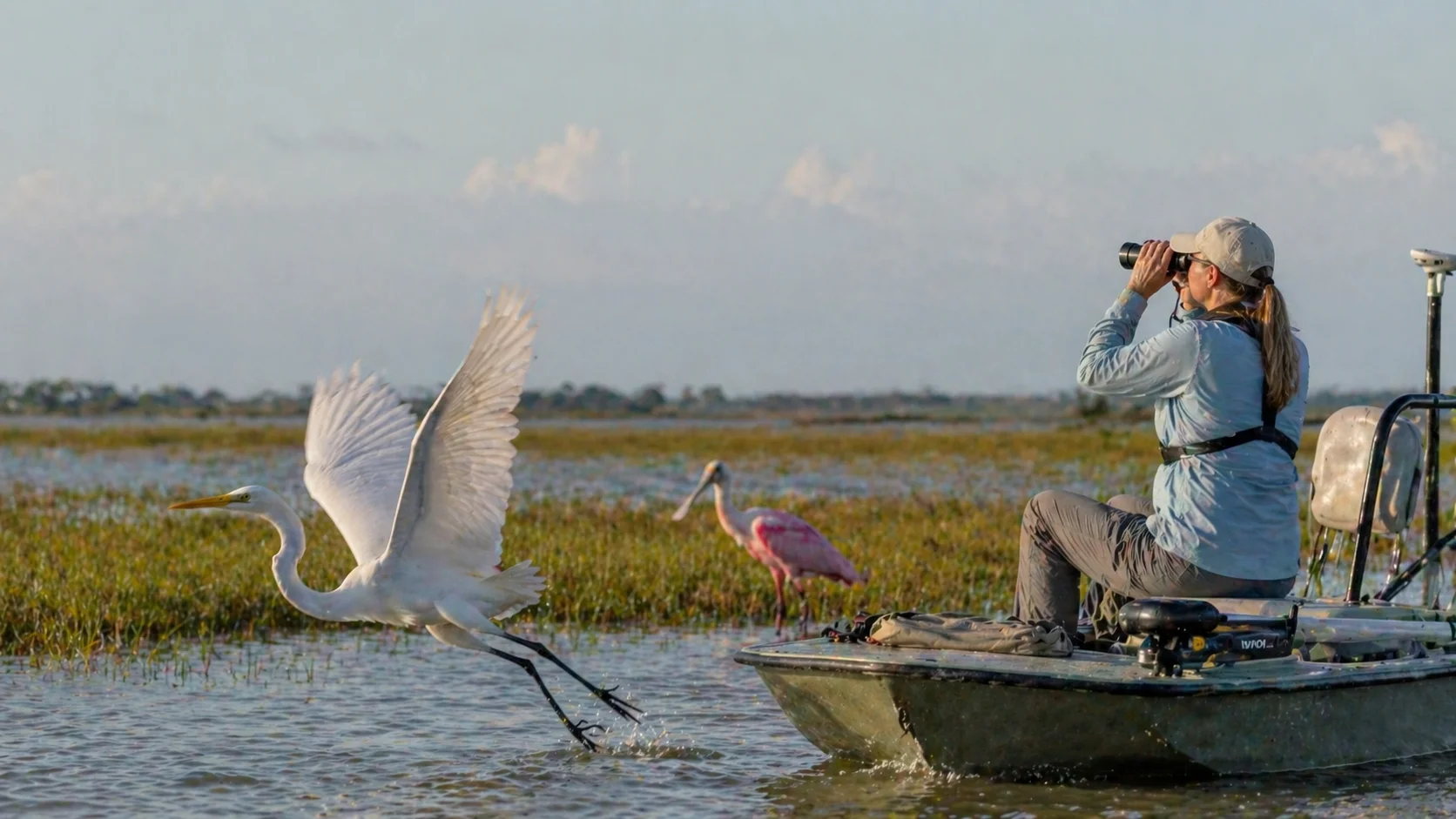
Here is the honest truth that no other guide will tell you: the whooping cranes at ANWR are viewed from an observation tower at 1–2 miles distance. You will see white specks on the horizon. Even with a good scope, they are not up close, not dramatic, not the experience the photos suggest. The auto loop is 16 miles of beautiful habitat — live oak mottes, freshwater ponds, tidal flats — and the general birding (spoonbills, herons, alligators, shorebirds) is genuinely excellent. But if you came for a close encounter with a whooping crane, Lamar Beach Road is 7 miles from your hotel and it is free. ANWR by boat is a different story — a guided boat tour gets you into the bay alongside the cranes at close range. The refuge is worth the full-day trip for what it is: 115,000 acres of protected Gulf Coast wilderness. Just go with the right expectations.
Want the deep dive on each site?
The Birding Spots Guide goes site-by-site with habitat details, access notes, and what to look for at each location — including Fennessey Ranch.
What You’ll See
Over 500 species have been recorded in Aransas County. A first-time visitor on a two-day trip in late October should realistically expect 80–120 species without trying hard. That number rises above 150 for birders who plan their stops and start early.
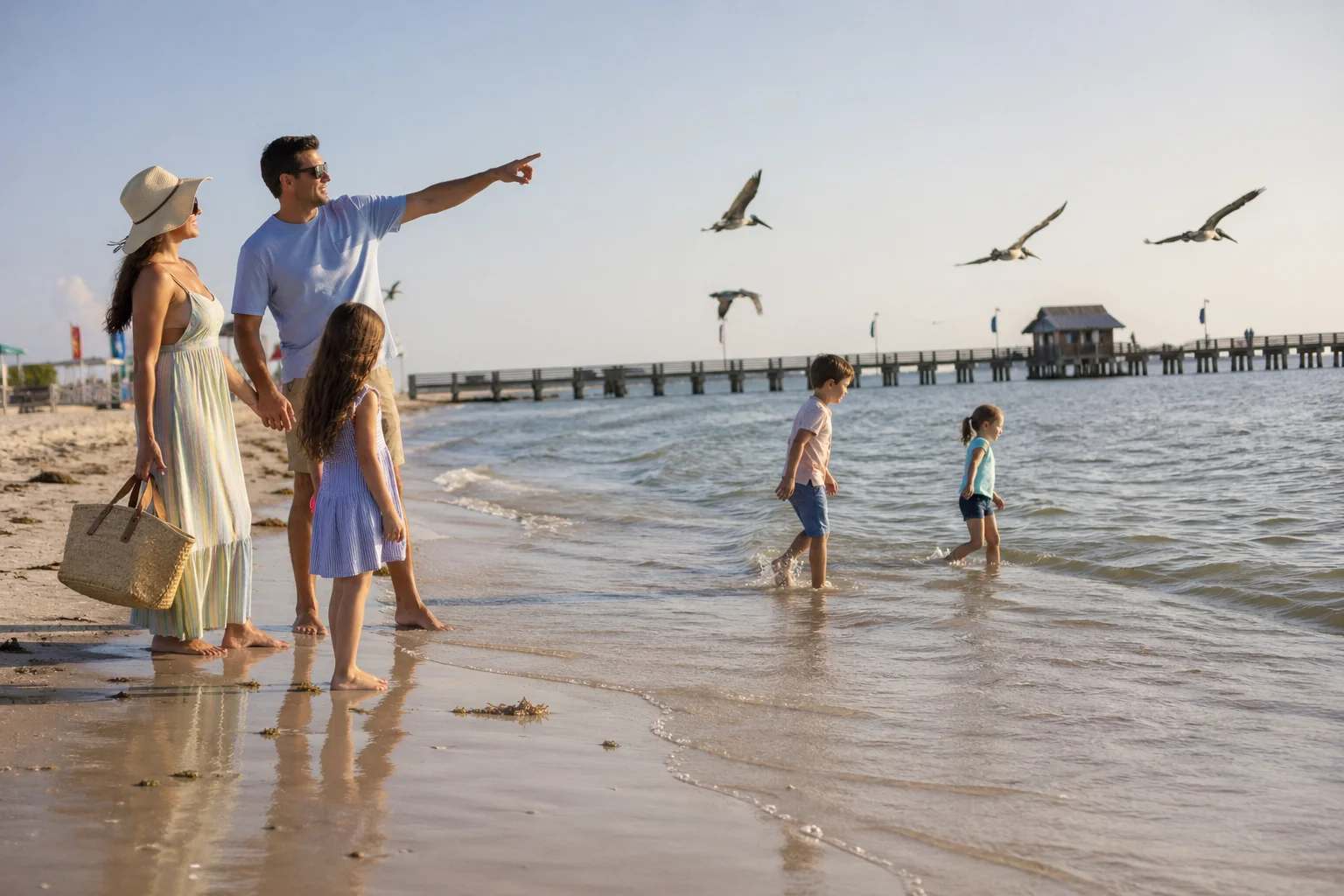
Key Target Species
Insider Tips
Things you only learn after spending time here.
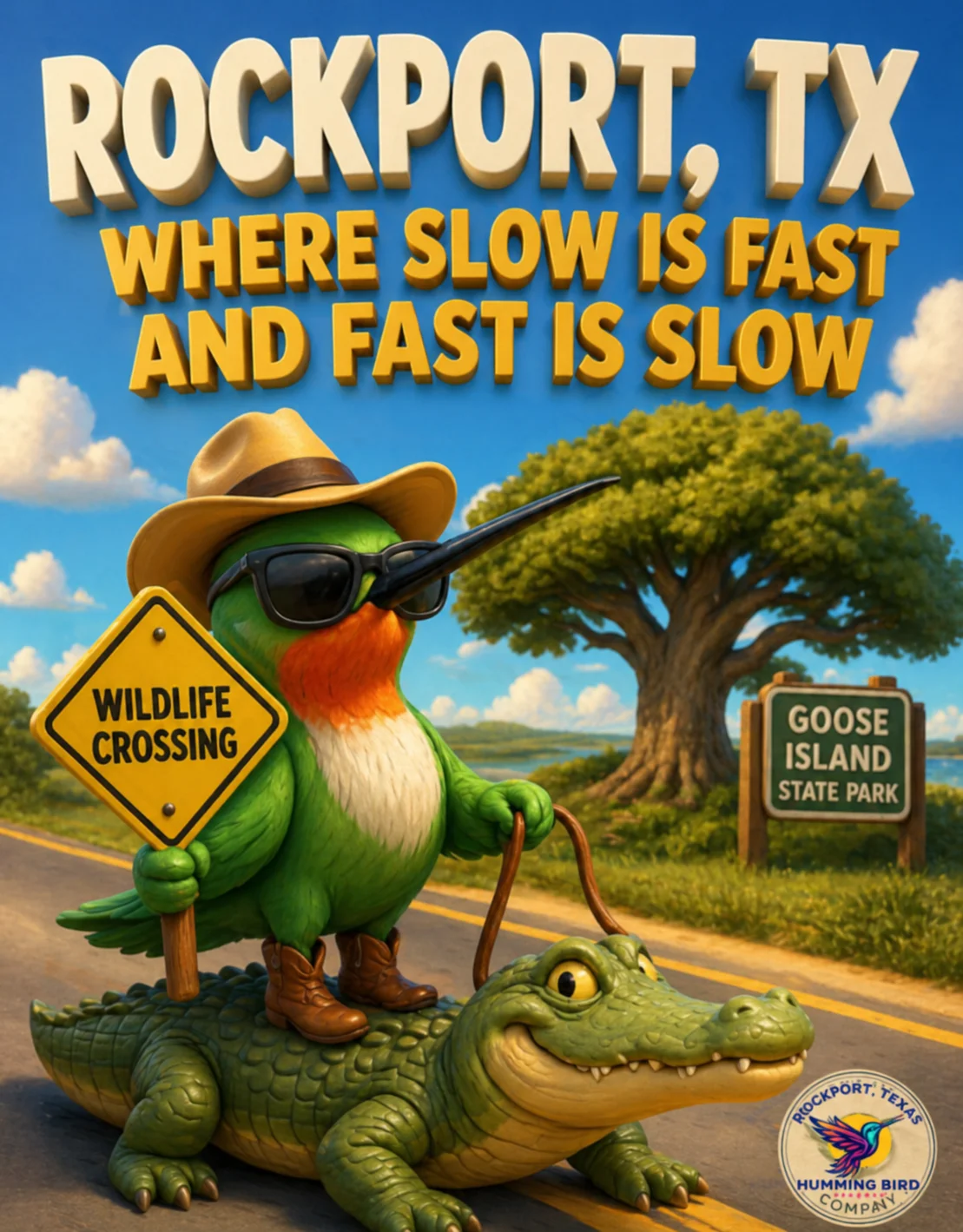
The Local Motto
Slow Is Fast. Fast Is Slow.
Rockport runs on wildlife time. Alligators cross Lamar Beach Road without apology. Caracaras hold fence posts while traffic waits. Great Blue Herons stalk the shoulder of Hwy 35. The best birding happens at 5 mph — not 55. Slow down, roll the windows down, and let the birds come to you. The ones who rush see nothing; the ones who wait see everything.
The Caracara Triangle, Lamar
Drive the triangle formed by Park Road 13 / Main Street, Front Street, and Bois d'Arc Street in Lamar. This quiet rural neighborhood has large wooded lots, a neighbor who feeds deer religiously, and several untouched 20-acre tracts that have become a wildlife sanctuary. Deer are everywhere, and where deer go, Caracaras follow. Dark, shaded streets with plenty of wildlife activity — most reliable early morning.
Scan the Vulture Flocks
Any cluster of Black or Turkey Vultures on the ground is worth slowing down for. Crested Caracaras routinely feed alongside them and are easy to miss at highway speed — the upright posture and orange face give them away once you stop.
Winter Texans Know the Ponds
The "Winter Texan" community — snowbirds who park their RVs in Rockport from November through March — have been visiting for decades and know every productive pond in Aransas County. If you're at an RV park or campground, ask the regulars. They have notes.
Summer Crowds, Empty Birding Spots
Summer brings families to the beach — Rockport Beach fills up fast. But the birding spots (ANWR, Lamar Beach Road, Goose Island) are often nearly empty. The birds don't leave; the birders do. June–August can be excellent for wading birds and nesting species if you go early.
After a Cold Front in April
When a cold front moves through in late April, birds that were pushed offshore find land at the first opportunity — and Rockport is that first opportunity. The live oaks on Lamar Peninsula can be absolutely dripping with warblers, tanagers, and orioles the morning after a front. Worth extending your trip for.
Use Your Car as a Blind
Most large birds on the Texas coast are acclimated to road traffic and will hold their position for a slow-moving vehicle. Pull off the road, turn off the engine, and wait. A caracara on a fence post, a spoonbill on a bay flat, a crane in a field — all will tolerate a quiet car far longer than a person on foot.
Duck Hunters and Duck Habitat
Duck hunters know the best freshwater ponds and managed wetlands — and they're usually done by mid-morning. The managed impoundments used for hunting on private land surrounding the refuge hold extraordinary numbers of wintering waterfowl. The public areas nearby (ANWR, bay edges) share birds with these private tracts.
Watch Fishing Activity for Terns
Active fishing boats and diving pelicans signal baitfish near the surface. That same activity concentrates terns, laughing gulls, and occasionally rarer seabirds. From the bay overlooks on Lamar Beach Road or the fishing pier at Goose Island, watch the water rather than the shore.
Local Secret
Memorial Park — The Birding Spot Nobody Talks About
Rockport Memorial Park (1601 FM 2165 / Pearl St) is the city’s largest park at over 100 acres — and one of its most overlooked birding spots. The 1.65-mile paved Hike & Bike Trail and 3/4-mile Wilderness Edge Nature Trail both wind through native live oak canopy that channels migrants during spring and fall. The city even installed five dedicated bird observation benches along the routes. Two freshwater ponds attract wading birds and waterfowl year-round.
The park is open 5am–11pm, free, with restrooms on site. Even on busy weekends with Little League and soccer games filling the fields, the trails stay tranquil — the live oak understory is a world apart from the ball diamonds. Butterflies are abundant in the groundcover, and the shaded canopy holds wrens, vireos, and warblers that never make it to the bay.
See More From the Water
Guided Bay Tours
A guided boat tour gets you into whooping crane habitat, puts you beside nesting rookeries, and gives you access to bay flats that aren’t reachable on foot.
Book a Guided Tour →Planning Your Trip
Getting Here
- →Rockport is 35 miles north of Corpus Christi on Hwy 35
- →Corpus Christi International Airport is the nearest airport (45 min drive)
- →Houston Hobby is 3.5 hrs — common flight hub for birders traveling from the east
- →No public transit — a car is required
Where to Stay
- →Birder-friendly cottages and vacation rentals available through Bird-Nest
- →Goose Island State Park has RV and tent camping
- →Fulton, just north of Rockport, has additional motels and rentals
- →Book early for Hummingbird Festival week (3rd week of September)
What to Bring
- →Binoculars — 8×42 or 10×42. Non-negotiable.
- →Scope for crane viewing and open bay scanning
- →Sunscreen and a hat — open exposure on bay flats is brutal
- →Water and snacks — refuge loop takes 2–3 hours minimum
- →Texas State Park pass (valid at Goose Island)
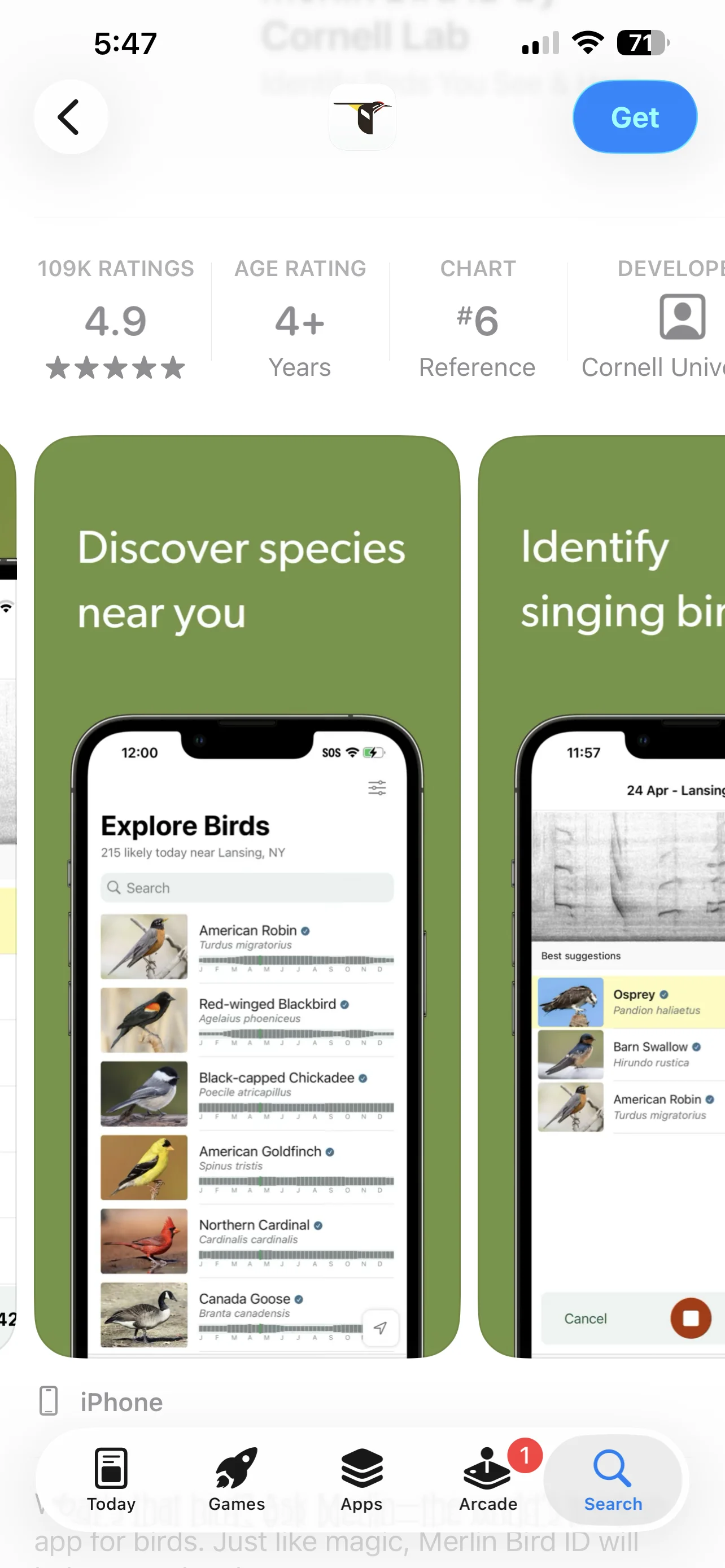
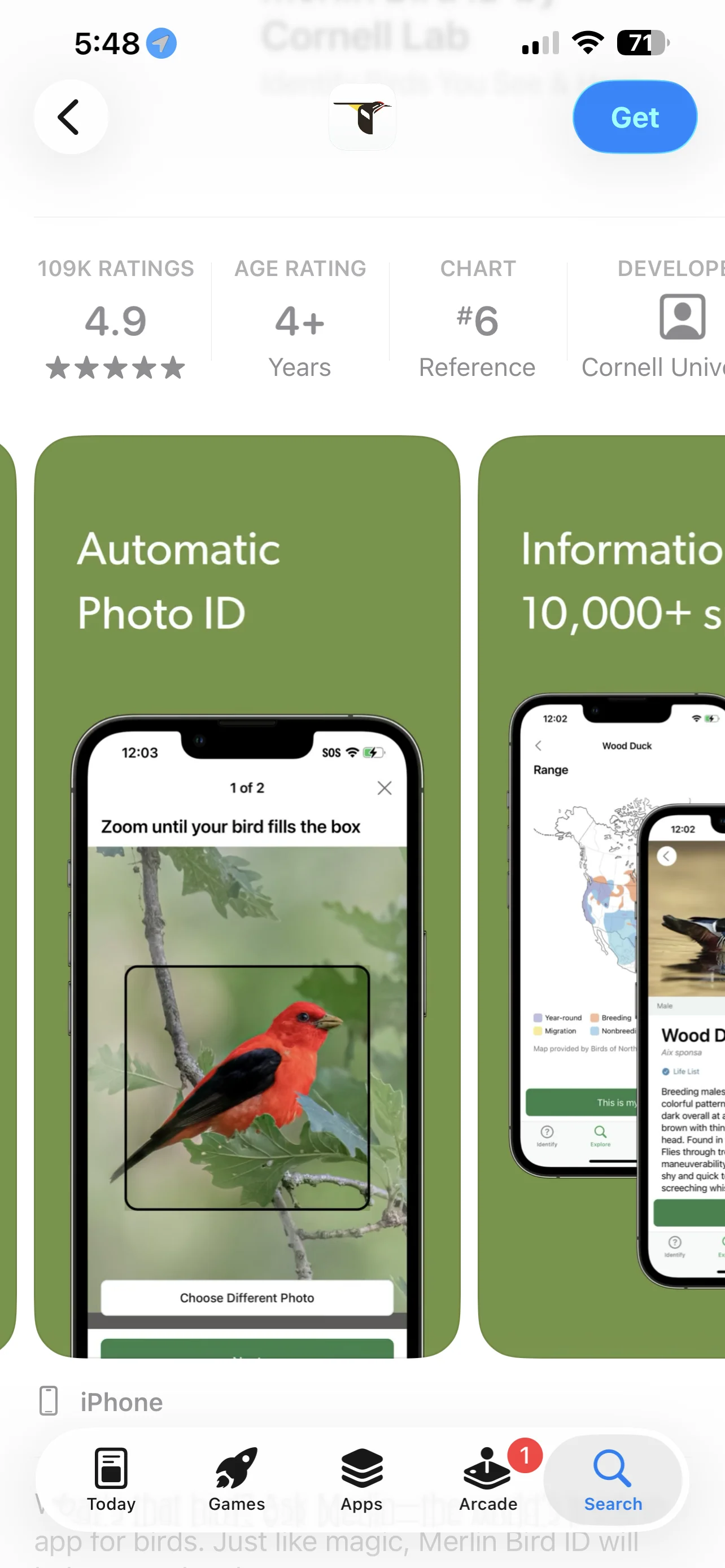
- →Merlin Bird ID (free app): Sound ID names every bird it hears in real time. Download the Texas bird pack before visiting ANWR — no cell service on the refuge.
Free App · Cornell Lab of Ornithology
Merlin Bird ID — Know Every Bird You See or Hear
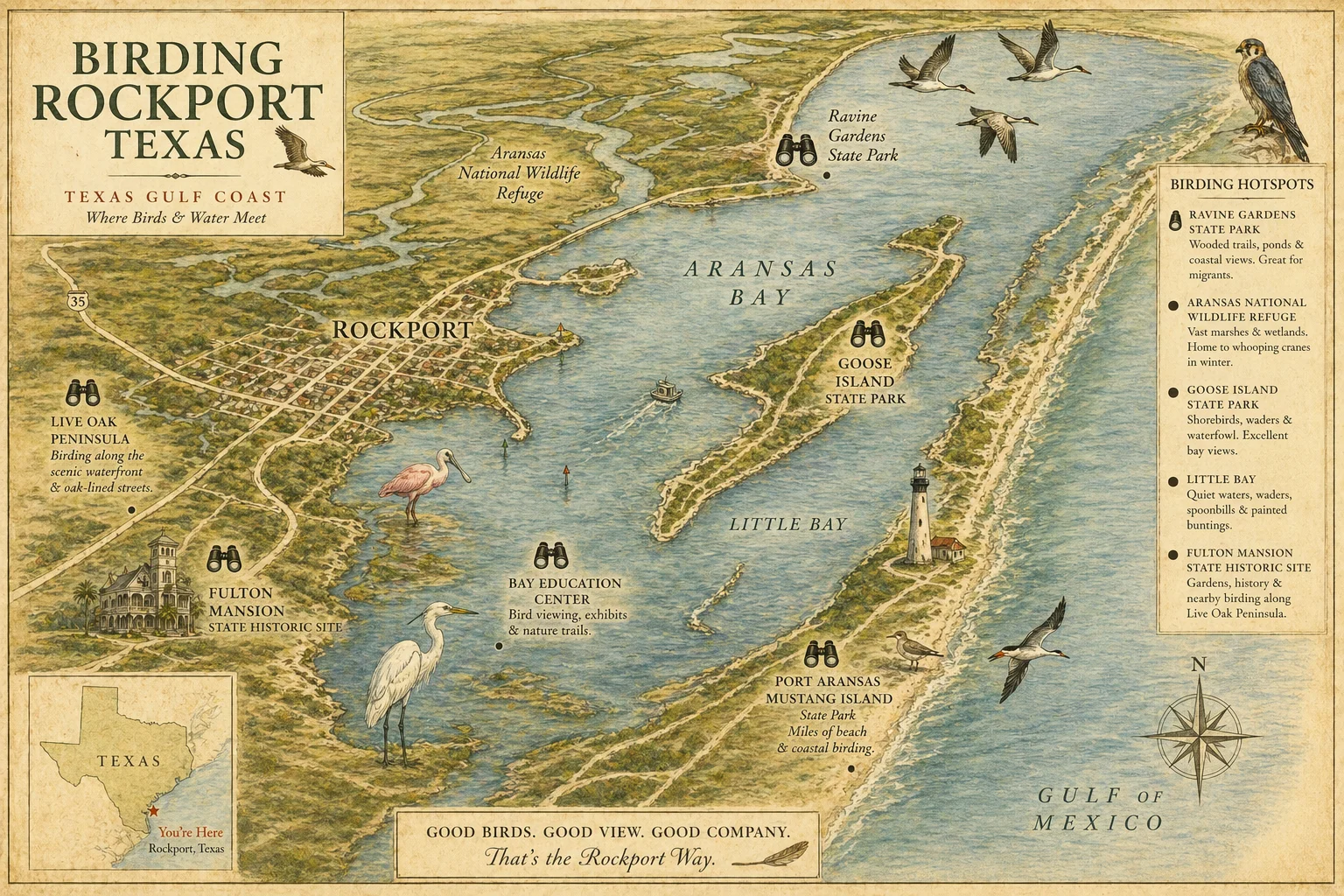
Explore the Interactive Map
All 33 Aransas Pathways birding sites, the 59 Texas Historical Commission markers, and the major birding destinations — plotted on a filterable map you can explore before your trip.