Texas Gulf Coast
Birds of Rockport, Texas
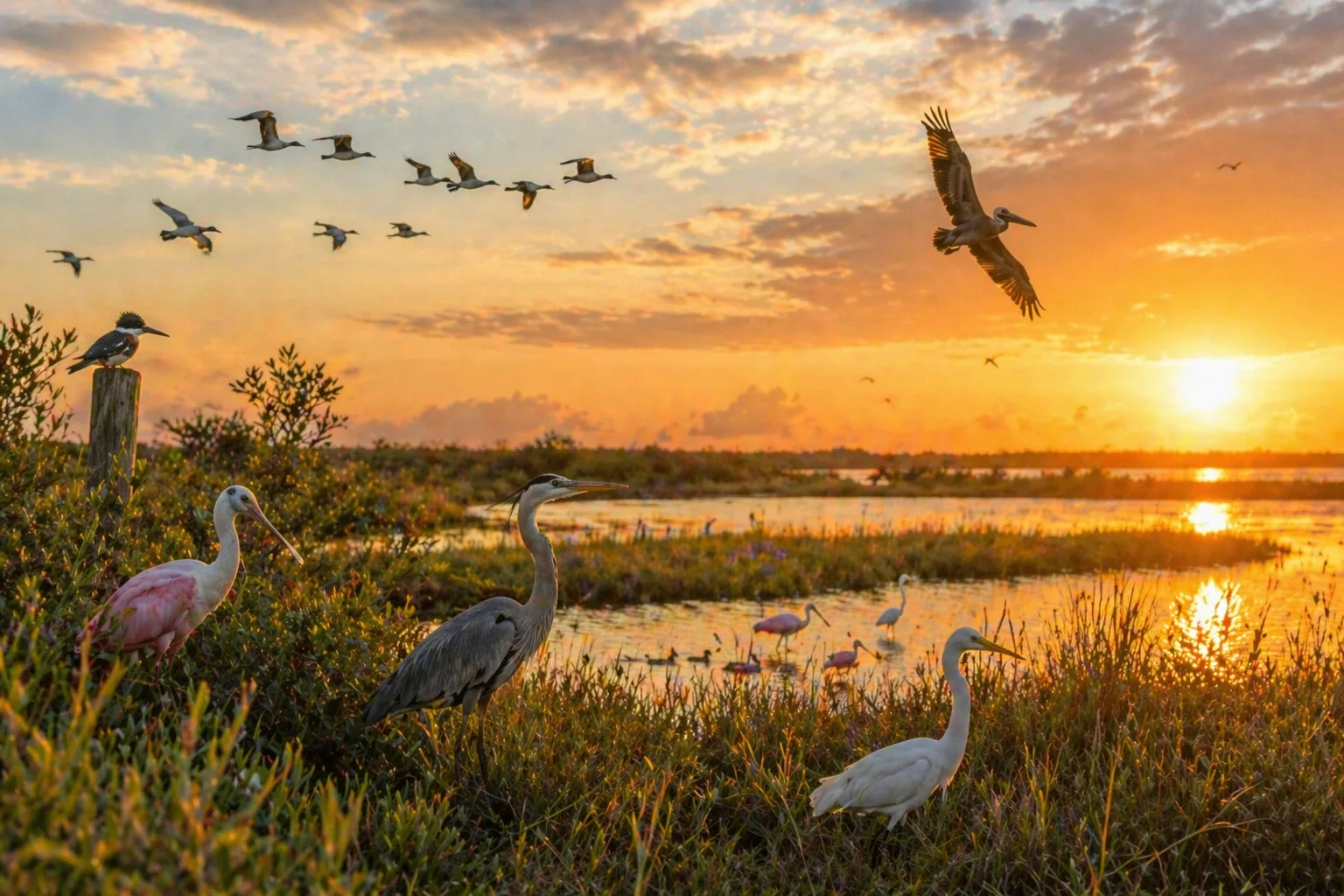
One of North America’s most celebrated birding destinations — where the Central Flyway meets the Gulf Coast.
.webp)
“You keep scrolling. I’ll be here when you get back.”
STILL HERE.
— Luna
Rockport sits at the crossroads of three major migratory corridors, creating a mosaic of habitats — sheltered bays, live oak mottes, coastal prairie, and freshwater marsh — that attracts over 500 recorded species throughout the year.
Whether you’re here for Whooping Cranes in winter, Painted Buntings in spring, or the October Monarch migration, something extraordinary is always in season.
Featured Species
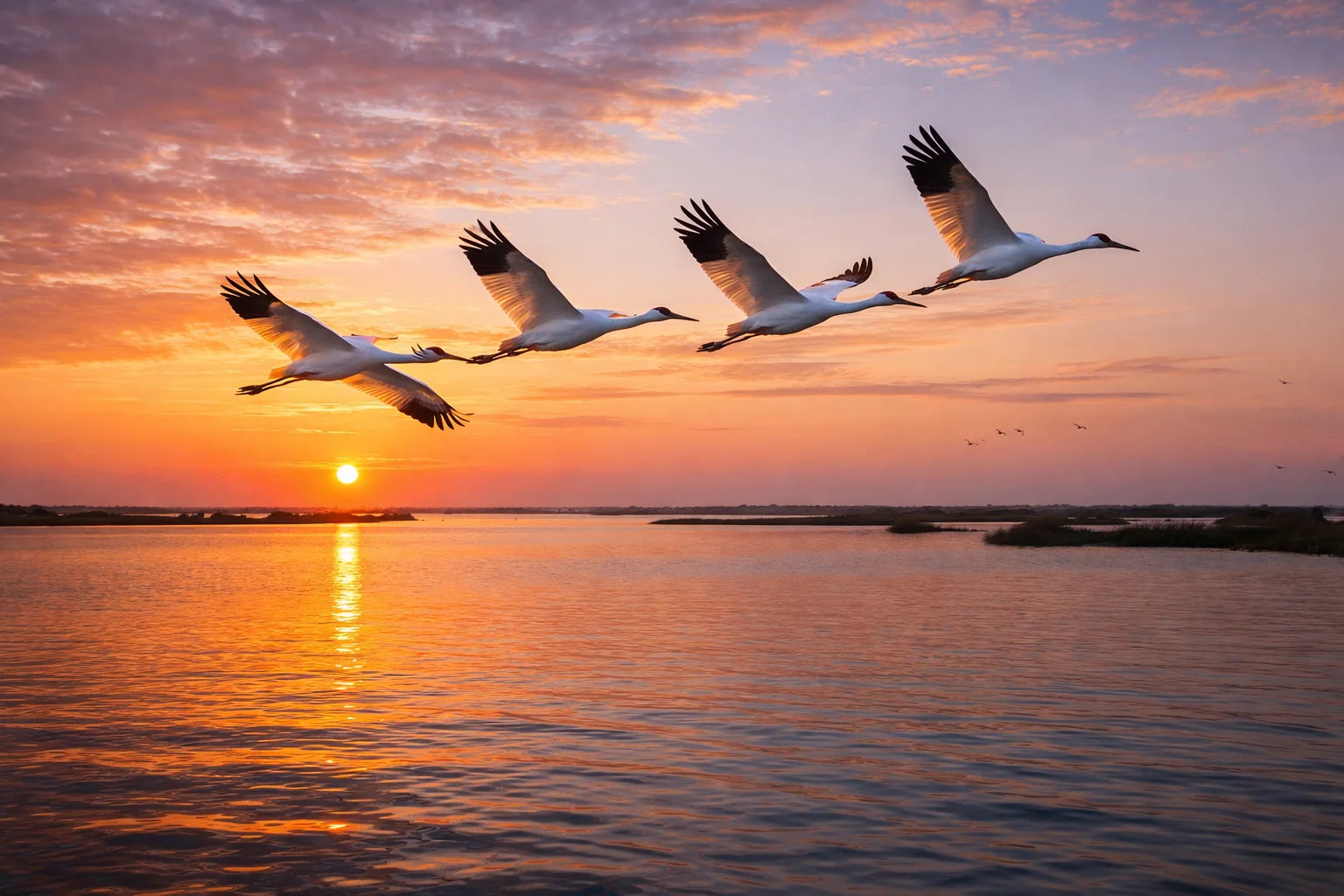
Whooping Crane
The tallest bird in North America. Over 560 winter at Aransas NWR — the largest wild flock on Earth.
Learn More →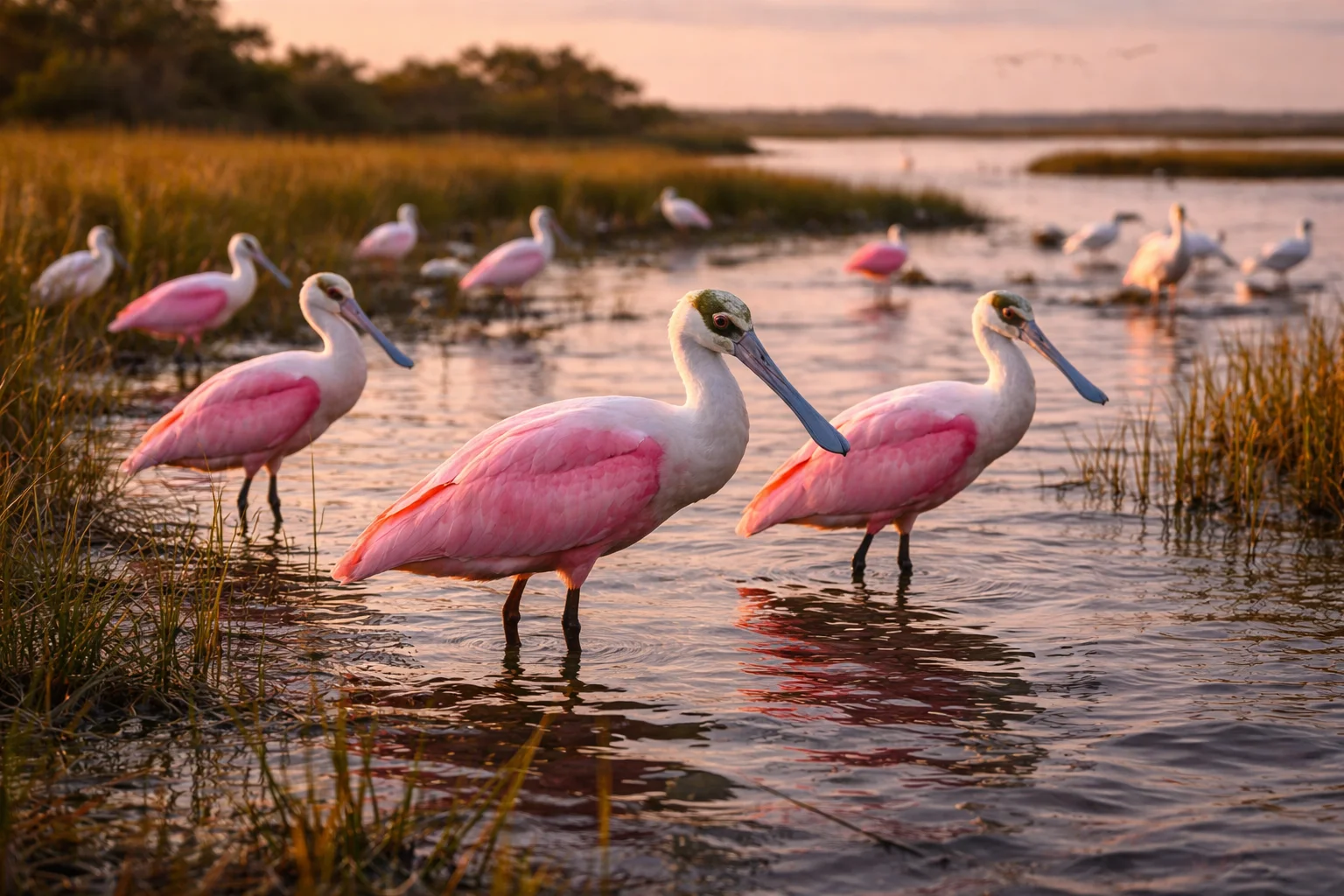
Roseate Spoonbill
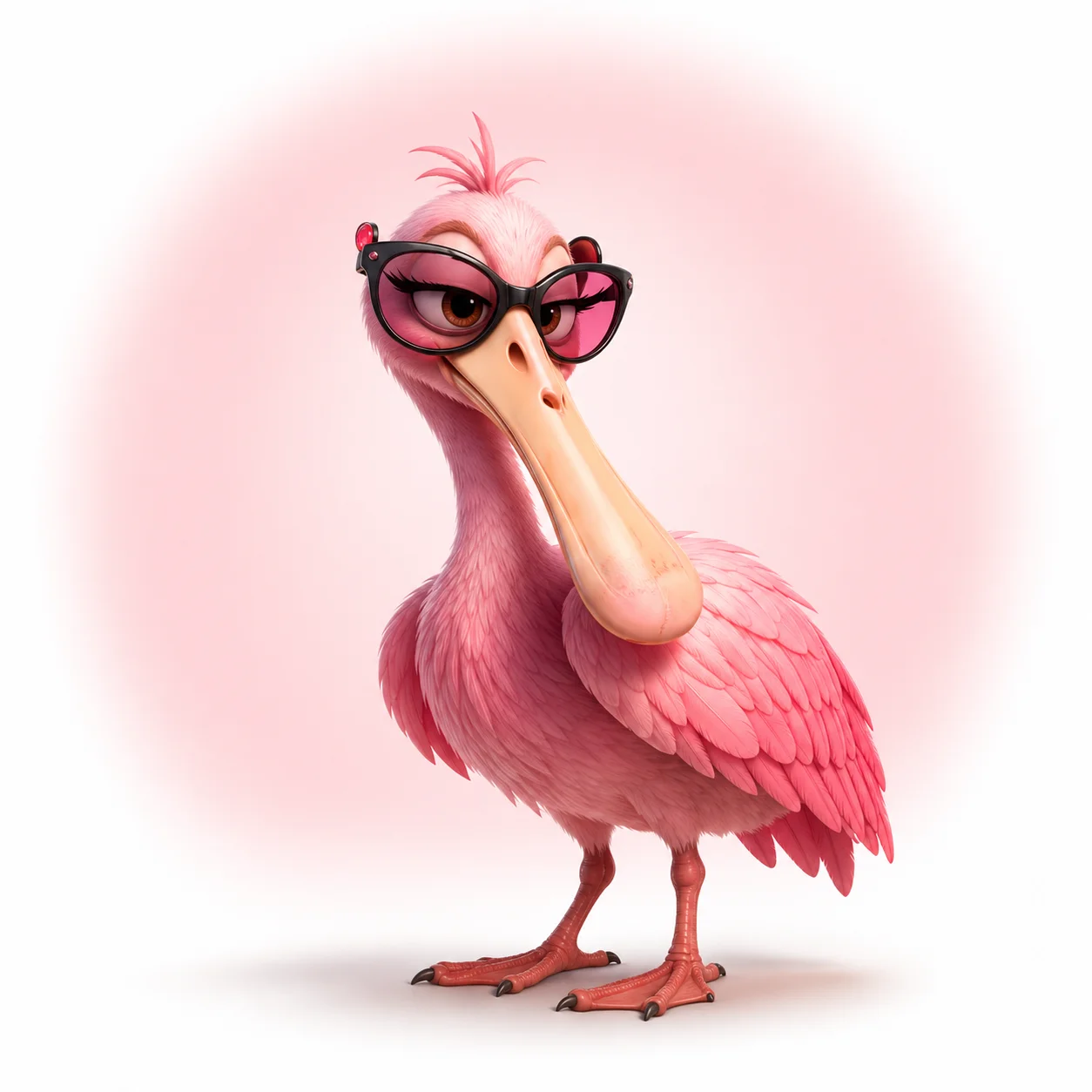
Unmistakable flamingo-pink waders that sweep shallow bays with their spatula bills. A year-round Rockport resident.
Learn More →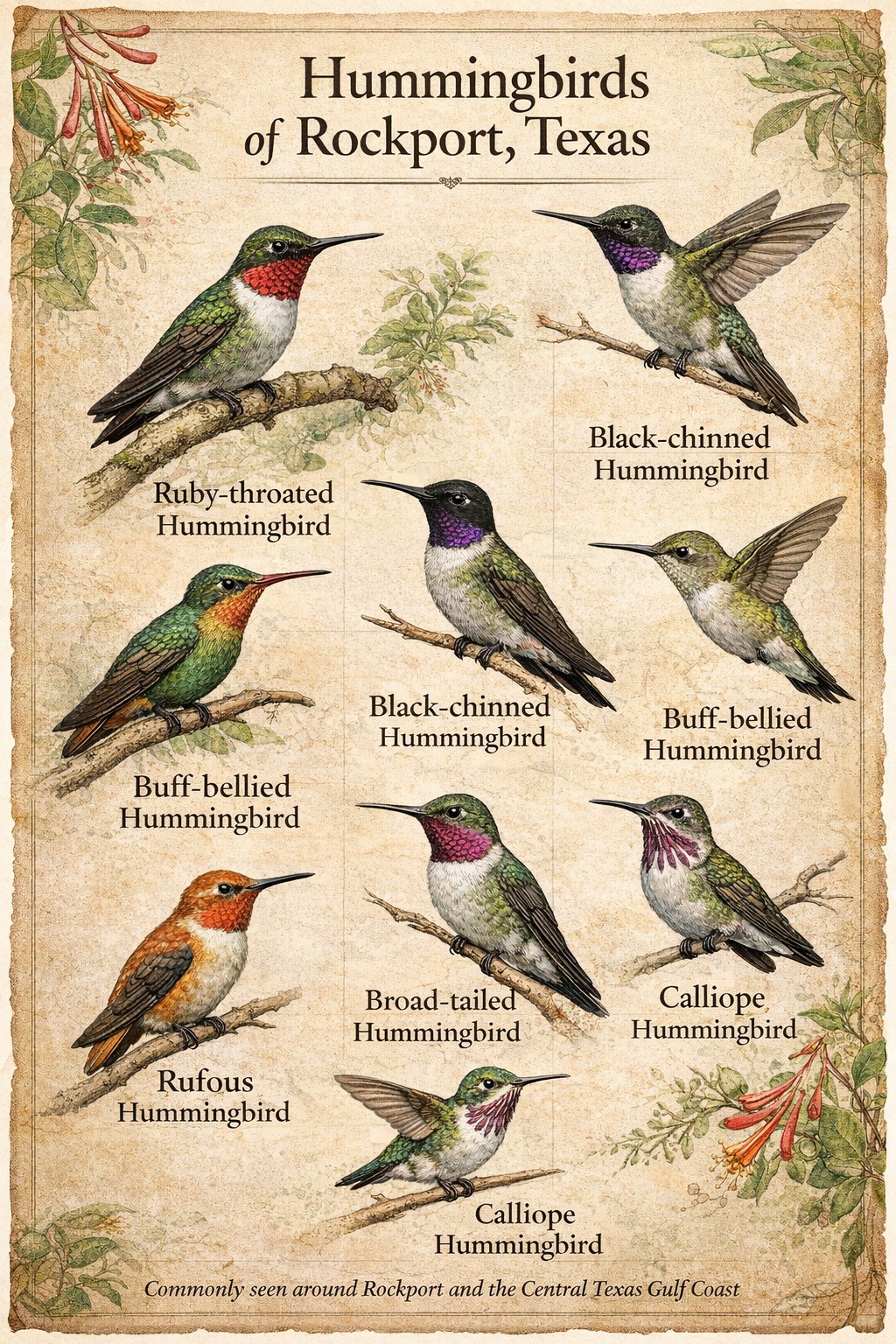
Hummingbirds of Texas
The Buff-bellied stays year-round. The Ruby-throated arrives by the thousands each September. Meet every hummingbird species found on the Texas Coast.
Learn More →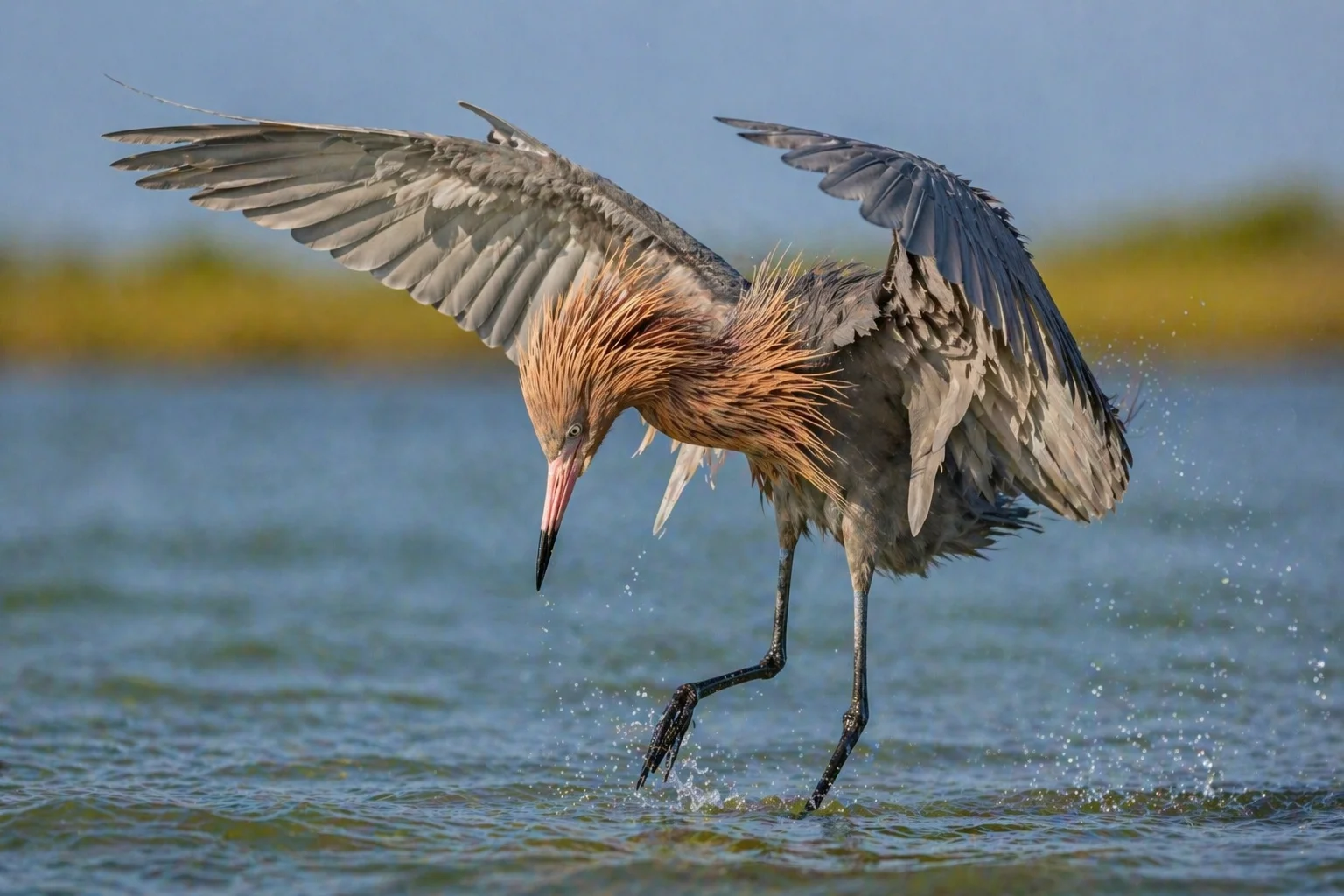
Reddish Egret
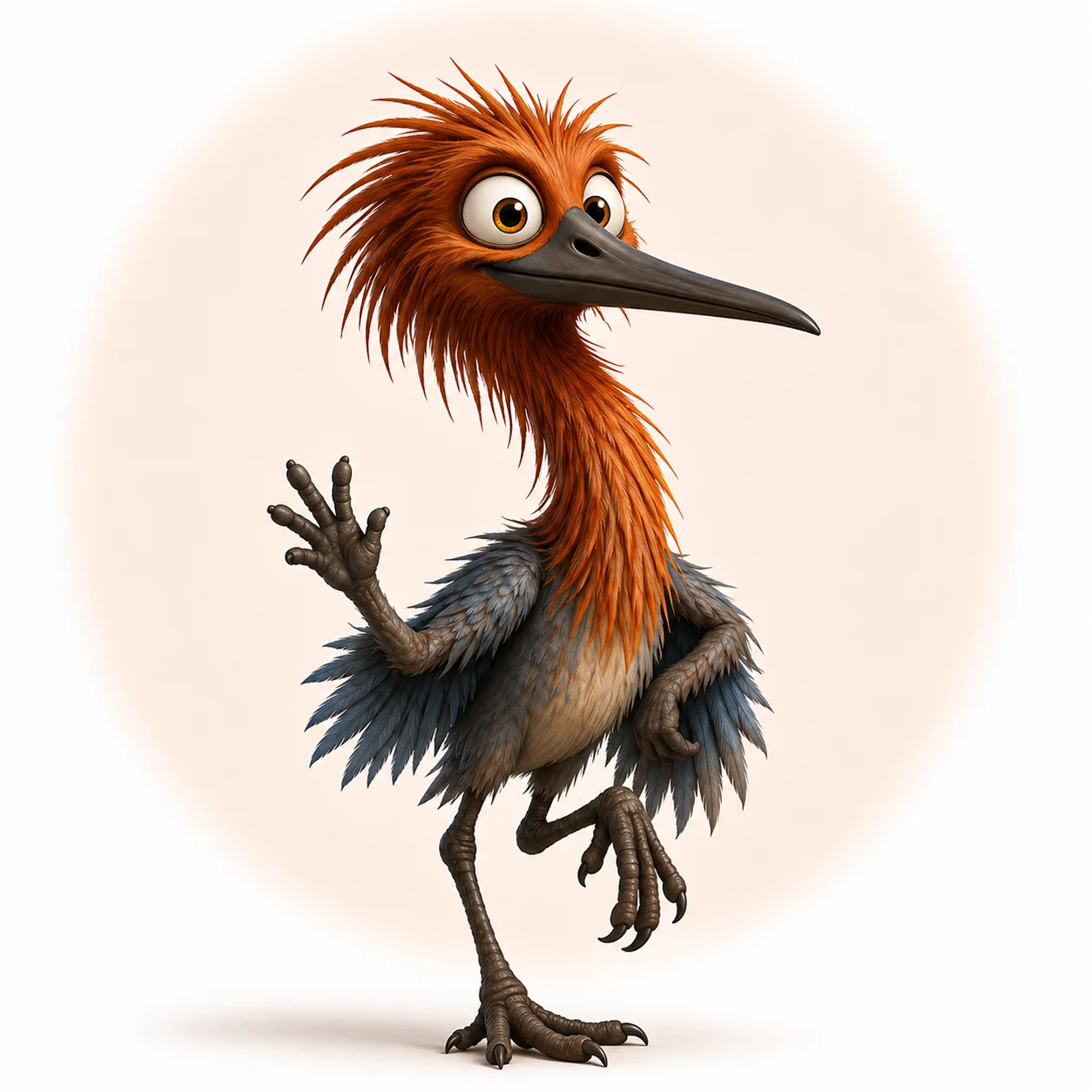
One of the rarest herons in North America performs its wild feeding dance in the shallow flats around Goose Island.
Learn More →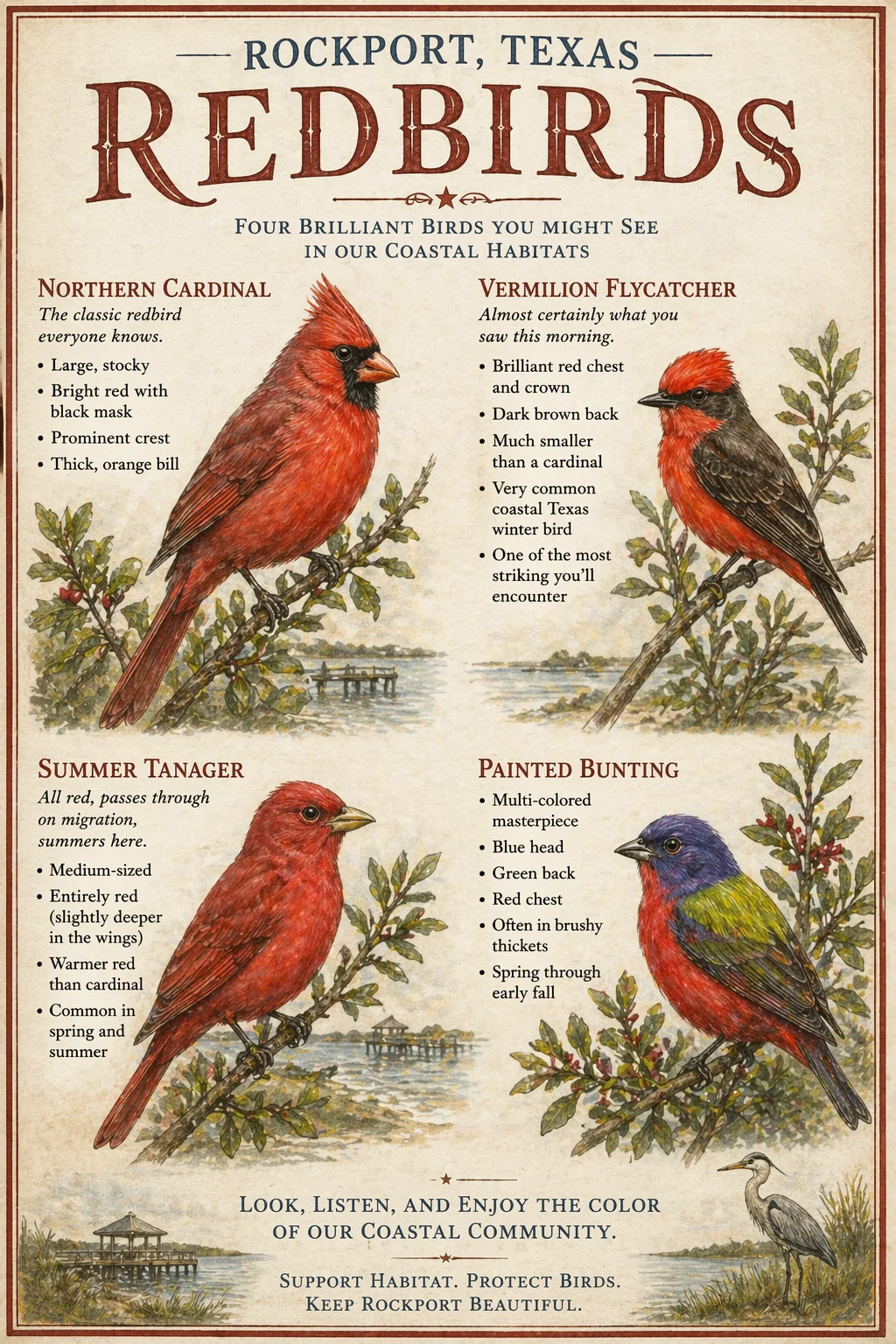
Red Birds of Texas
Cardinal, Vermilion Flycatcher, Painted Bunting — Rockport's red birds are some of the most striking songbirds in North America.
Learn More →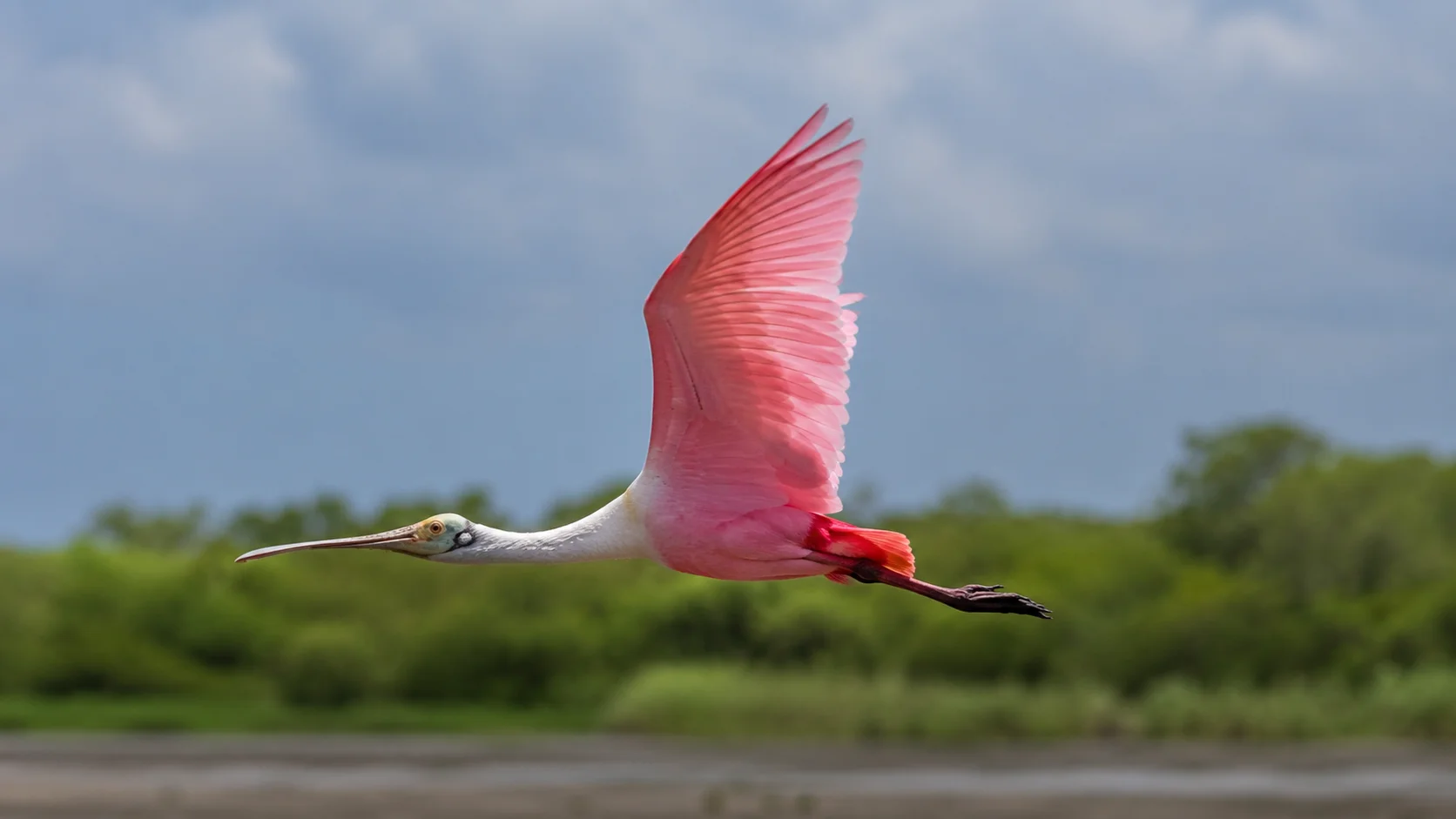
Pink Birds of Texas
Spotted something pink? Roseate Spoonbills, House Finches, Painted Buntings — your complete guide to pink-plumaged birds along the Texas Coast.
Learn More →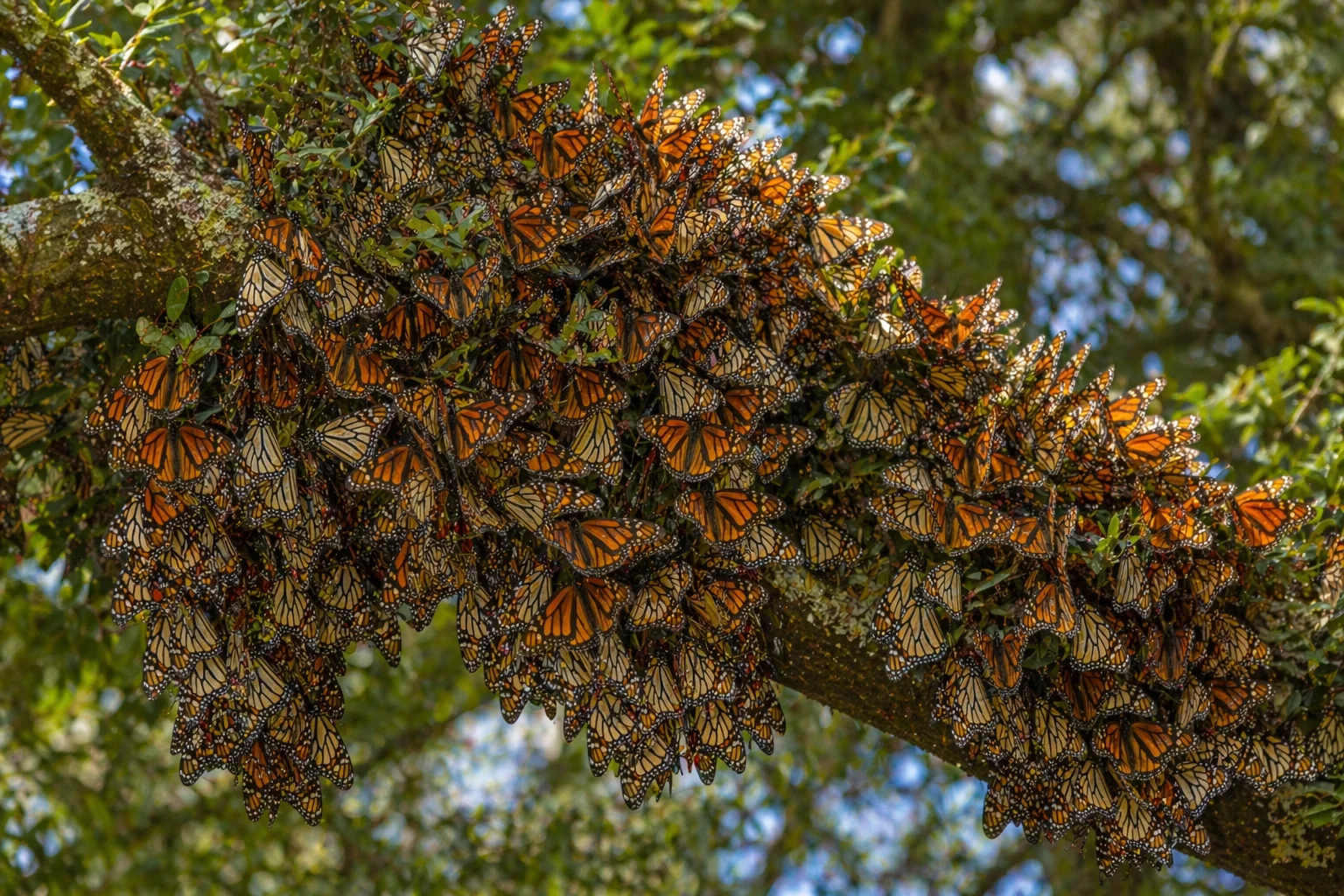
Monarch Butterfly
Every October, millions of Monarchs funnel through Rockport's live oaks on the way to Mexico. A spectacle that stops traffic.
Learn More →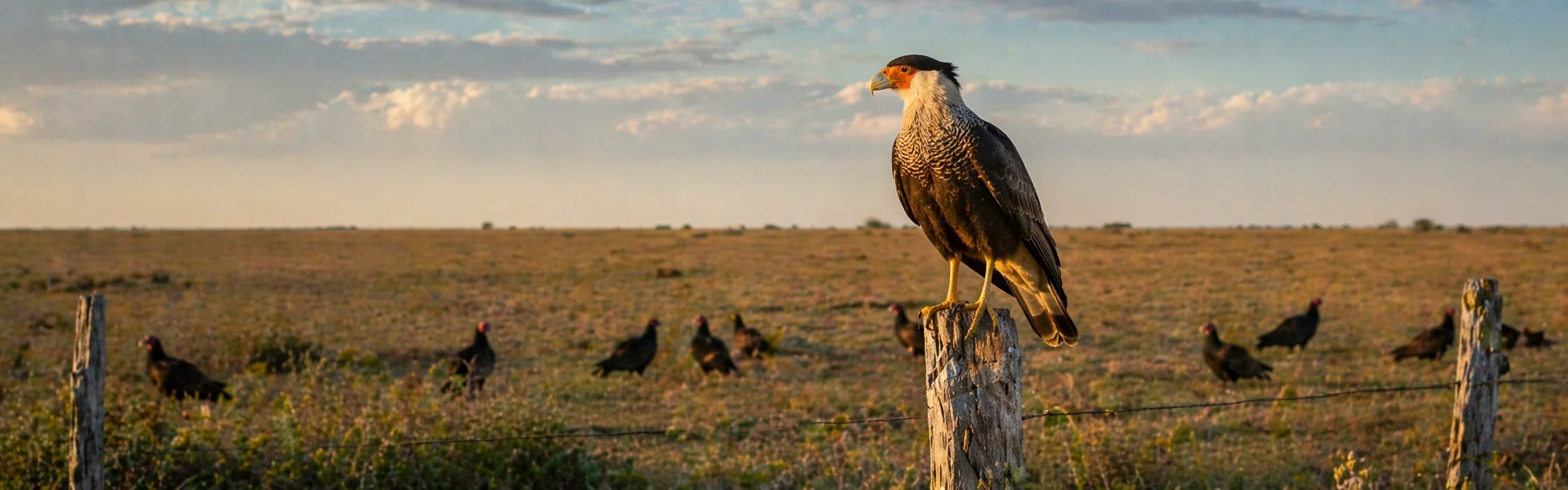
Crested Caracara
The national bird of Mexico and the bird most often mistaken for a Bald Eagle — a year-round resident of the Texas coastal prairie.
Learn More →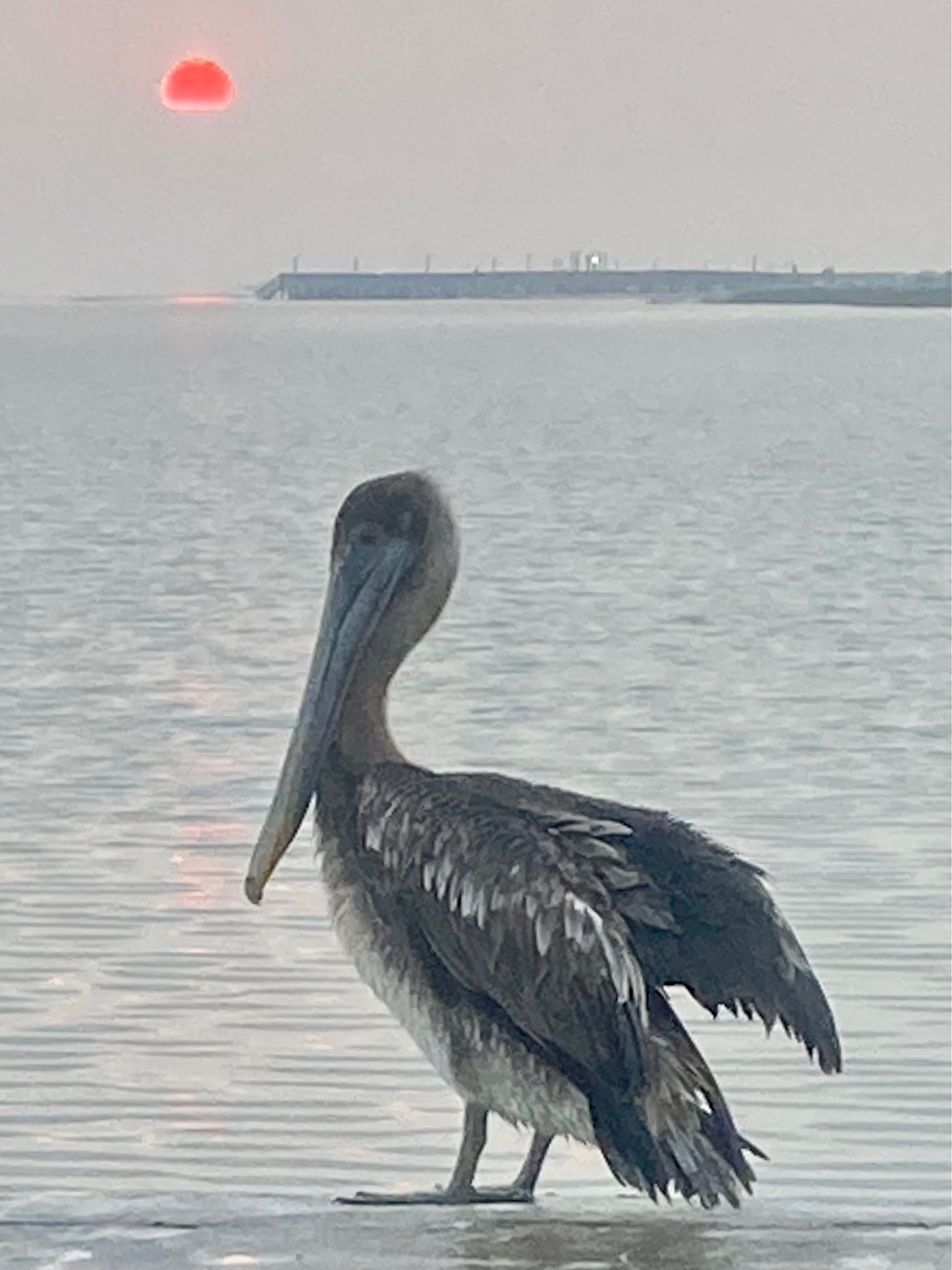
Brown Pelican
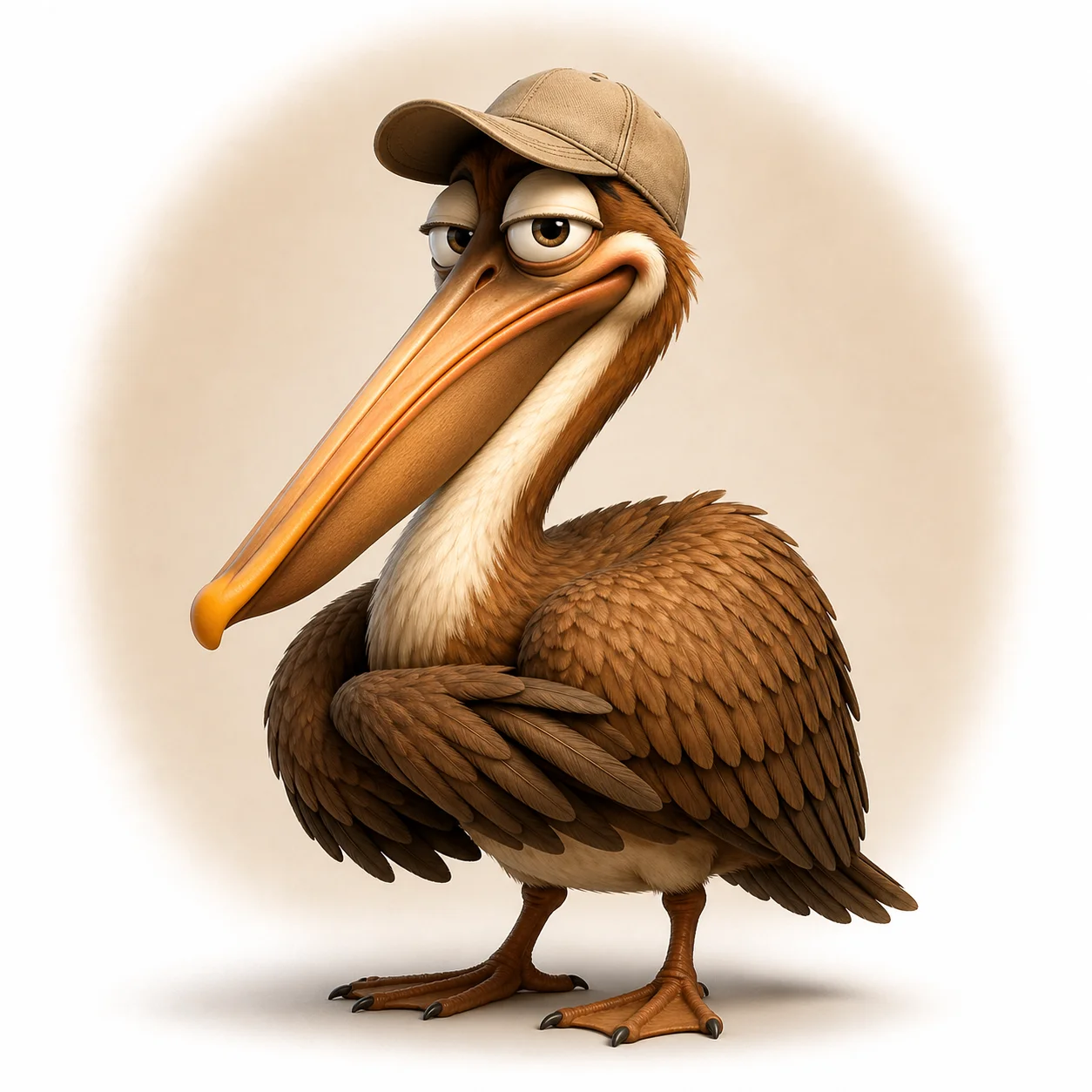
The only pelican that plunge-dives for fish — dropping from 60 feet at 40 mph. A conservation comeback story and year-round Rockport resident.
Learn More →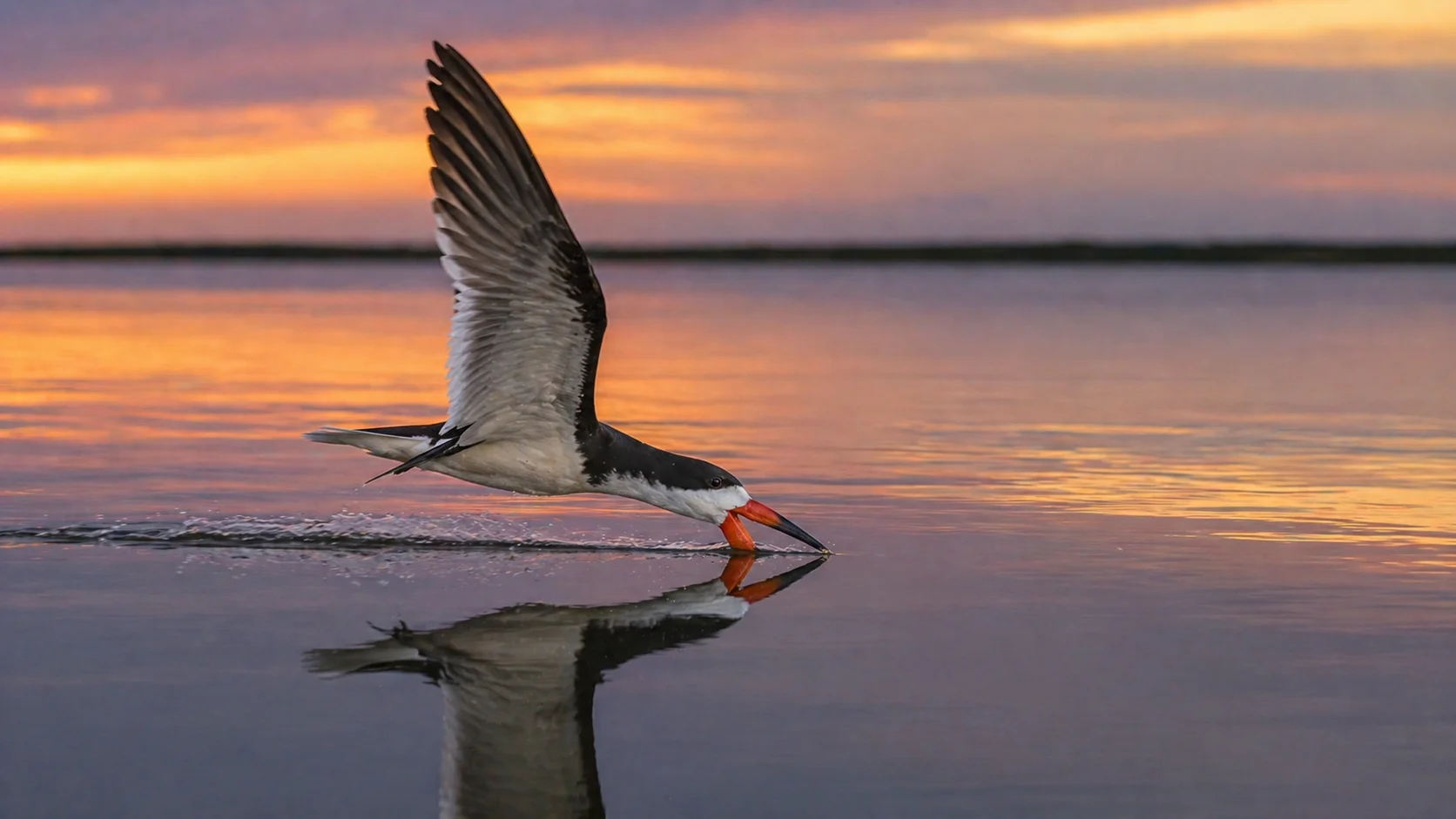
Black Skimmer
The only North American bird with a longer lower mandible — it hunts by touch, skimming calm bay water at dusk. Texas Threatened species.
Learn More →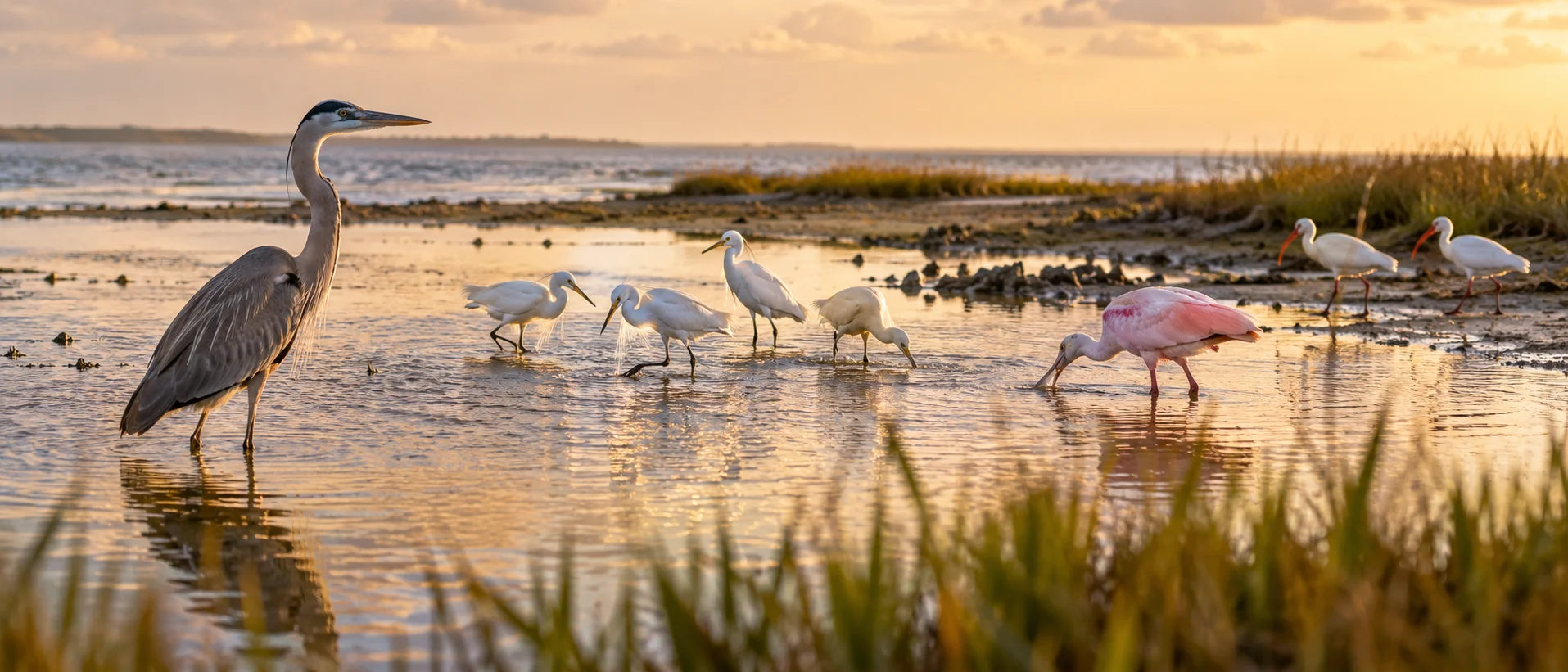
Wading Birds of Rockport
Great Blue Heron, Tricolored Heron, Little Blue Heron, Snowy Egret, and more — Rockport's shallow bays and marshes are some of the best wading bird habitat on the Gulf Coast.
Learn More →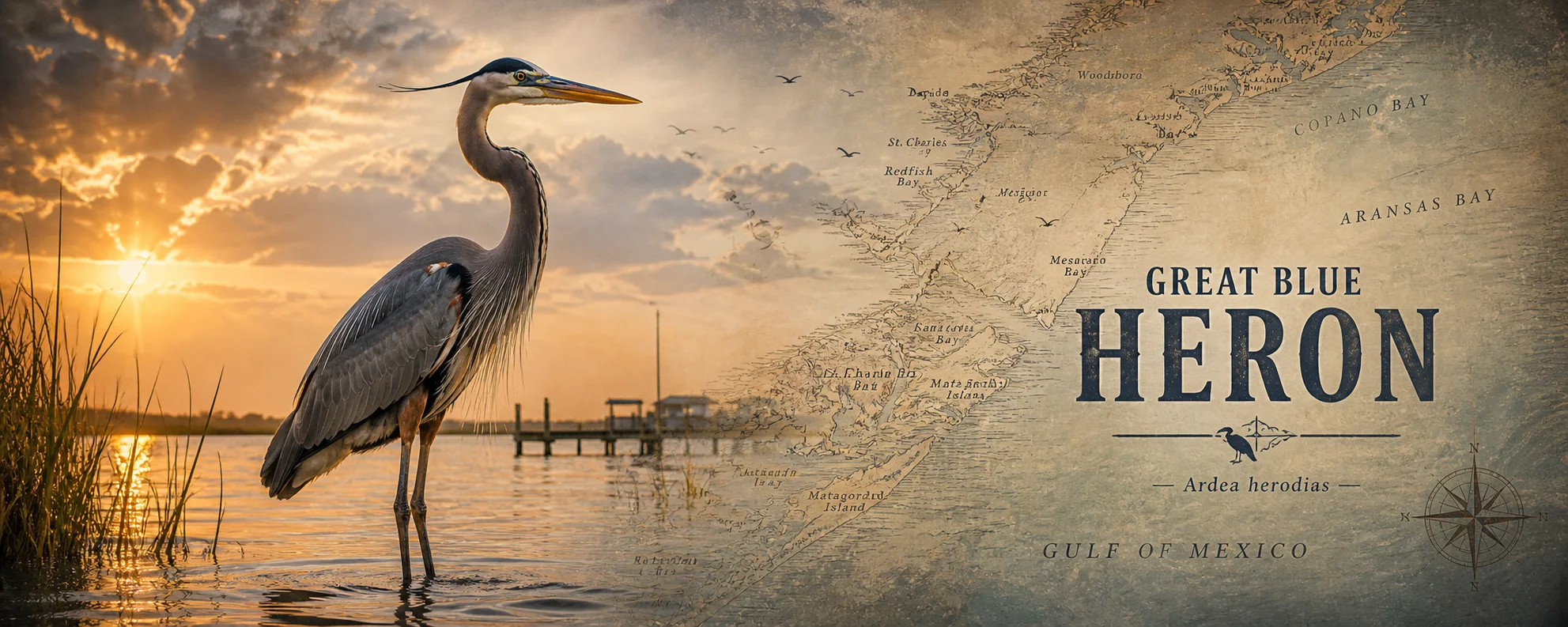
Great Blue Heron
The largest heron in North America — standing 4.5 feet tall with a 6-foot wingspan. A year-round Rockport resident found on every bay, marsh, and waterfront in Aransas County.
Learn More →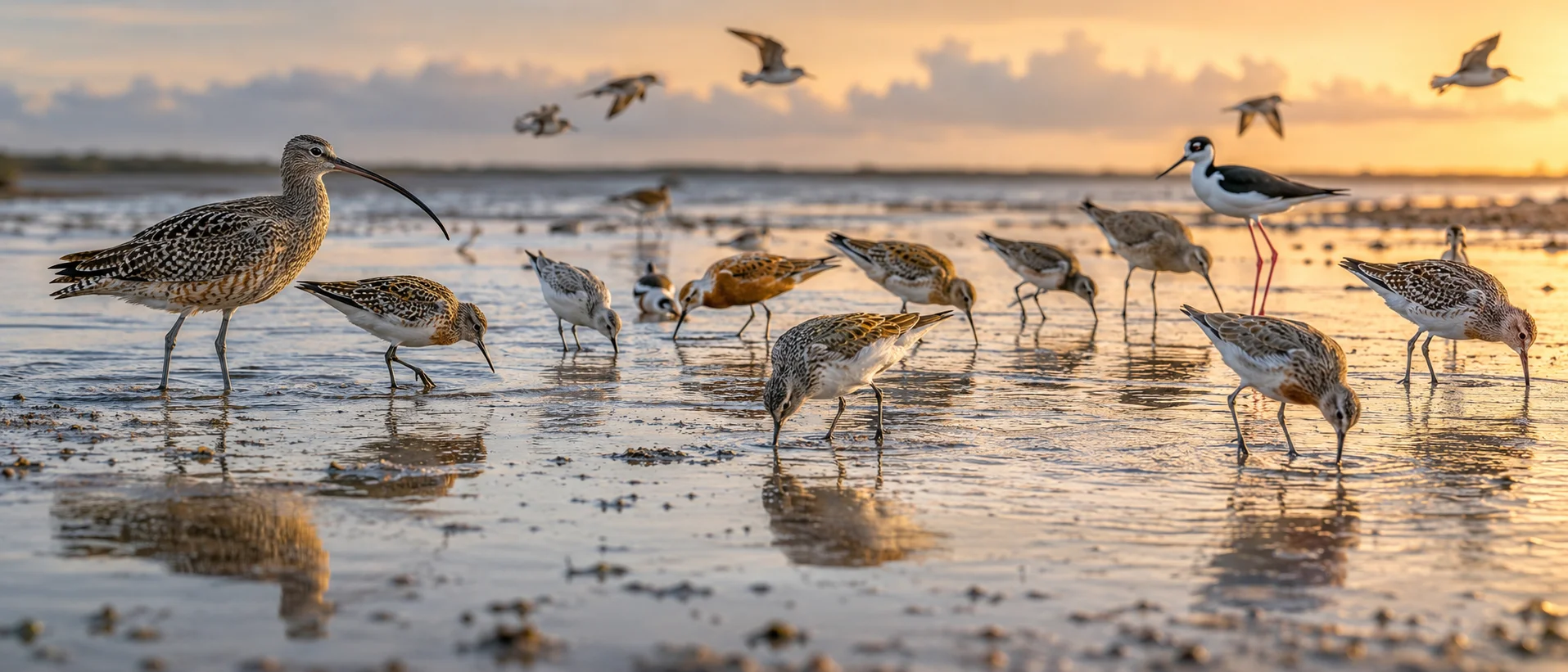
Shorebirds of Rockport
Willets, godwits, dowitchers, stilts, and more — Aransas Bay's tidal mudflats and sandy beaches host some of the best shorebirding on the Texas Gulf Coast.
Learn More →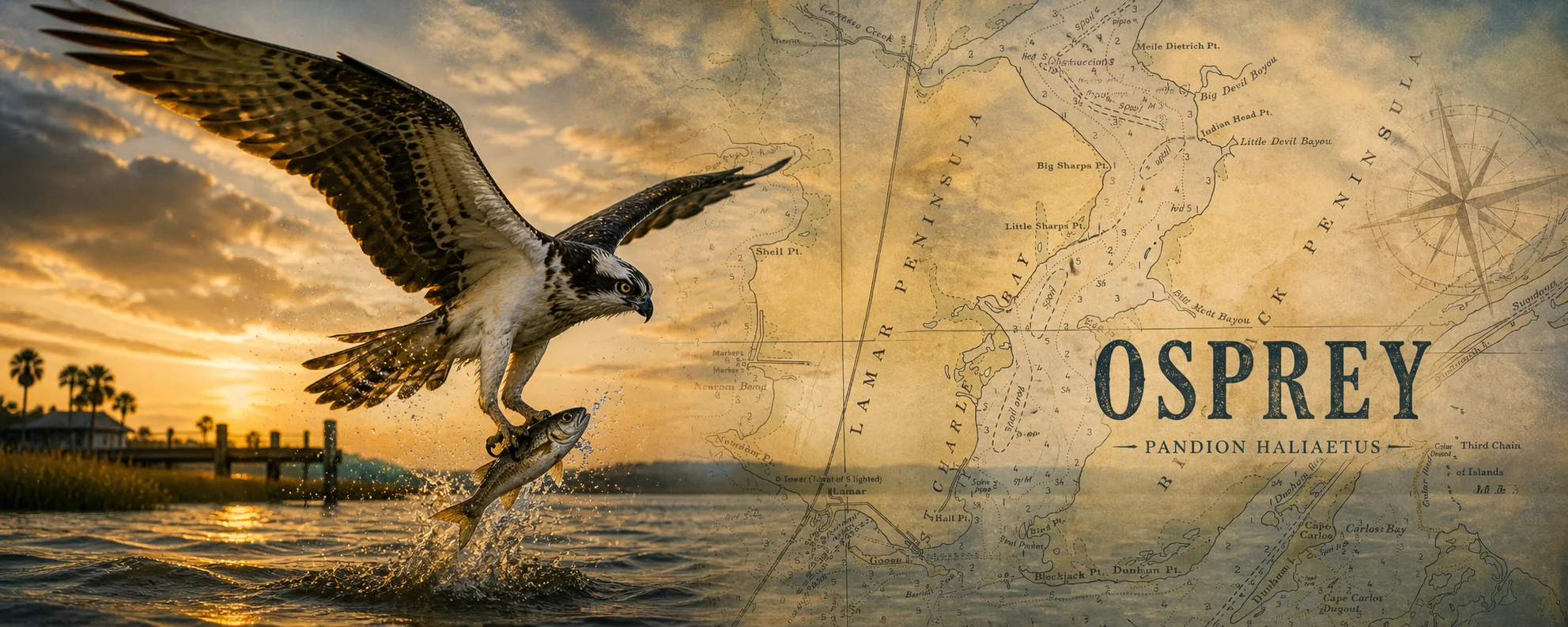
Osprey
The fish hawk of Aransas Bay — a precision diver that plunges feet-first from 30 to 100 feet up, rarely missing. One of the most-watched raptors on the Texas Coast.
Learn More →Nocs Provisions · Amazon Affiliate
The Right Optic Changes Everything
Compact, rugged, climate-neutral — built for birders who actually go outside.
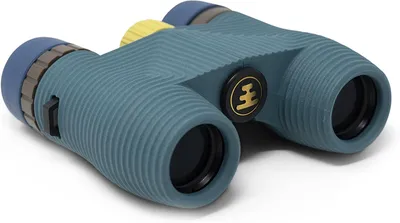
Binoculars
Standard Issue 10x25
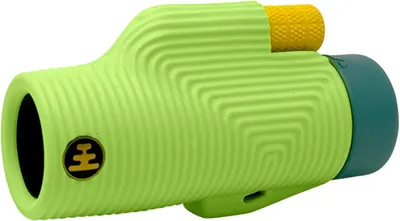
Monocular
Zoom Tube 8x32
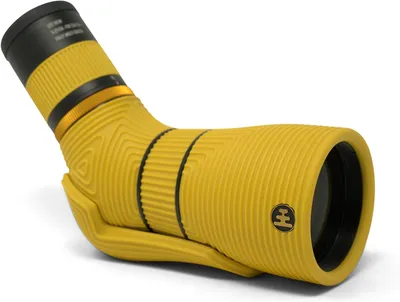
Spotting Scope
Lite View 9-27x56mm
As an Amazon Associate we earn from qualifying purchases.
See all Nocs products →Free App · Cornell Lab of Ornithology
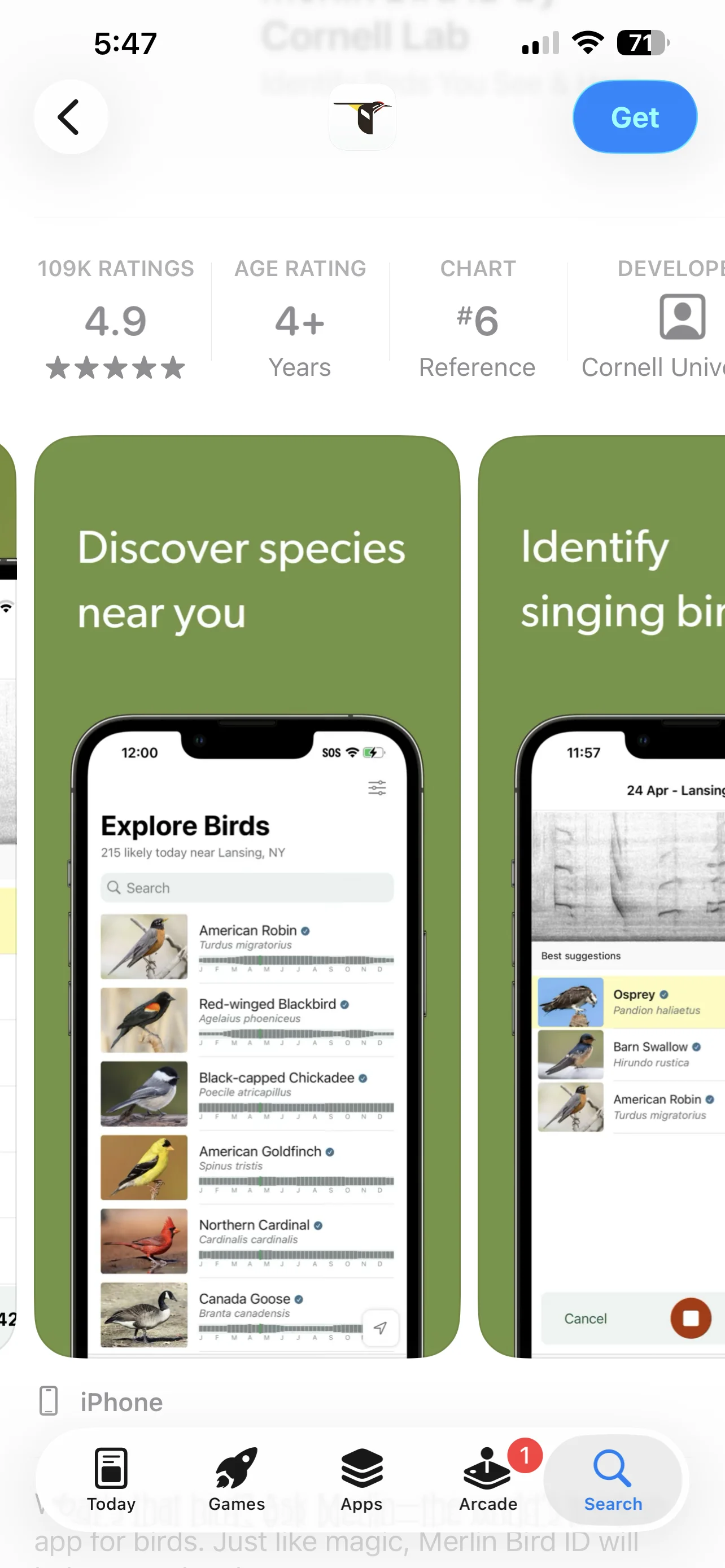
Merlin Bird ID — Know Every Bird You See or Hear
They Live Here Too
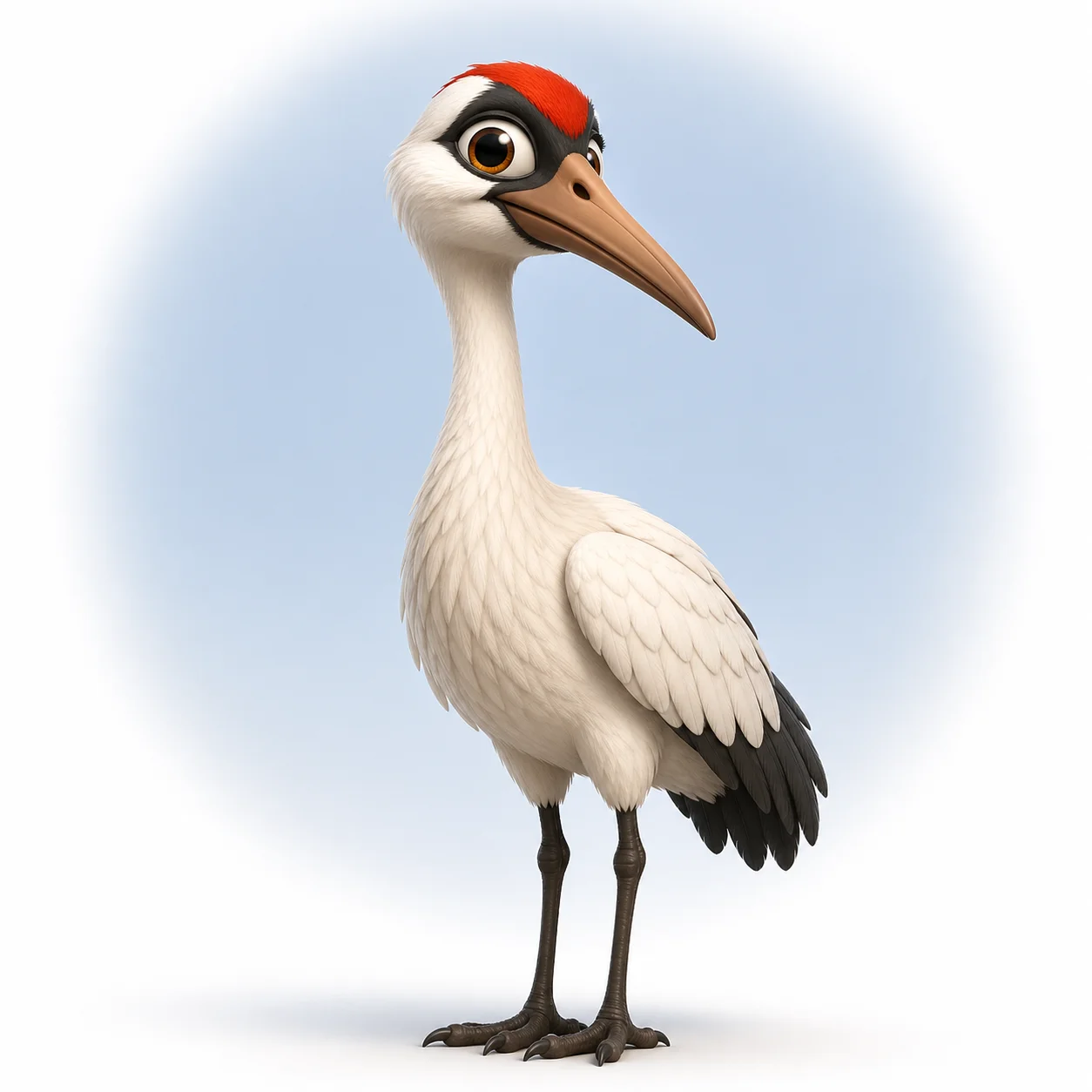
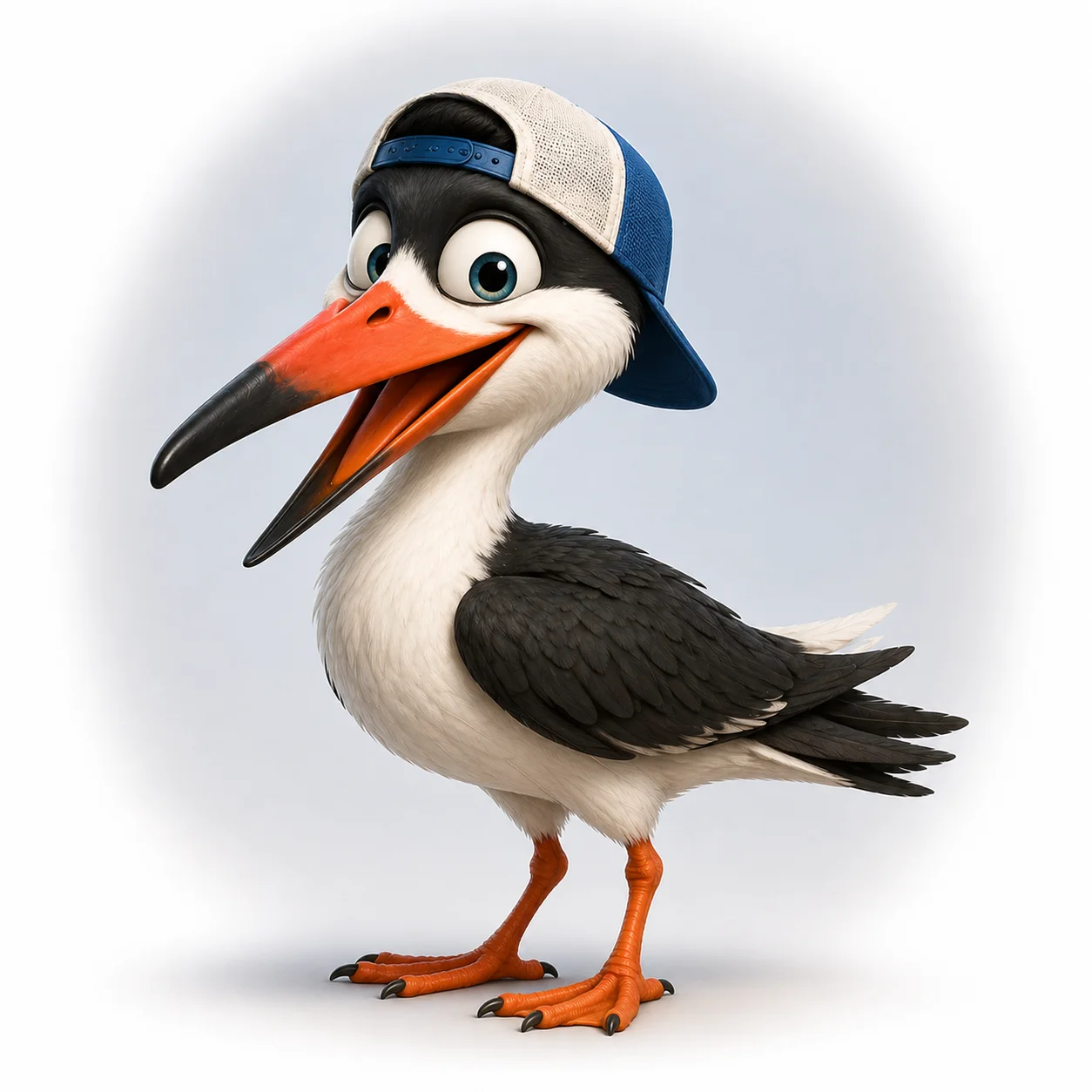
Meet the Coastal Crew
Five real Rockport birds with big personalities and even bigger attitudes. Find your spirit bird — then take it home.
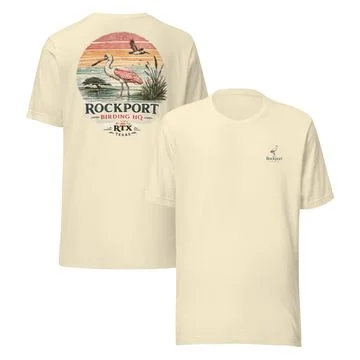
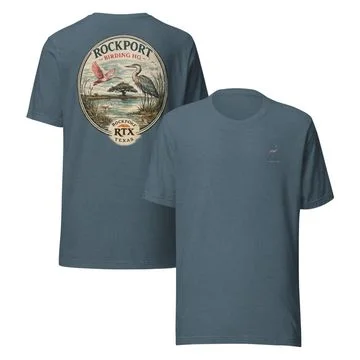
Rockport Birding HQ
Wear
Rockport
Premium Bella+Canvas 3001.
Ships direct from Printful.
Native Plants & Habitat
The Plant That Feeds the Birds
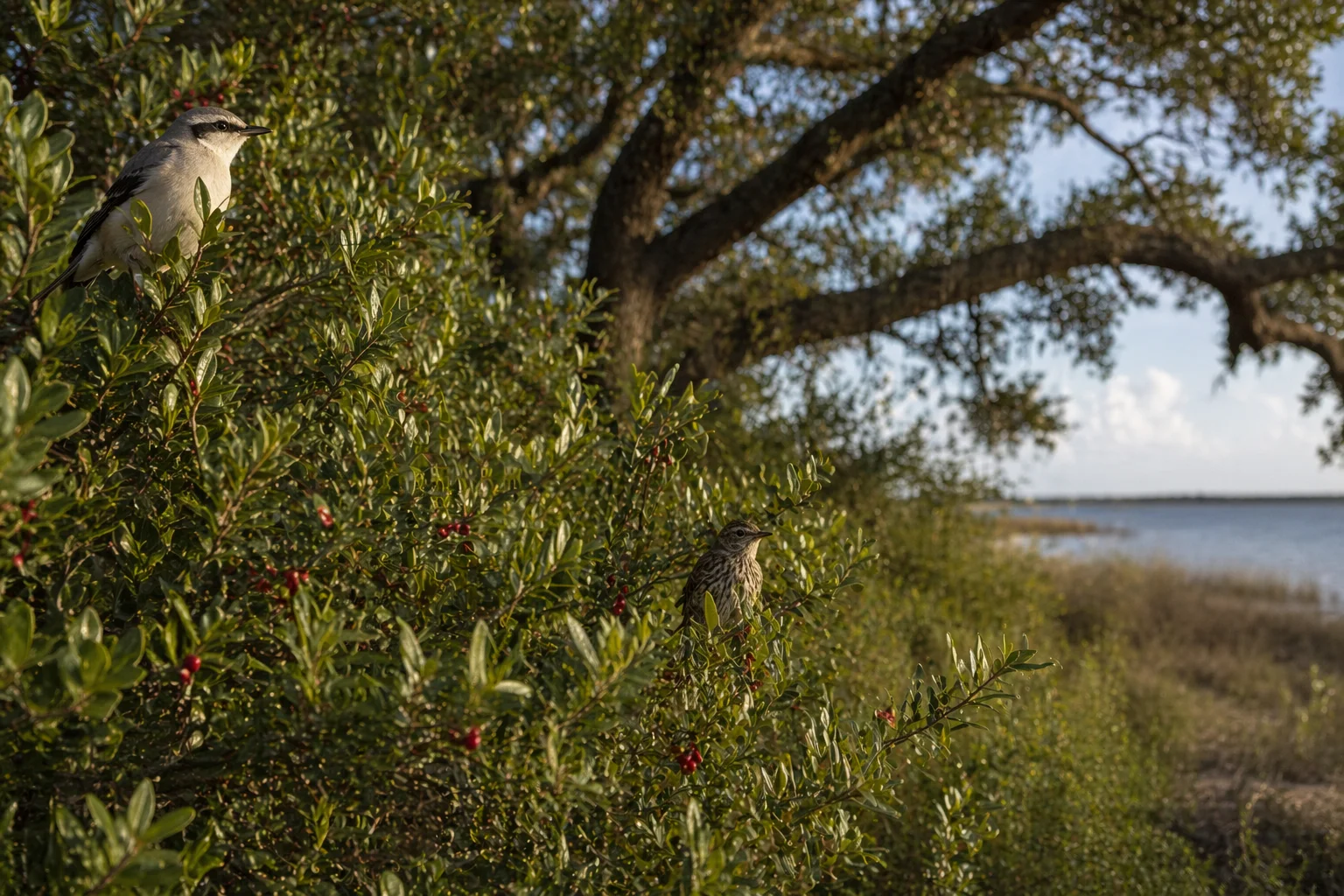
The Yaupon Holly — native to coastal Texas and the only caffeinated plant in North America — produces dense clusters of red berries that Cedar Waxwings, American Robins, and Mockingbirds flock to every winter. Understanding native plants is understanding why the birds are here.
Yaupon was once exported to England as Cassina Tea, threatening the British tea trade — until botanists gave it the unforgettable Latin name Ilex vomitoria to kill demand. It tastes remarkably good.
Explore Yaupon & Native Plants →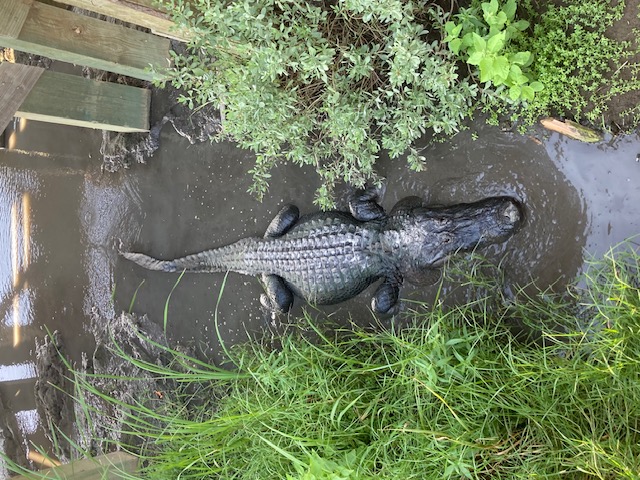
Wildlife Note
Alligators Are Real Here
American Alligators share the freshwater marshes and wetland edges with the birds. They’re a healthy sign of a functioning coastal ecosystem — and a reminder to stay on designated paths near the water. Most birding areas around Aransas County have resident gators year-round.
Ready to See Them in Person?
Plan your Rockport birding trip with our complete guide — best seasons, birding spots, where to stay, and guided tour options.