Texas Coast · Year-round
Bird Photography Tours
The Texas coast is one of the finest bird photography destinations in North America. Shallow-draft boats with purpose-built photography decks — plus captains who understand light, positioning, and the birds’ behavior — make all the difference.
Why a Photography Charter Changes Everything
Shore-based photography on the Texas coast is limited by one thing: distance. The birds are out there — in the marsh, on the tidal flats, in the backwater coves — but a wire fence, private land, or just 200 yards of open water puts them out of meaningful telephoto range.
A shallow-draft flat-bottom boat changes the physics of the problem. Floating at 10 inches of draft, it moves silently through backwater habitat and approaches wildlife at angles that eliminate harsh light and background clutter. Multi-level photography decks — two and three tiers high — give you different angles on the same subject: eye-level with a wading crane, elevated above a spoonbill feeding in glare-free shadow.
The best photography captains on Aransas Bay understand golden hour, the difference between rim light and flat light, and which tide conditions put the birds in the best positions. They depart early to catch first light and position the boat so you’re shooting with the sun behind you — not into it.
What Makes a Great Photography Charter
Flat-bottom boats floating at 10 inches reach backwater habitat completely inaccessible to conventional bay boats. This is where the cranes, spoonbills, and herons actually live — not visible from the main bay.
Two and three-tier photography decks give you different angles on the same subject — eye-level with a wading crane or elevated above a spoonbill in the shallows. More perspectives per bird encounter.
Golden hour on the bay is everything. A captain who departs before sunrise and positions you with the light at your back turns a good shot into a portfolio image. Ask what time they typically launch.
Fewer passengers means more deck space, quieter approach, and more flexibility to reposition for the best angle. Private charters or small groups of 4–6 are standard for serious photography work.
What You’ll Photograph
Whooping Cranes
Nov – AprilThe holy grail of Texas coast wildlife photography. Five-foot-tall white birds with six-foot wingspans, in their natural habitat. Backwater access means you're positioned for intimate portraits, not distant white specks.
Roseate Spoonbills
Year-round (peak summer)The most photogenic bird on the Texas coast — brilliant hot pink plumage, spatula bill, and zero fear of boats. They feed by sweeping their bills side to side in shallow water, giving you sustained close-range shooting time.
Great Blue Herons & Egrets
Year-roundAlways present, always photogenic — and surprisingly tolerant of a slow-moving boat. Great Blues in breeding plumage, Snowy Egrets with their golden feet, Great Egrets with back plumes: the backwaters are full of them.
Shorebirds
Spring & fall migrationBolivar Flats near Galveston and the Aransas tidal flats host massive shorebird congregations during migration — Dunlin, Dowitchers, Godwits, and Avocets in tight flocks on open sand.
Brown Pelicans
Year-roundCharismatic, dramatic, and everywhere. Pelicans diving from 30 feet is a spectacle — catch the folded-wing plunge with burst mode. Roosting birds on channel markers provide easy close-range portraits.
Painted Buntings
Spring migration (April–May)The most colorful bird in North America, bar none. Breeding males look like someone painted them with all four primary colors simultaneously. They stop along the coast during spring migration — Connie Hagar Sanctuary is a reliable spot.
What to Bring
- · 400–600mm telephoto lens (minimum 400mm)
- · Mirrorless or DSLR with fast burst mode (10+ fps)
- · Bean bag or gimbal head (no tripods on boats)
- · Polarizing filter for water glare reduction
- · Extra batteries — cold mornings drain them fast
- · Waterproof bag or rain cover for gear
- · Polarized sunglasses (reduces water glare)
- · Layers — mornings on the bay can be cold
- · Sunscreen and hat for afternoon trips
- · Water and snacks (bring more than you think)
- · Binoculars to spot subjects before positioning
- · Motion sickness medication if needed
Nocs Provisions · Amazon Affiliate
The Right Optic Changes Everything
Compact, rugged, climate-neutral — built for birders who actually go outside.
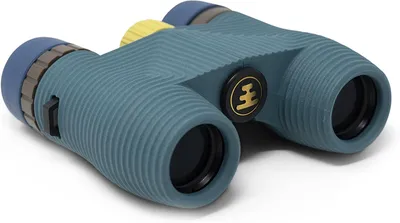
Binoculars
Standard Issue 10x25
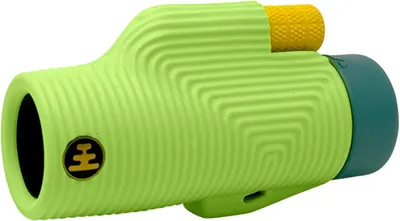
Monocular
Zoom Tube 8x32
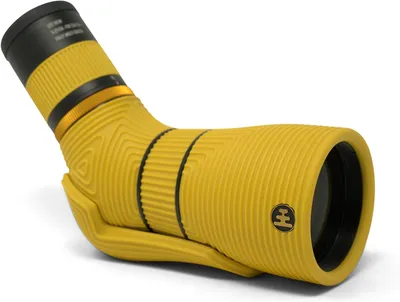
Spotting Scope
Lite View 9-27x56mm
As an Amazon Associate we earn from qualifying purchases.
See all Nocs products →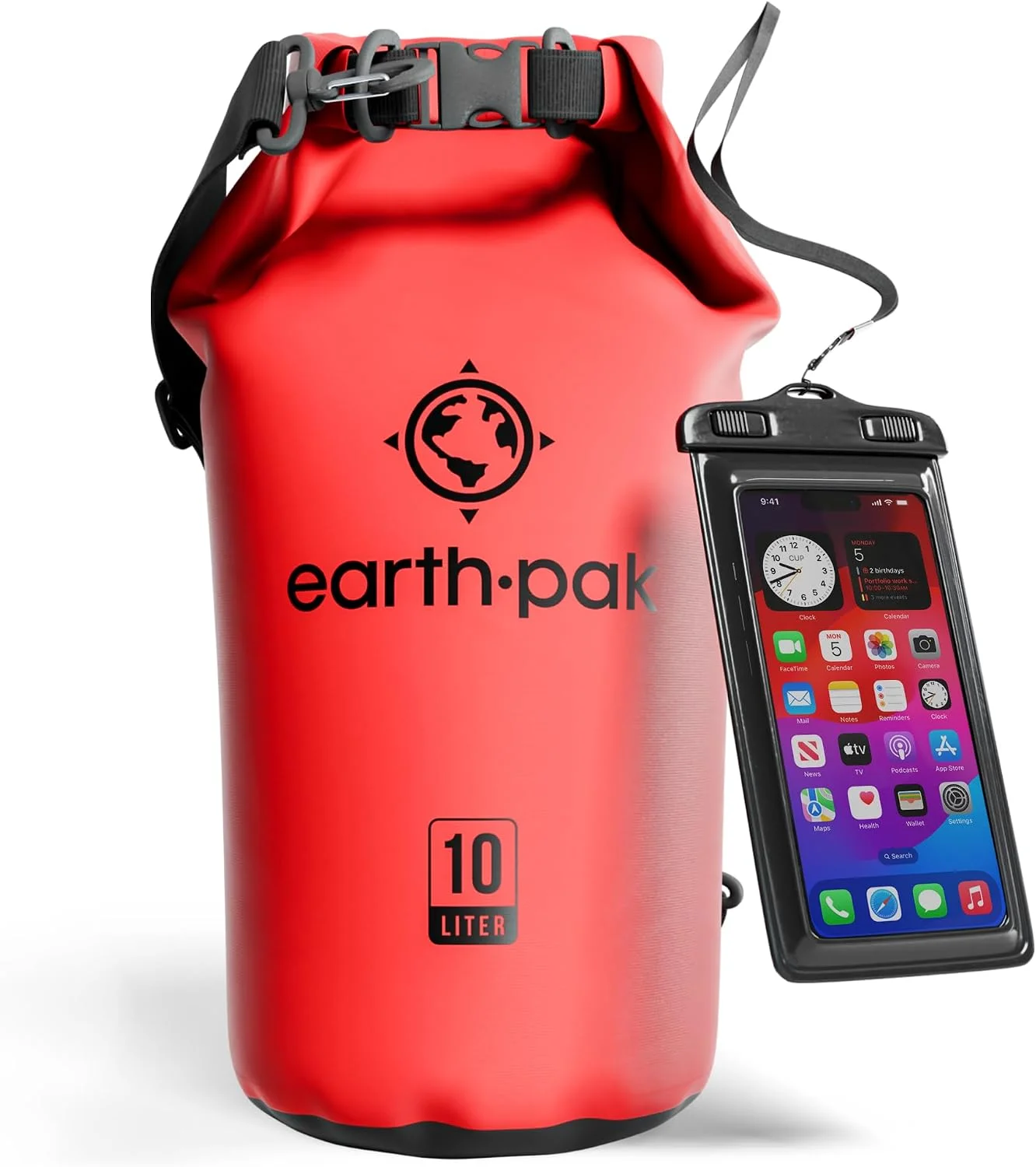
Dry Bag · Amazon
Earth Pak 10L Waterproof
Keeps camera and optics dry on the bay
~$21 → Amazon

Bug Protection · Amazon
Sawyer Picaridin Spray
DEET-free — safe for lenses & rubber eyecups
~$11 → Amazon
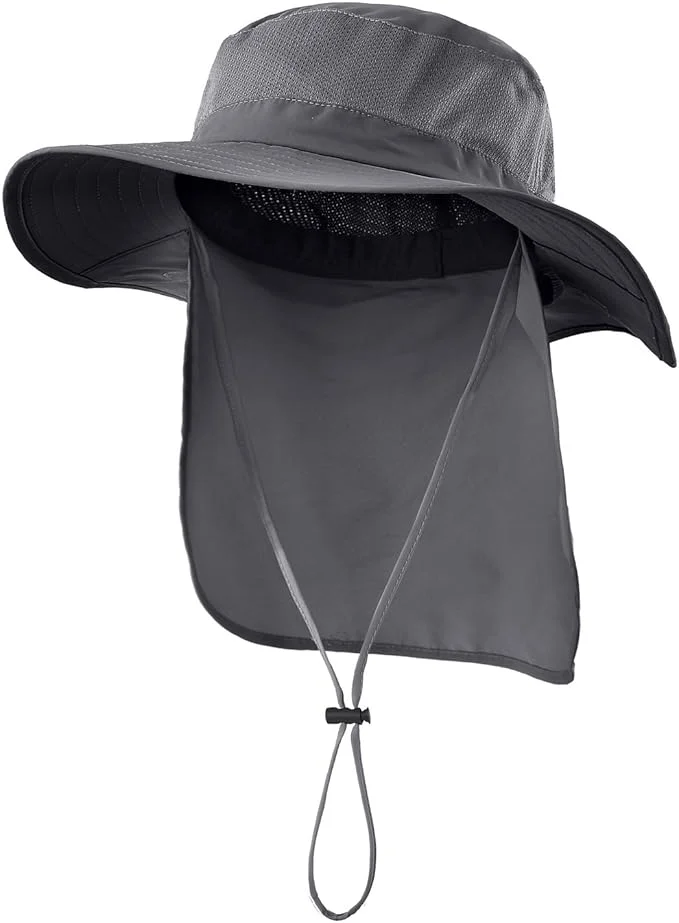
Sun Protection · Amazon
UPF 50+ Wide Brim Sun Hat
Texas coast sun is not optional on the water
~$17 → Amazon
As an Amazon Associate we earn from qualifying purchases.
Book a Photography Charter Online
Secure your spot instantly — no phone tag, instant booking confirmation.
Aransas Bay · Rockport
Captain Chase
Secure booking · Instant confirmation · 30-day cancellation