
Spring Migration · Texas Gulf Coast
Fallout Morning Birding
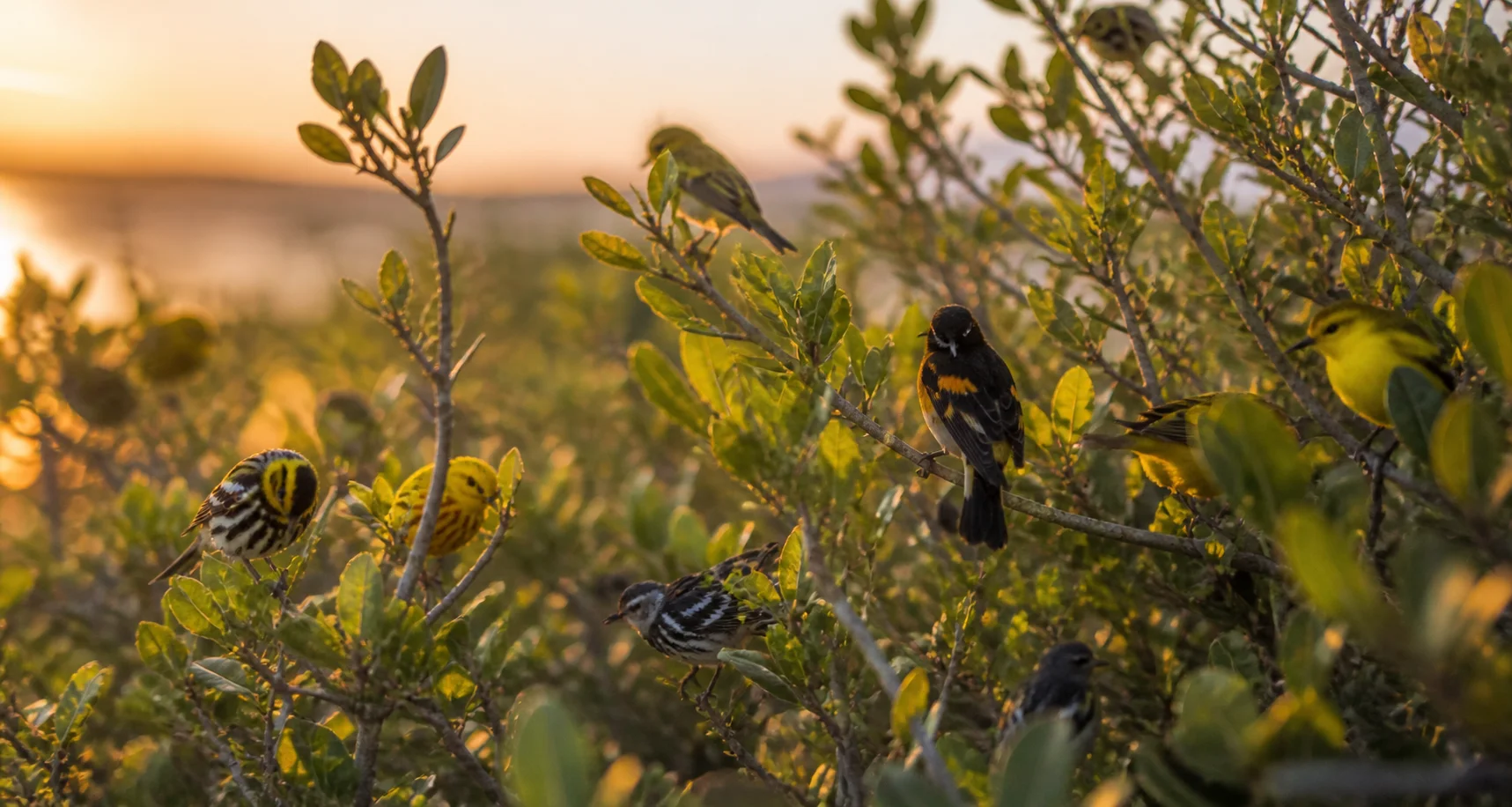
When exhausted songbirds drop from the sky after 500 miles of open water, the Texas coast is their first landfall. And Rockport’s live oaks are where they land.
The Phenomenon
What Is a Fallout Morning?
Every spring, hundreds of millions of neotropical songbirds — warblers, tanagers, orioles, buntings, grosbeaks — make their way north from Central America and the Yucatán Peninsula. The fastest route crosses the Gulf of Mexico directly: 500 miles of open water with no place to land, no food, and no rest.
Most birds make this crossing overnight. They depart the Yucatán after dark, fly through the night, and arrive on the Texas coast at dawn — exhausted, dehydrated, and desperately hungry. Under ideal conditions, a tailwind pushes them north and they arrive in good shape.
But when a cold front pushes south and turns their tailwind into a headwind — that’s when the fallout happens.
Birds fighting a headwind burn through their fat reserves faster. Some run out of energy entirely and drop into the first trees they can reach. What you find on those mornings is almost impossible to describe: trees dripping with birds so exhausted they barely move. A single live oak can hold 20 species at once. A warbler lands on your boot and stays there. A Scarlet Tanager sits at eye level, breathing hard, too tired to care that you’re six inches away.
The Real Cost of Migration
Not Every Bird Makes It
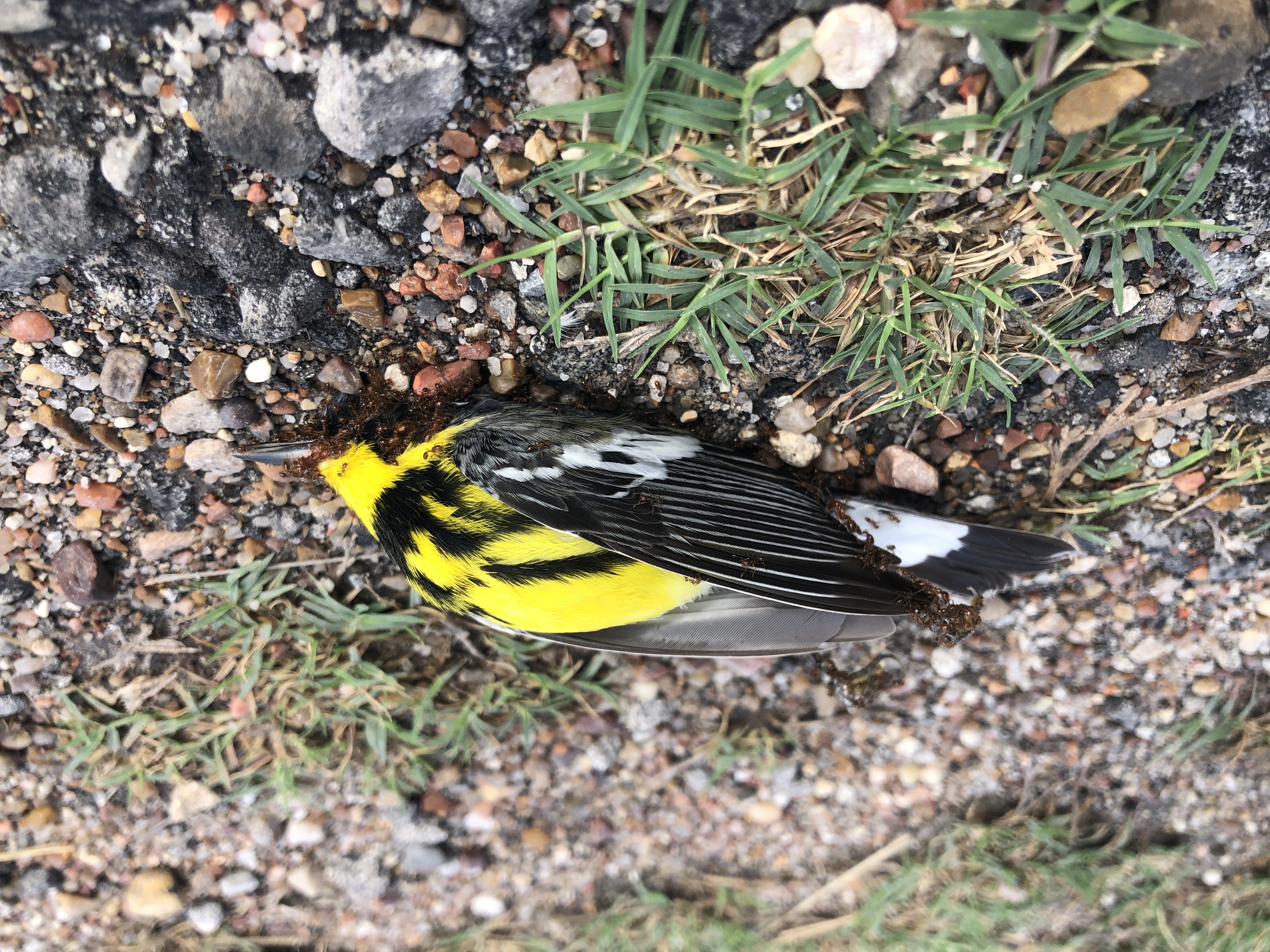
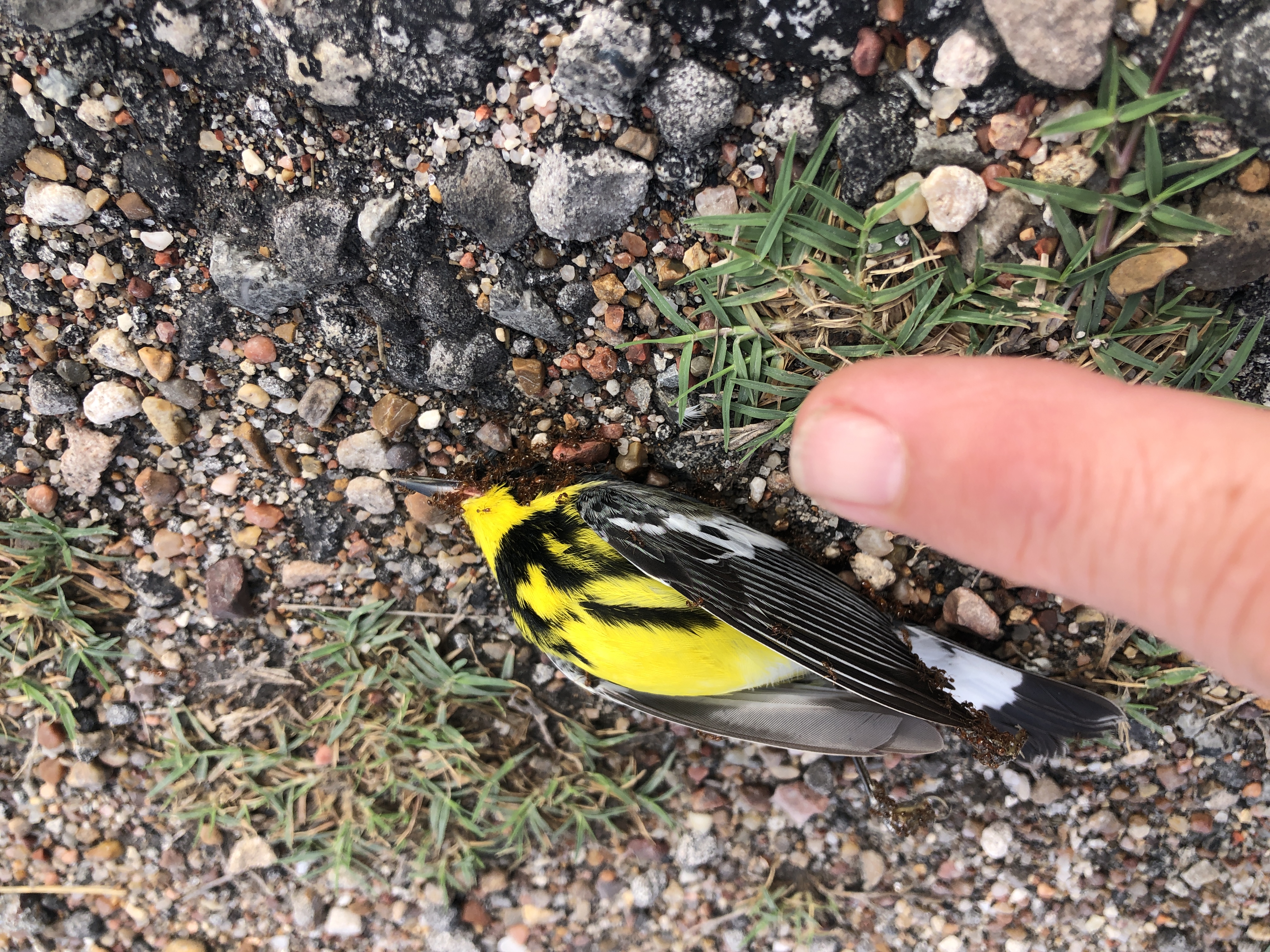
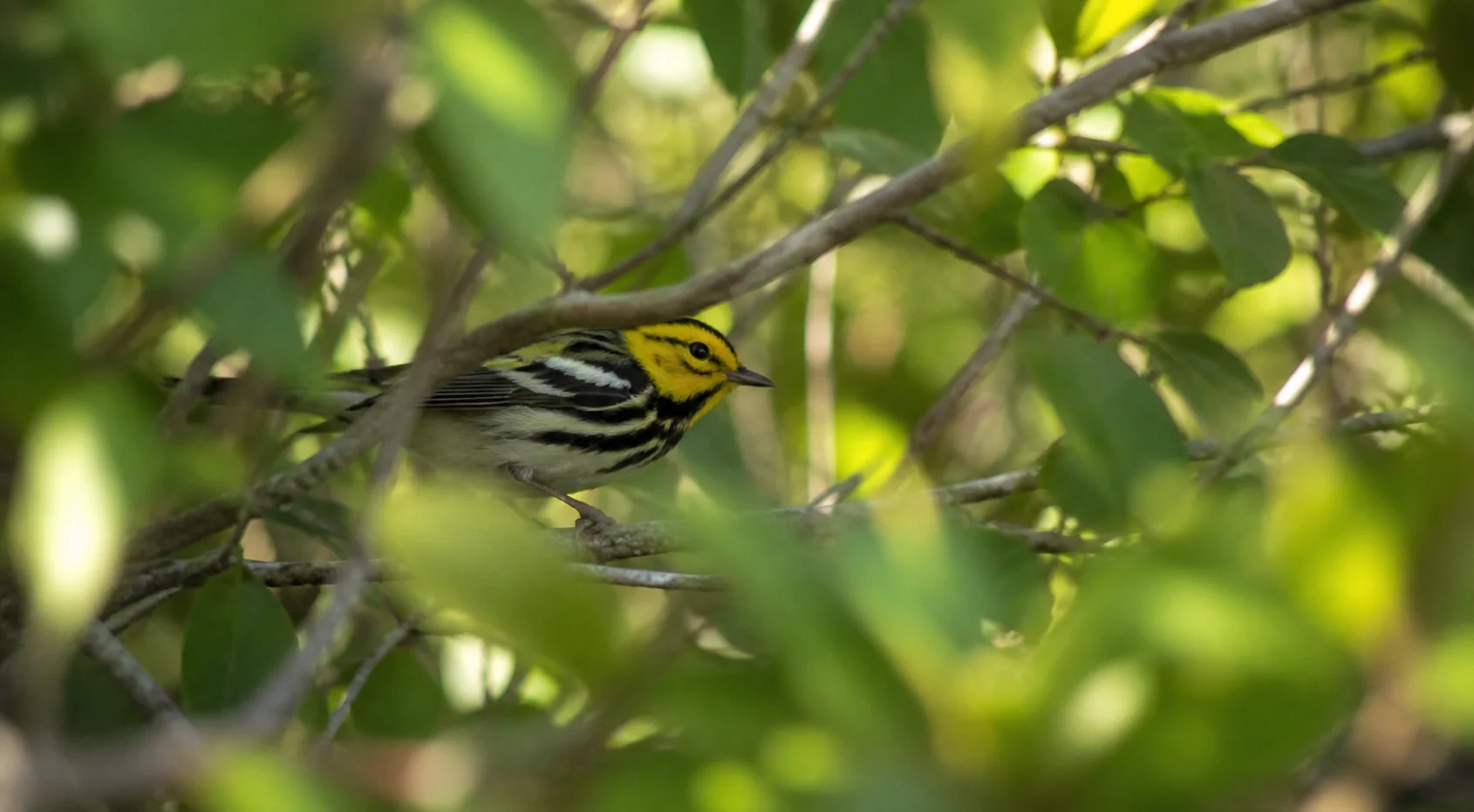
This Black-throated Green Warbler didn’t make it. Found on the ground in Rockport — a bird that weighs less than a AA battery, dead after crossing 500 miles of open ocean.
During severe fallouts, you find birds on sidewalks, parking lots, and storefronts. Not all of them are resting. The ones that make it to the live oaks are the lucky ones — which is exactly why Rockport’s native habitat is not just beautiful. It is a lifeline.
Where To Be
Best Fallout Spots in Rockport
Connie Hagar Cottage Sanctuary
1429 S. Church St., Rockport
The most famous fallout spot on the Texas coast. Dense live oak canopy, drip stations, and benches right under the branches. Birds are too tired to fly away. This is ground zero.
Linda Castro Nature Sanctuary
4041 Hwy 35 N
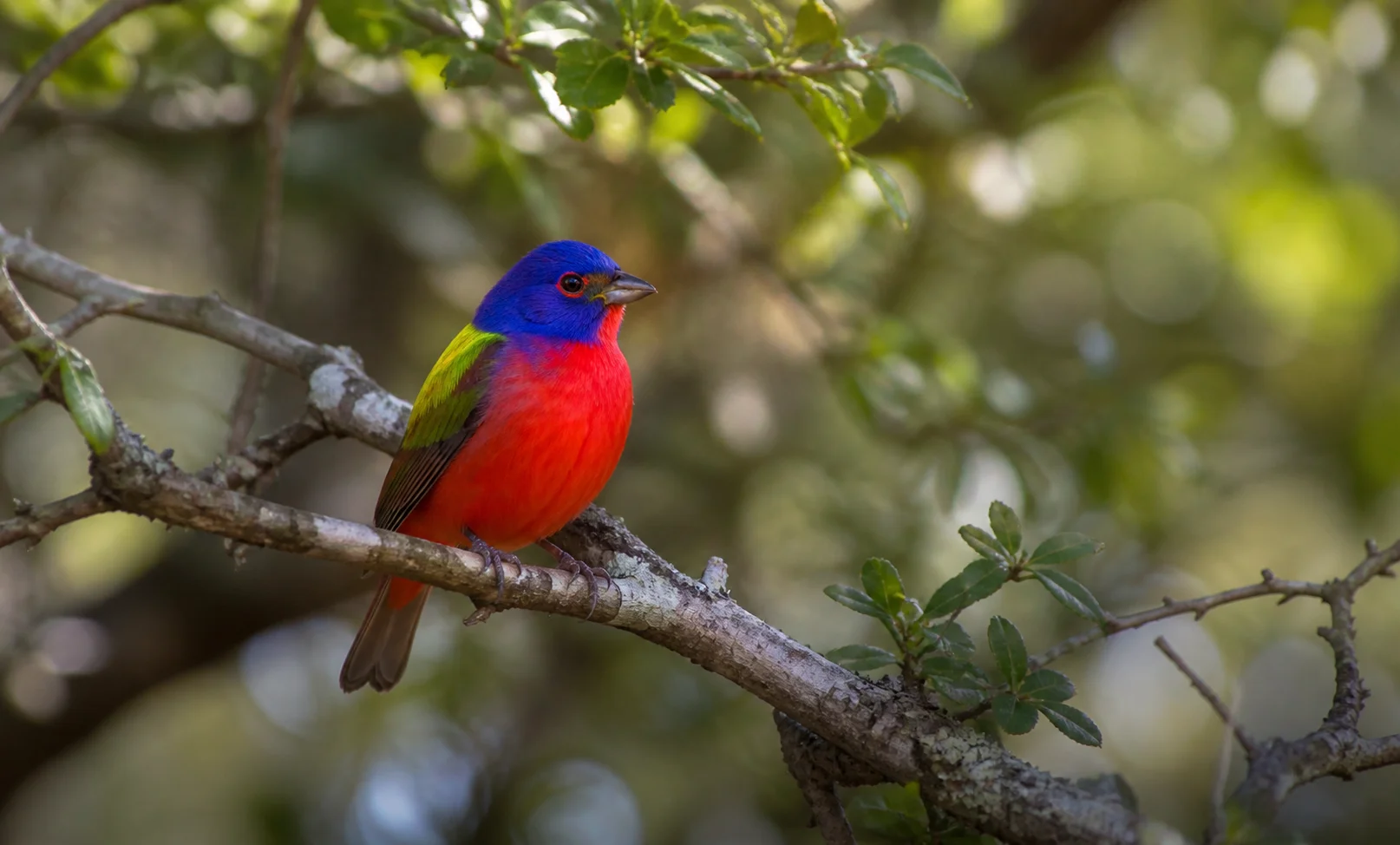
Live oak motte, coastal prairie, and an ephemeral pond — three habitats in one stop. Painted Buntings and orioles pile into the oaks. Free, open daily.
Tule East Boardwalk
2601 Hwy 35 N
0.8-mile wetland boardwalk. Thrushes and vireos fill the understory after a heavy fallout. The boardwalk puts you at eye level with the canopy.
Ivy Lane
499 Ivy Lane
Dense, quiet woodland that rarely gets crowded even during events. A fallout here stays secret longer — which means the birds do too.
How to Predict One
Reading the Weather
Watch for northers in April–May. A cold front pushing south from Texas during peak migration is your best predictor. Birds that departed the Yucatán expecting a tailwind suddenly find themselves fighting headwinds over open water.
Check radar the night before. Weather radar can actually show the migration itself — a bloom of returns appearing over the Gulf around midnight is birds in flight. If that bloom stalls or reverses, prepare for a fallout at dawn.
Rain is your friend. Rain on the coast forces birds down even faster. A rainy morning after a clear migration night can produce the most extraordinary concentrations.
Window: April 20 – May 10 is the highest-probability fallout window for the Texas coast, coinciding with peak warbler, tanager, and oriole migration.
Morning of a Fallout — Tips
- ✦Arrive at first light — birds are most concentrated and most approachable at dawn
- ✦Move slowly and stay quiet — sudden movement flushes birds that haven't recovered yet
- ✦Look down as well as up — exhausted birds often sit on the ground
- ✦Check every live oak, cedar, and brush pile — even a parking lot tree can hold 10 species
- ✦Bring water for yourself — you'll spend 4–6 hours barely moving
- ✦Set up your eBird checklist before you go — the species count will be extraordinary
What You Might See
Species in a Heavy Fallout
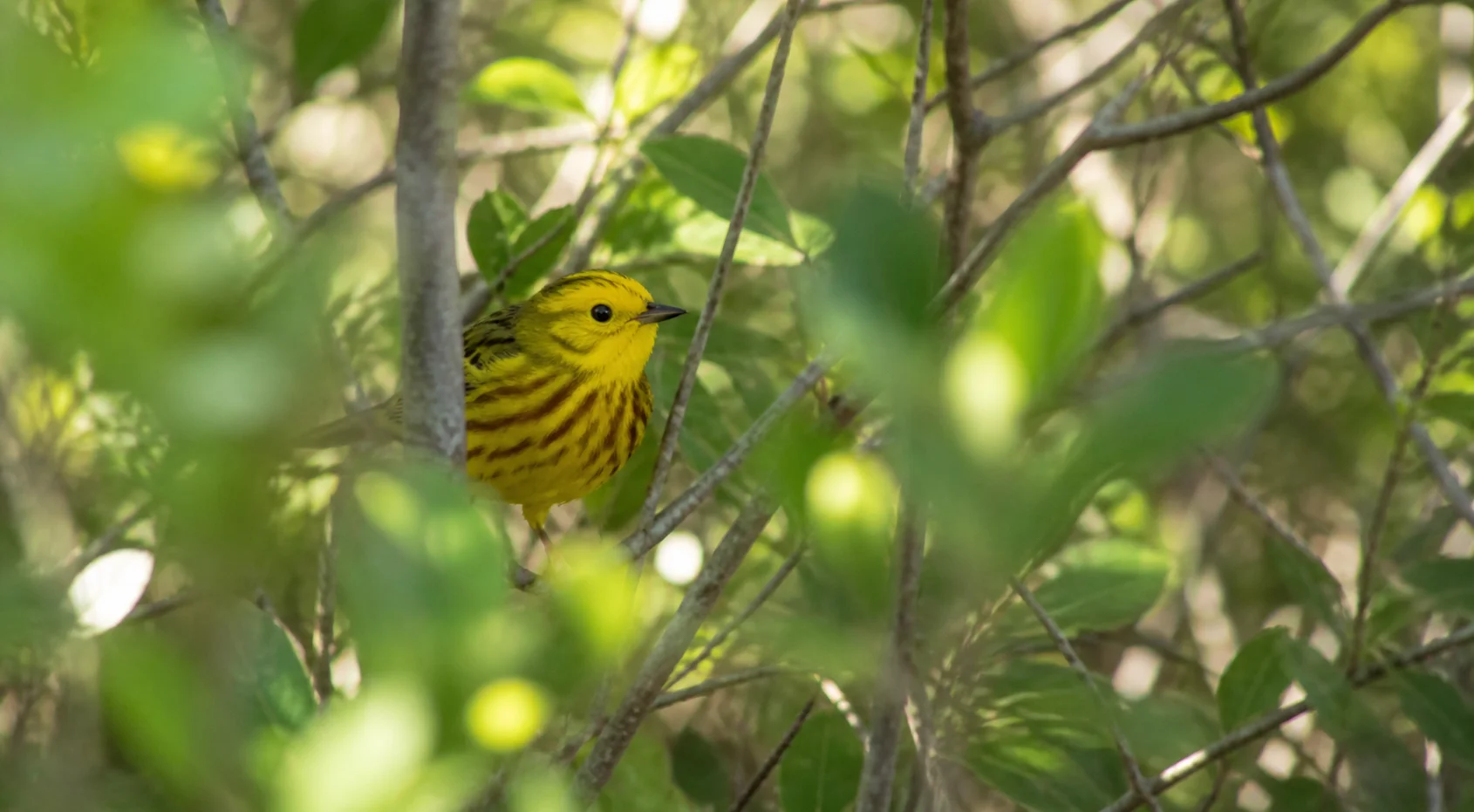
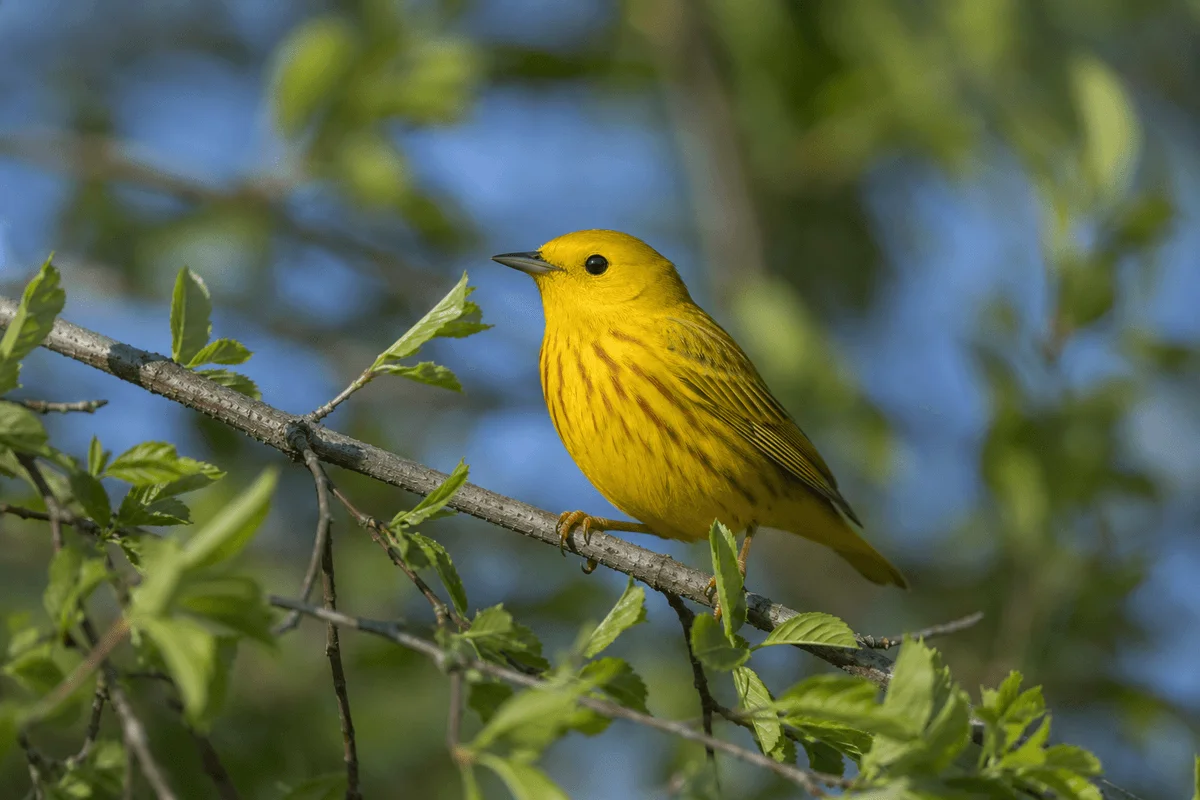
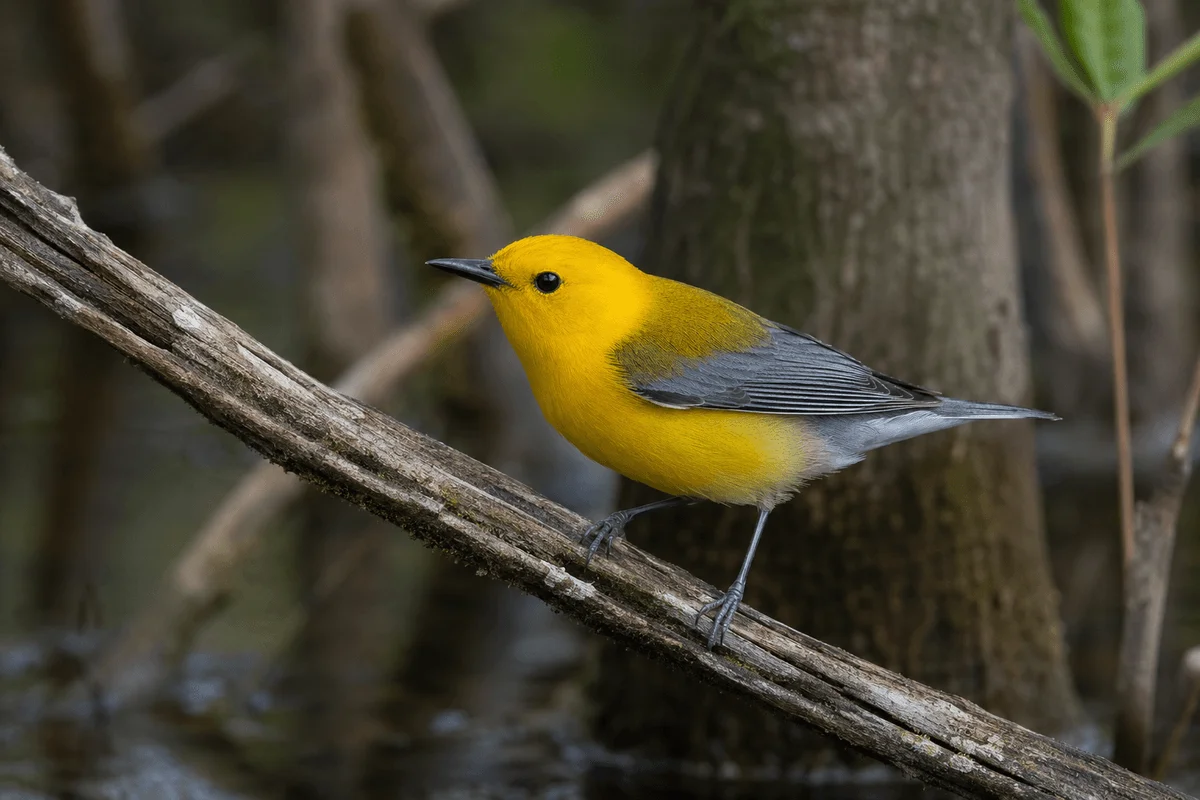
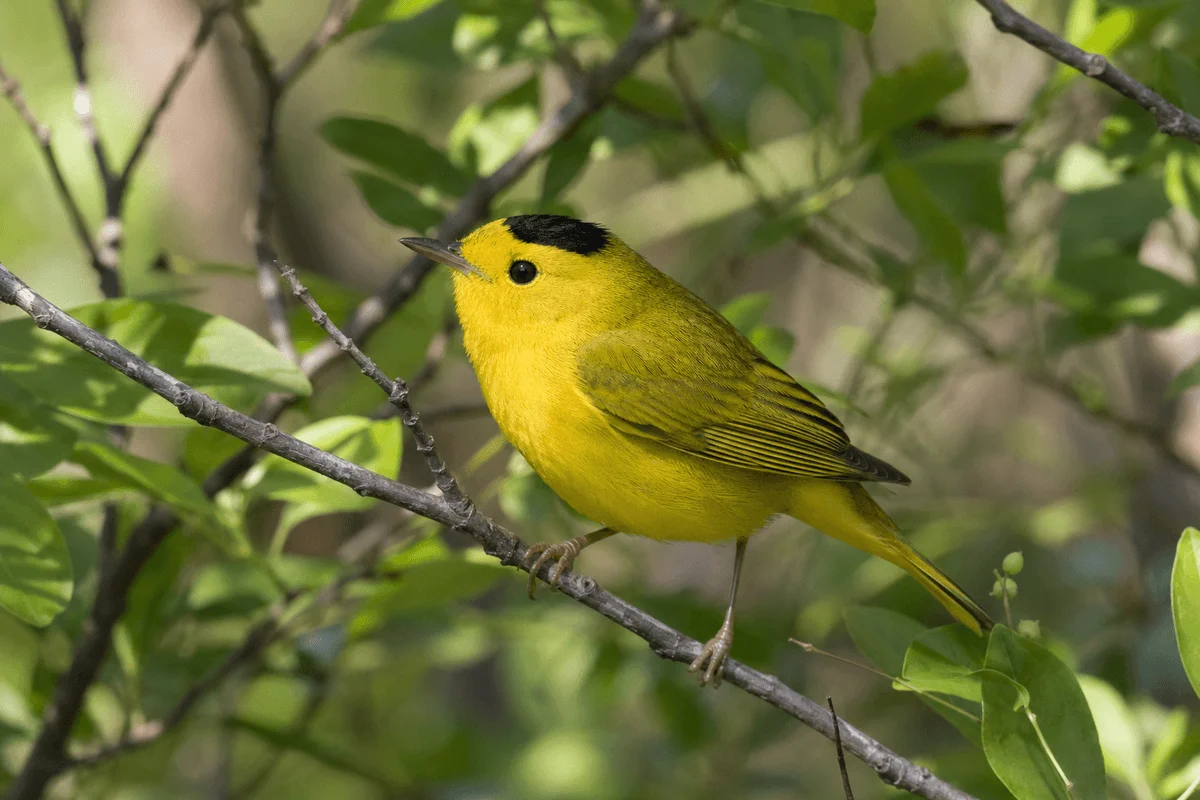
A major fallout at Connie Hagar in April can produce 30+ warbler species before 10am. Here’s what to look for.
Warblers
The heart of any fallout
Beyond Warblers
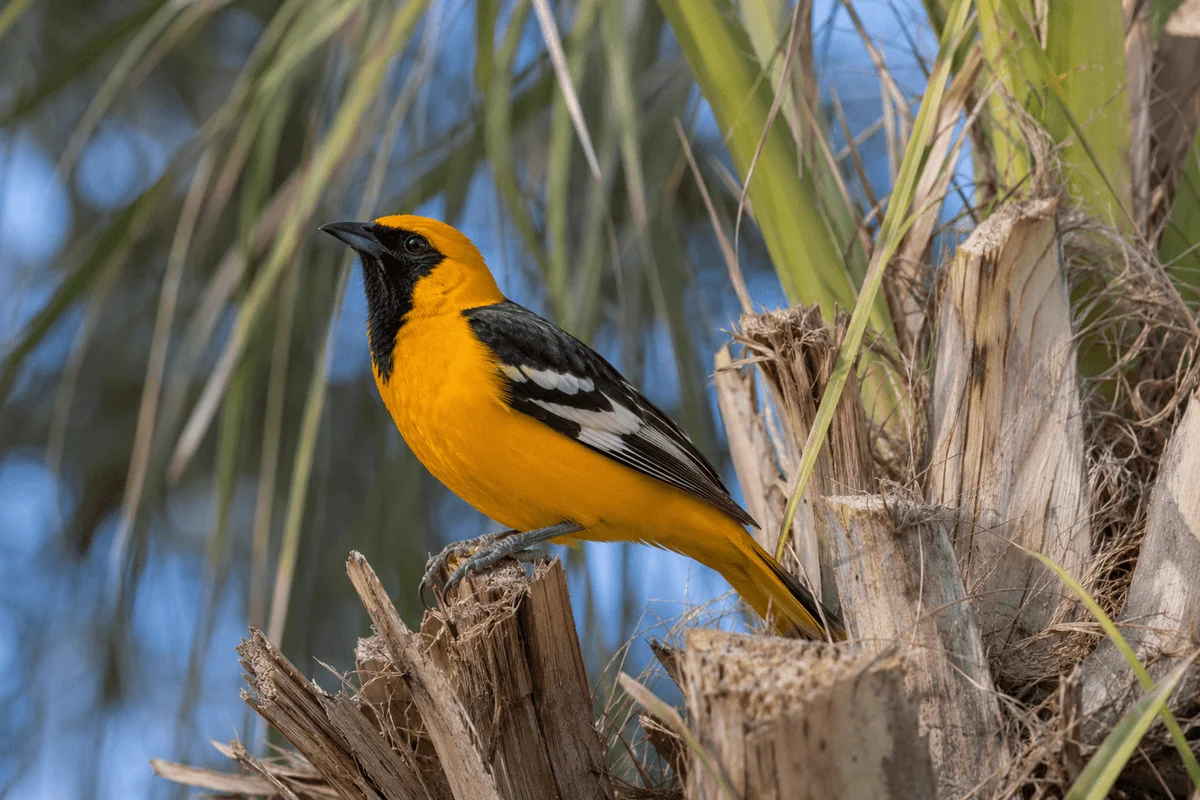
The supporting cast that stops traffic
Get Notified Before a Fallout
Our weekly Migration Alerts track eBird data for the Rockport area. When conditions align for a fallout, you’ll know before it happens.
Sign Up for Migration Alerts →Book a Local Guide
A local guide knows exactly which spots fill up first during a fallout and can read the morning conditions in real time. Worth every penny on a big fallout day.
Ask About Guided Tours →