Texas Coast · Gulf Prairies & Marshes · Backyard Feeders
Pink Birds of Texas
You spotted something pink. Now let’s figure out exactly what it was — and where you can see it again.
Explore with the Coastal Crew

Wait — What Did I Just See?
Something pink waded through the shallows. Or a rosy-red bird landed at your feeder. Or something enormous and coral-colored was standing in a coastal bay.
Texas has more than 650 species of birds. Most of them are not pink. The ones that are? Worth knowing by name — and worth planning a trip around.
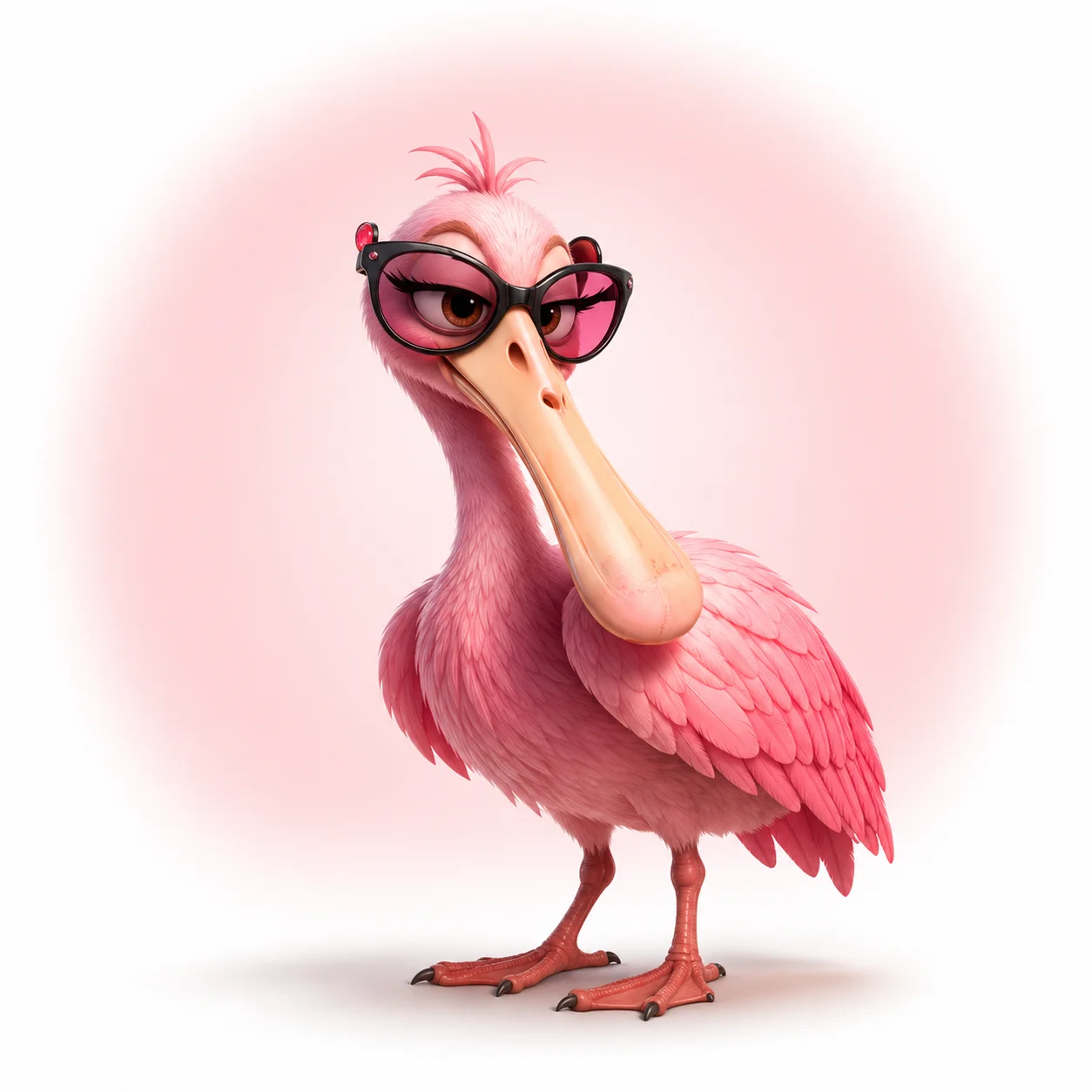
Roseate Spoonbill
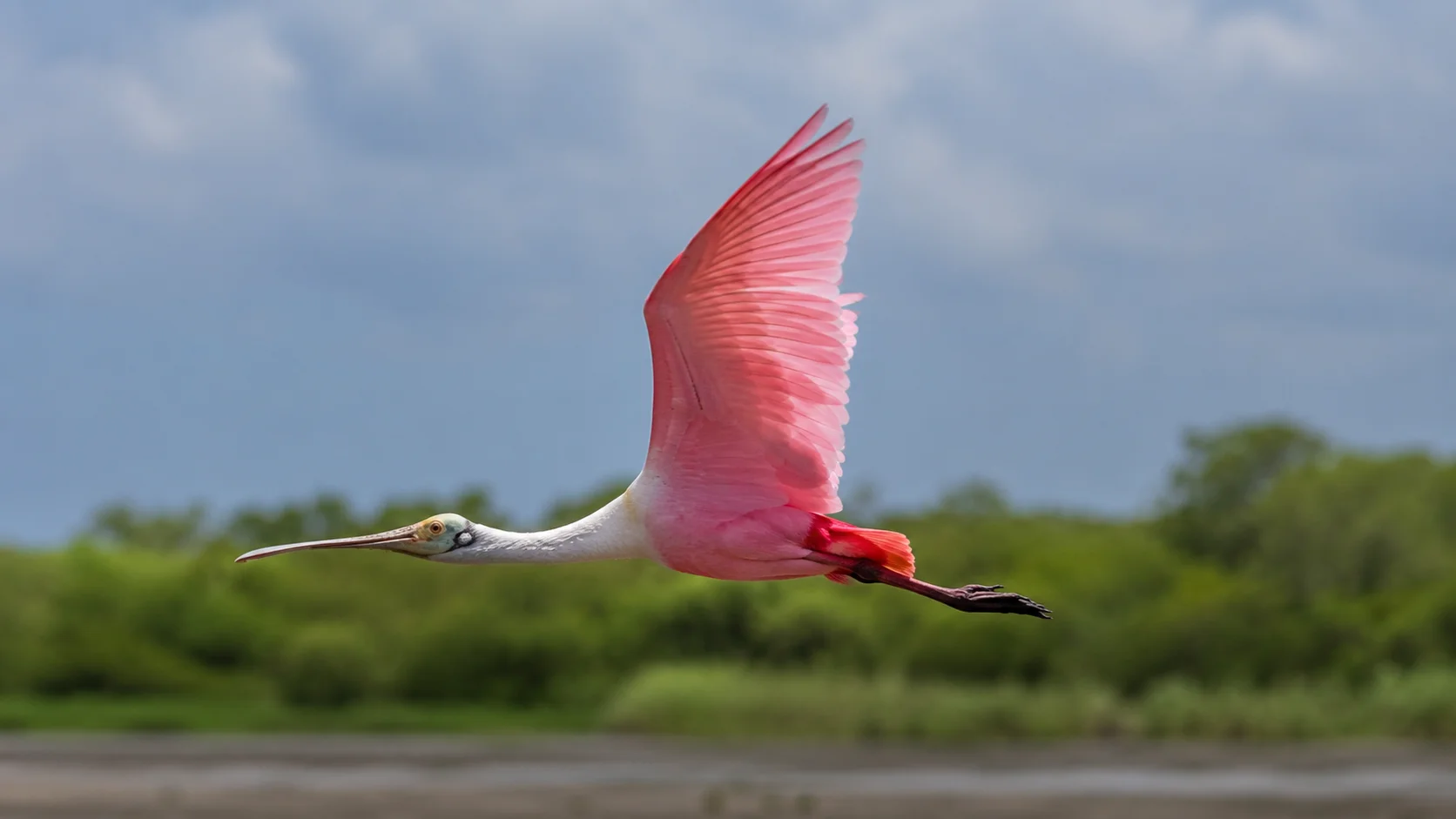
Platalea ajaja · Year-round Texas Coast
If you saw a large pink wading bird near the coast — this is almost certainly it. North America’s only native pink wading bird. The spoonbill gets its blazing color from the shrimp it eats — carotenoid pigments pass up the food chain and into its feathers. That flat, spatula-shaped bill? It sweeps side-to-side through the water to scoop up fish and crustaceans, one of the most distinctive feeding behaviors of any bird on the Gulf Coast.
Other Pink Birds You Might See in Texas
Beyond the spoonbill, a handful of other species show up in Texas with shades of pink, rose, and raspberry. None are as dramatic — but all are worth knowing.
House Finch
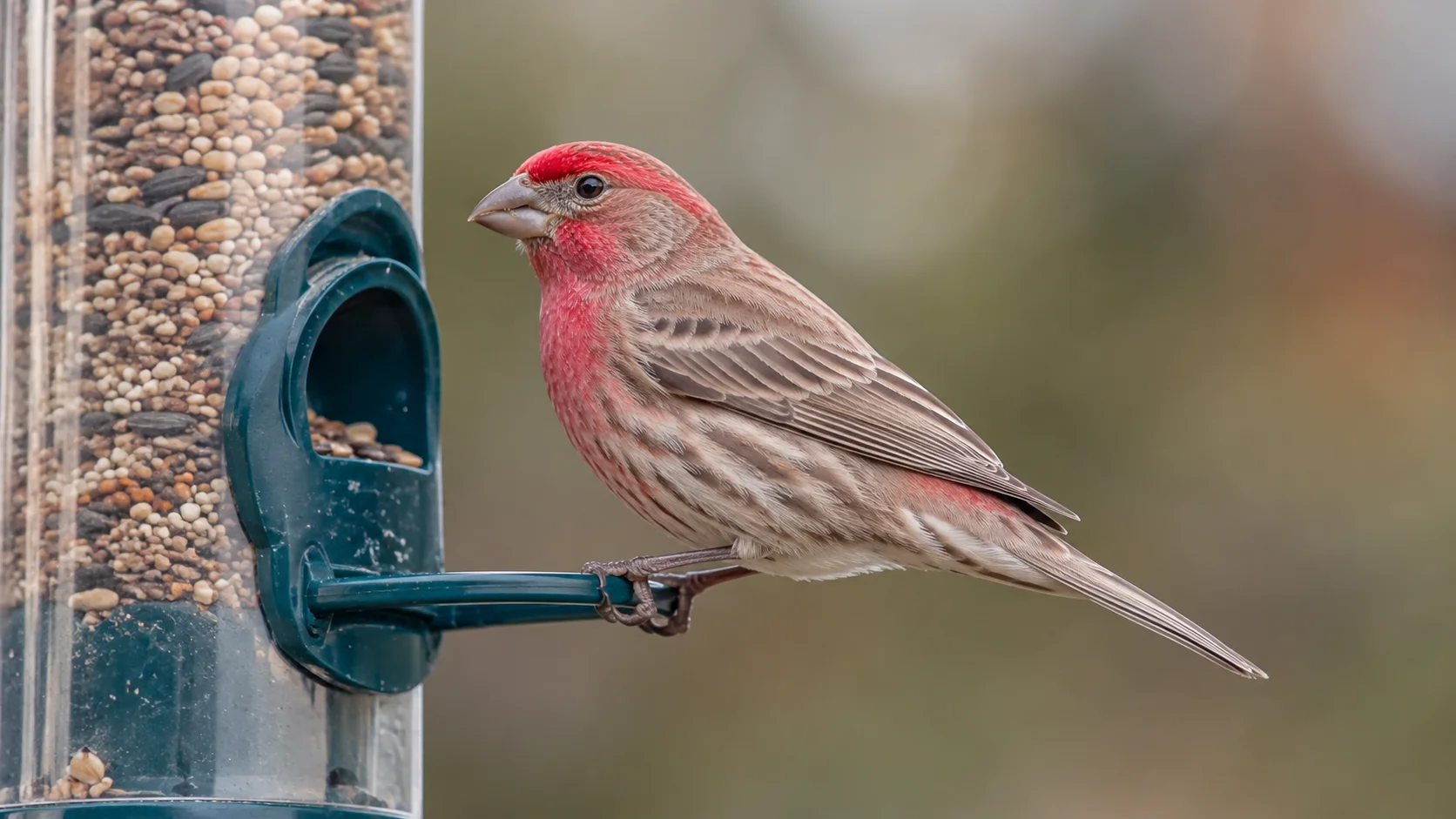
Haemorhous mexicanus
The most common pink bird in Texas backyards. Males have a raspberry wash on the head and chest; females are streaky brown. Easy to attract with a tube feeder.
Purple Finch
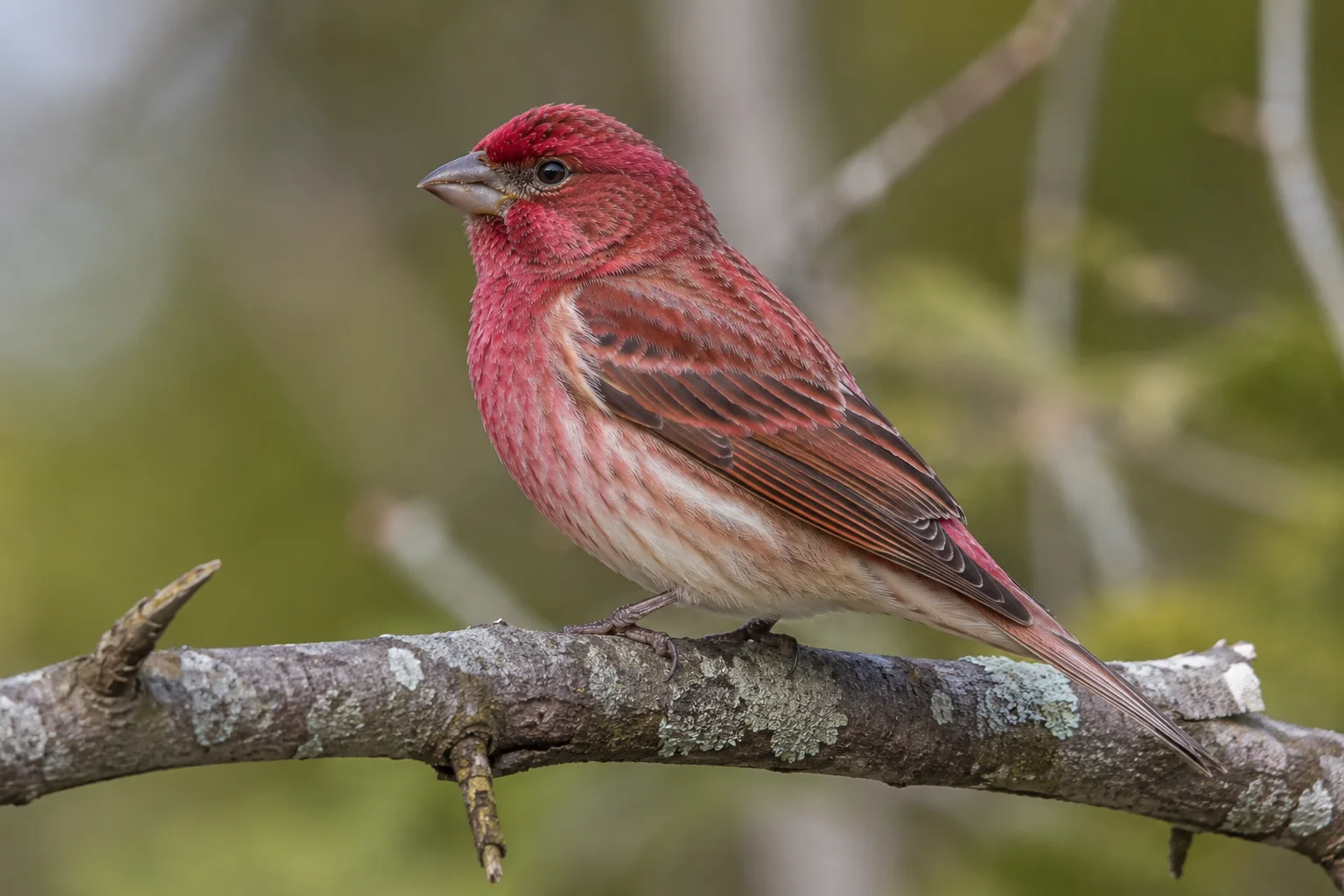
Haemorhous purpureus
Think of it as a House Finch that got dunked in raspberry jam — the pink is deeper and covers more of the body. Arrives in fall and departs in spring. Easy to confuse with House Finch; the Purple Finch has a more streaked face and notched tail.
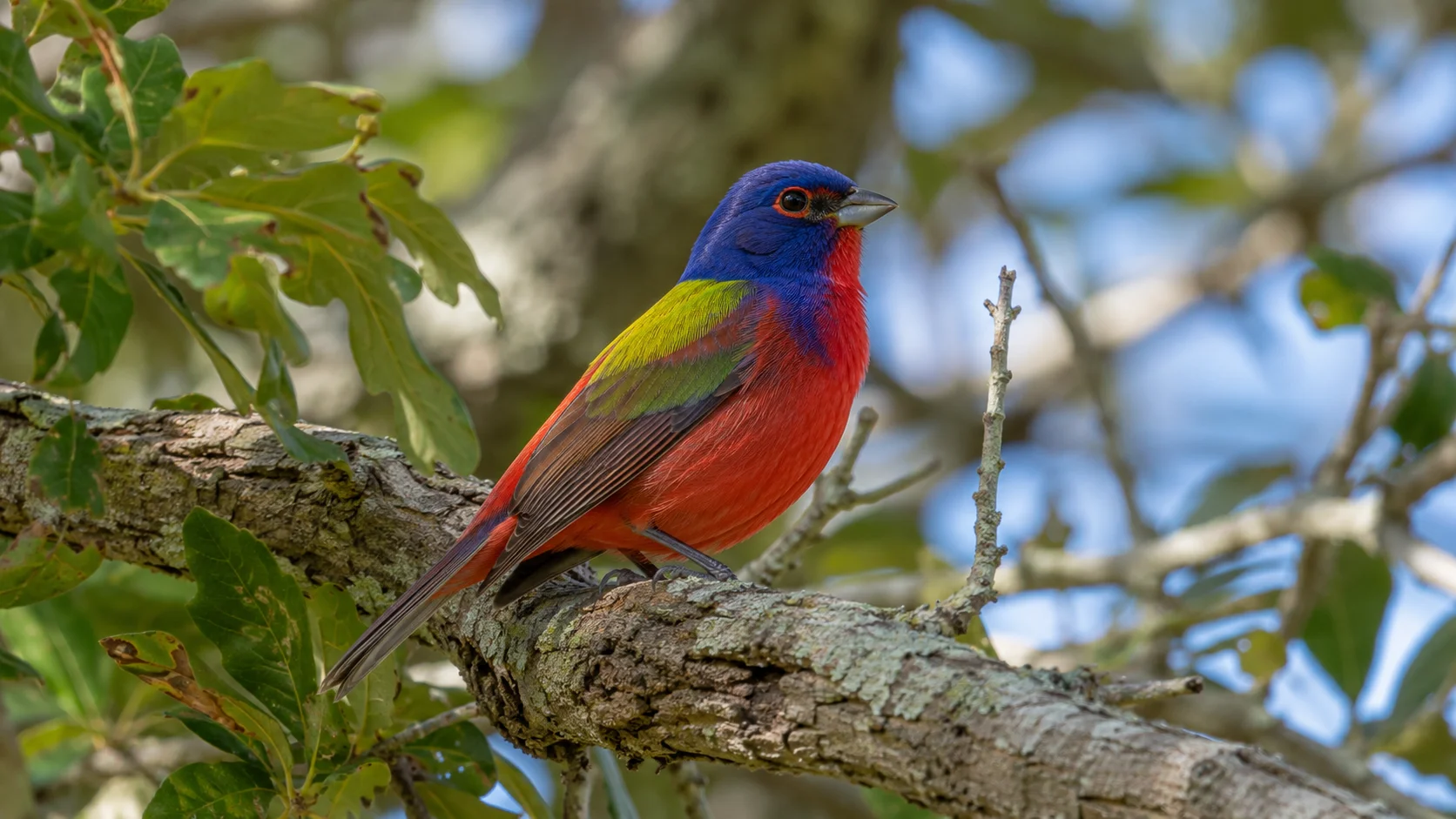
Painted Bunting
Passerina ciris
Technically the breast is a vivid rose-red rather than pure pink — but no list of Texas's colorful birds is complete without it. Many birders consider this North America's most beautiful bird. Combine the red chest, blue head, and green back and you understand why.
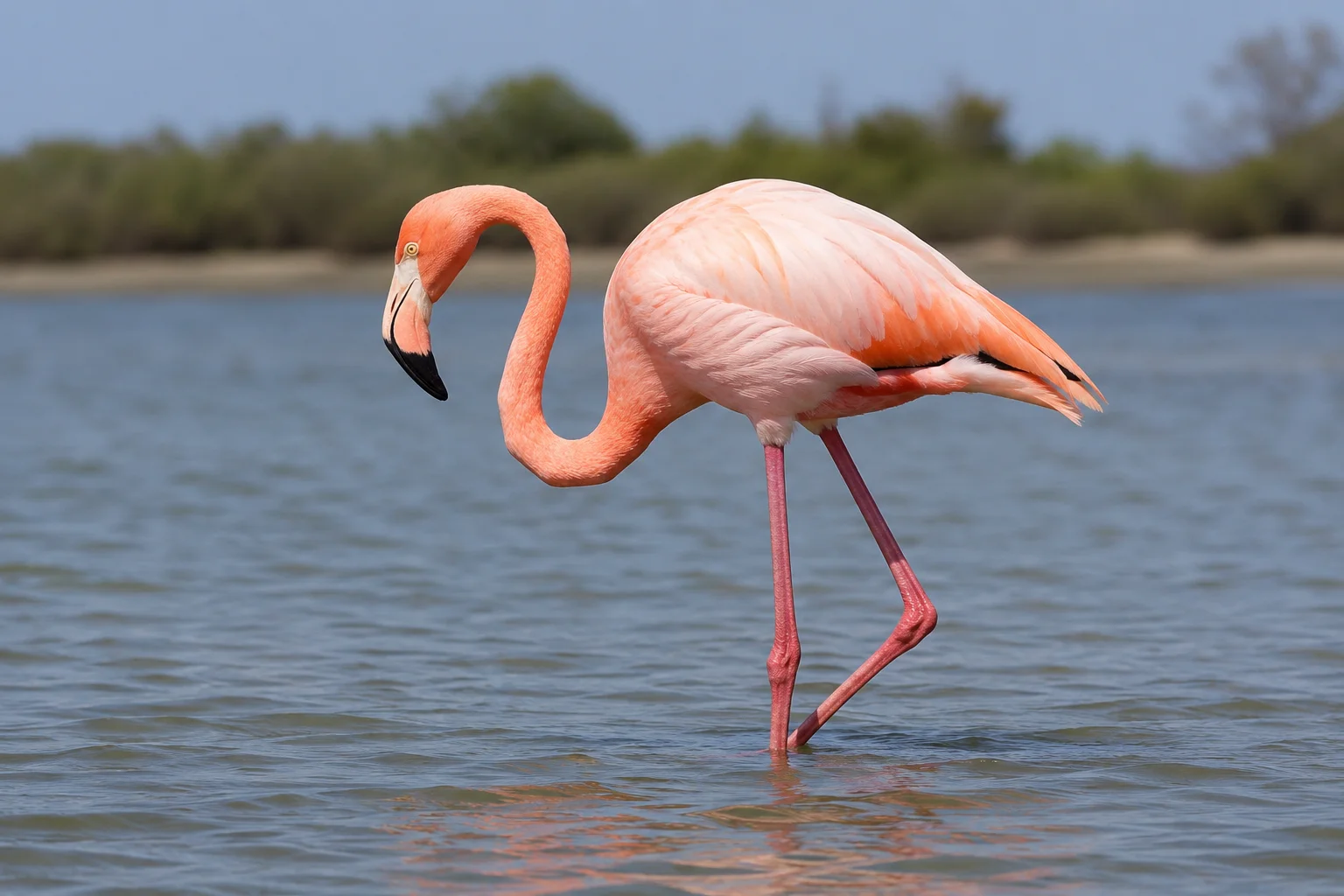
American Flamingo
Phoenicopterus ruber
Now officially a countable wild bird (ABA ruling, 2023). Hurricane Idalia scattered flamingos across Gulf states including Texas; confirmed sightings followed. Not something you can plan a trip around — but real, wild flamingos have been documented on the Texas Coast.
The Quick Answer: What Did I See?
❓ Large pink bird wading in a bay or marsh?
→ Roseate Spoonbill — look for the flat spoon-shaped bill as confirmation.
❓ Small pink bird at my backyard feeder?
→ Almost certainly a male House Finch — rosy head and breast, streaky wings.
❓ Pink feeder bird in winter, chunkier than a House Finch?
→ Purple Finch — deeper raspberry wash across the whole head and chest.
❓ Tiny bird with red-rose breast, blue head, and green back?
→ Painted Bunting — technically more red than pink, but the most beautiful bird in North America. Technically an honorary member of this list.
❓ Enormous pink bird, flamingo-sized, standing in a coastal bay?
→ Could be an American Flamingo — rare but now a legitimate wild sighting. Confirmed wild flamingos in Texas since Hurricane Idalia (2023).
Where to See Pink Birds on the Texas Coast
The Rockport and Aransas Bay area is the best place in the country to see Roseate Spoonbills up close. Year-round populations live in the marshes of Aransas National Wildlife Refuge, and spoonbills regularly feed along the Rockport waterfront, at Goose Island State Park, and wherever shallow tidal flats concentrate fish and shrimp.
House Finches and Purple Finches are feeder birds — set up a tube feeder in any Texas yard and you’re in business. For Painted Buntings, look for brushy areas and live oak thickets during spring and fall migration.
Early morning is prime time for spoonbills. Catch them in the golden hour and they glow like something that shouldn’t exist outside a painting.
The Texas Coast Is the Pink Bird Capital of North America
Nowhere else in the country can you reliably spot a Roseate Spoonbill from a public beach. Plan your trip around Rockport and that changes.